MSI Gaming GP76 10UG-014CA Leopard RAM upgrade specifications
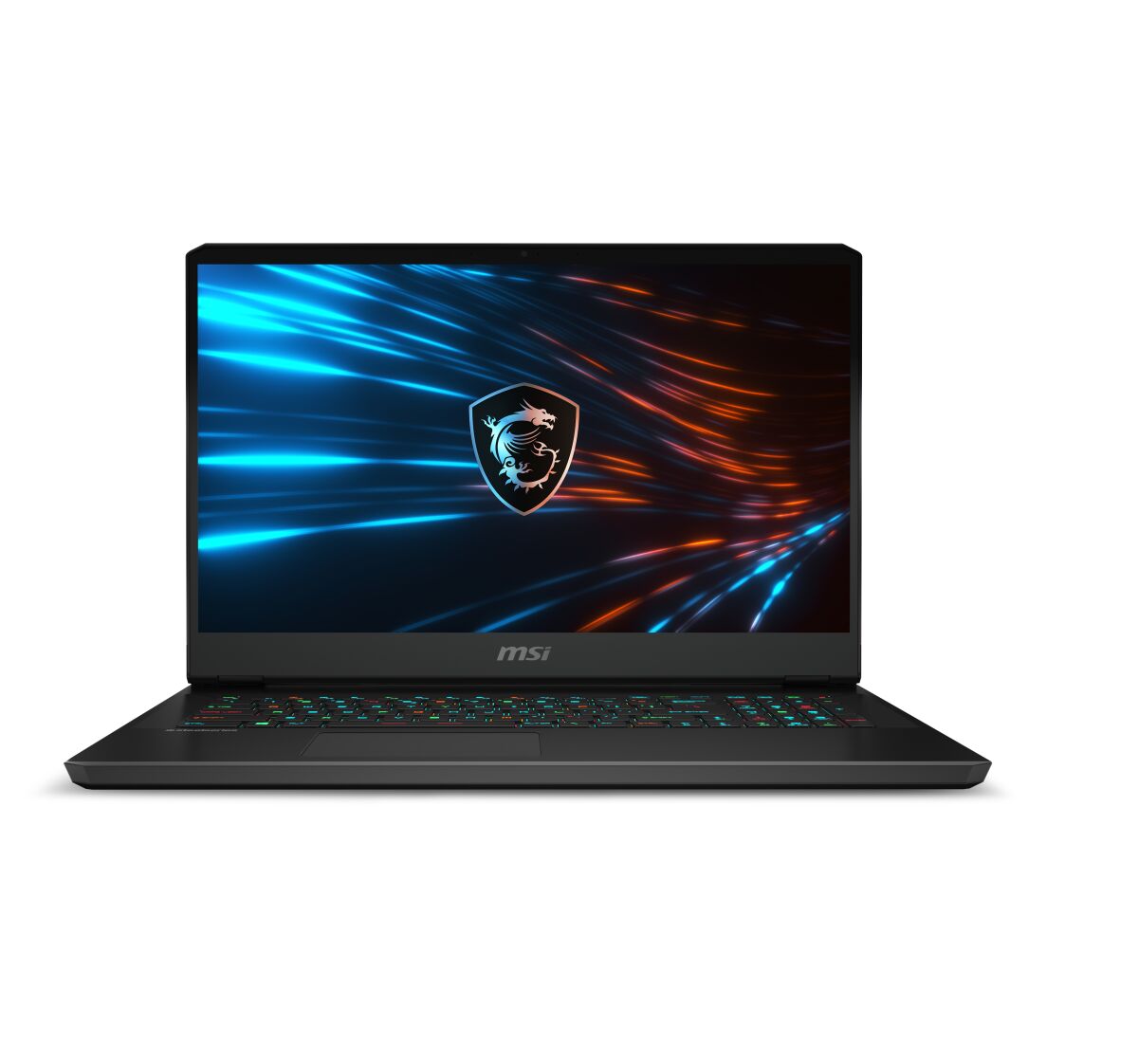
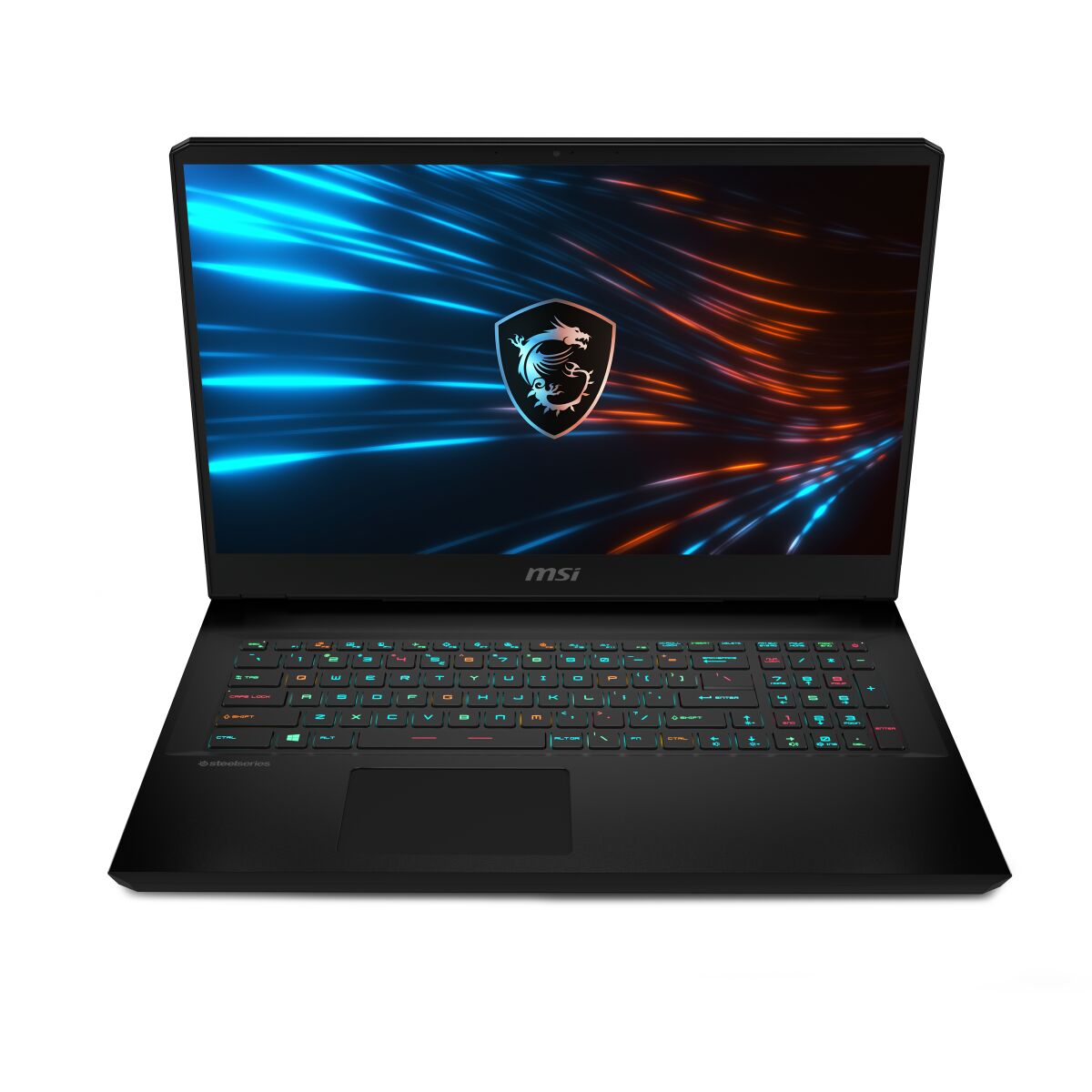
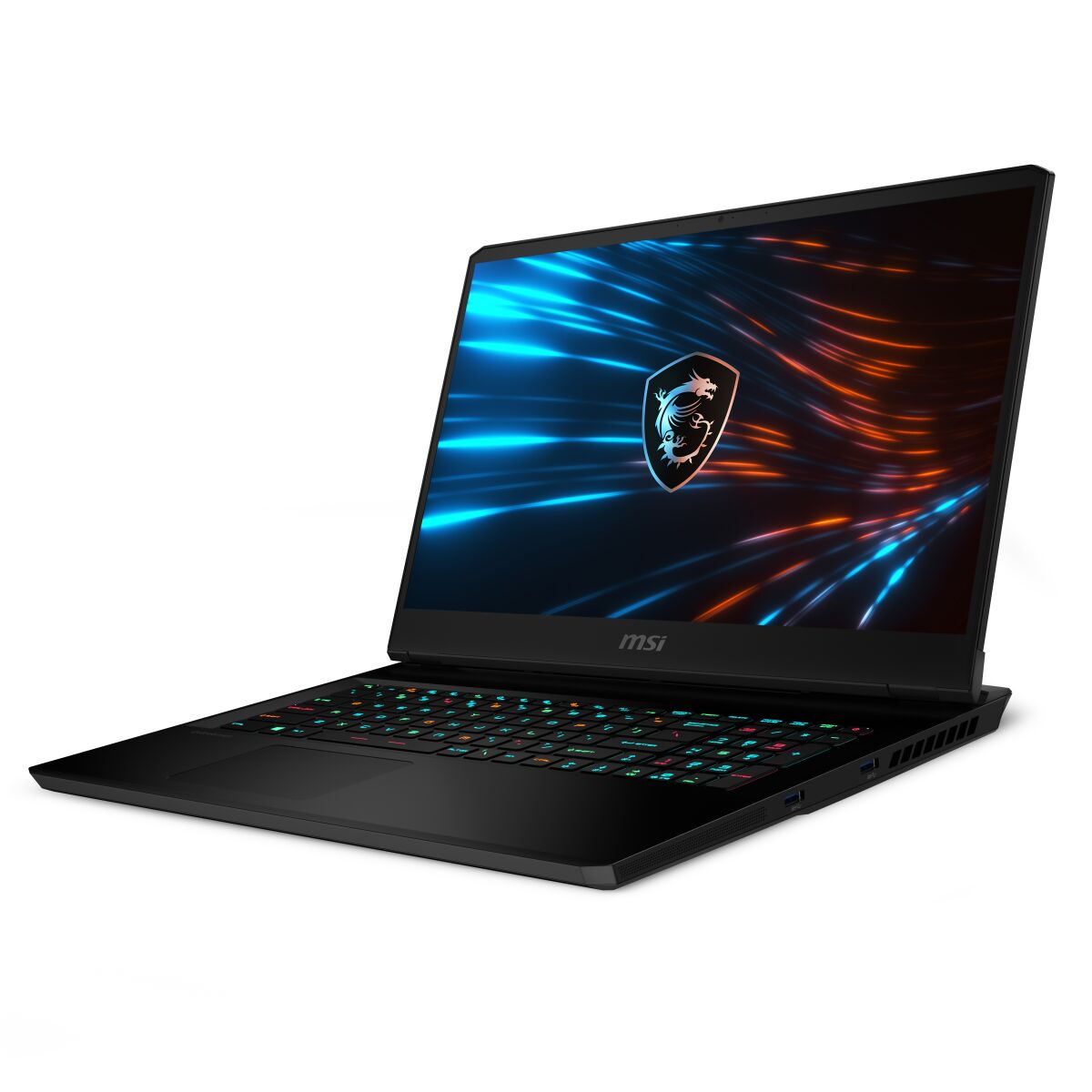
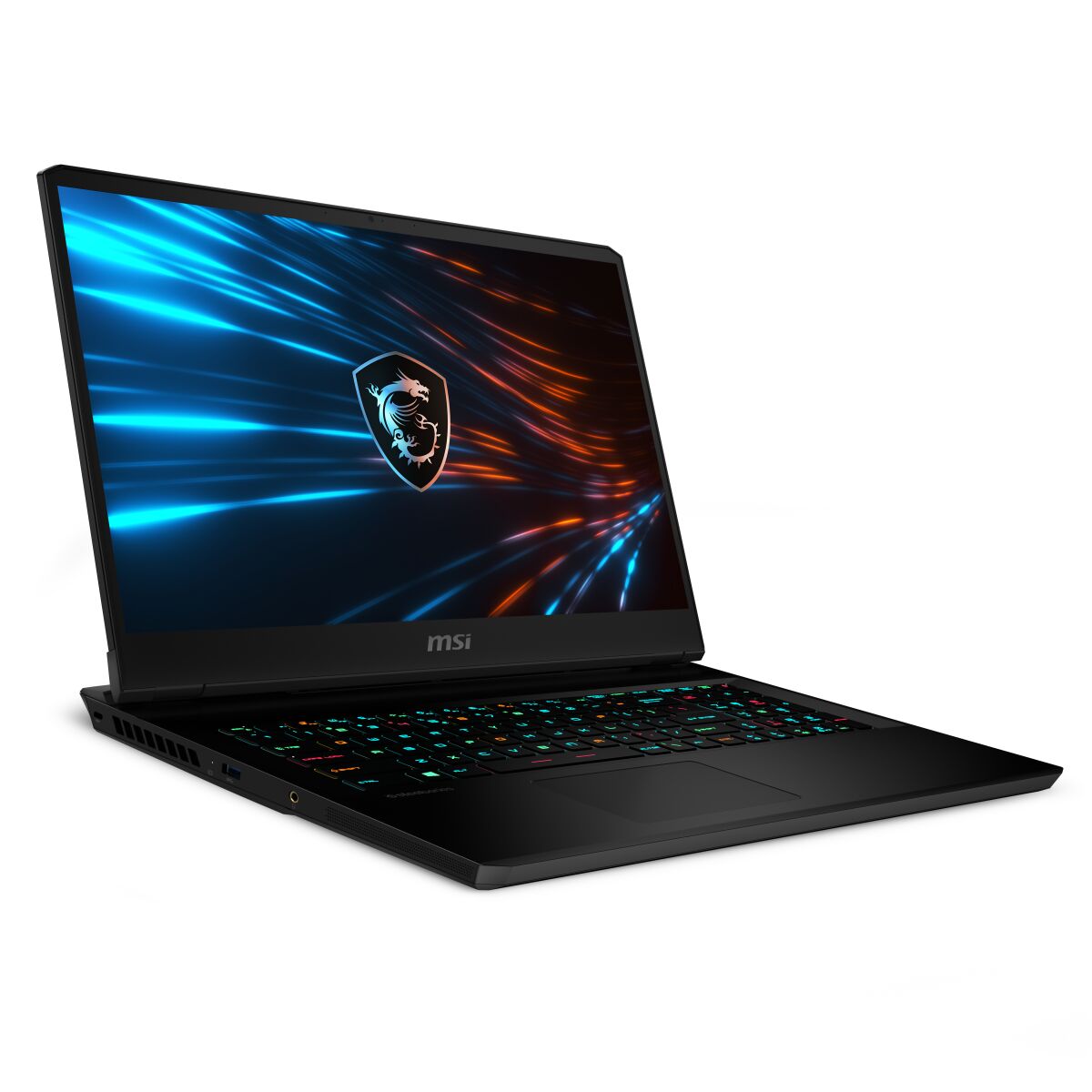
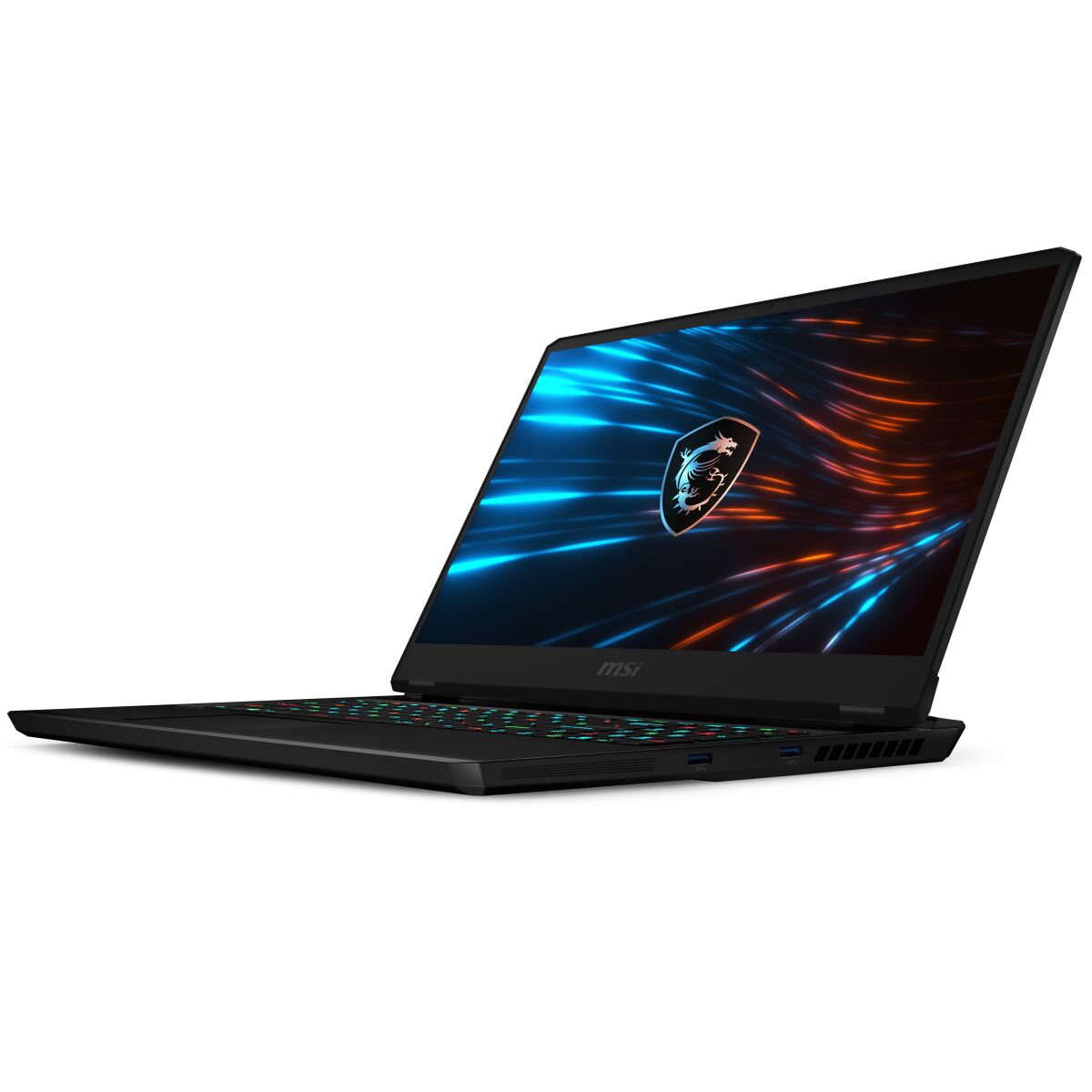
The MSI GP76 10UG-014CA Leopard gaming laptop features DDR4-SDRAM memory upgrade capabilities with two SO-DIMM slots supporting maximum capacity of 64 GB. Compatible memory operates at 3200 MHz frequency. The GP series gaming model accommodates DDR4 SO-DIMM form factor modules for RAM expansion and system memory upgrades. Specifications indicate dual-slot configuration enabling users to upgrade laptop memory to supported maximum specifications.
Memory Upgrade Specifications
| Specification | Value |
|---|---|
| Memory slots | 2x SO-DIMM |
| Form factor | SO-DIMM |
| Memory type | DDR4-SDRAM |
| Frequency | 3200 MHz |
| Maximum RAM | 64 GB |
| Voltage | 1.2V |
| Number of pins | 260-pin |
| Interface | PC4 |
| PC Speed Rating | PC4-3200 (PC4-25600) |
| Bandwidth | 25.6 GB/s |
| Laptop Release date | 30 January 2021 |
Additional Notes
- The MSI GP76 10UG-014CA Leopard supports dual-channel memory architecture through its 2 SO-DIMM slots, enabling theoretical bandwidth of 51.2 GB/s when both slots contain matched modules.
- Upgrading to the 64 GB maximum capacity requires 32 GB modules in each slot, which may involve higher latency timings than smaller capacity modules at the same frequency.
- Single-channel operation occurs when only 1 slot is populated, reducing memory bandwidth by approximately 50% and potentially creating performance bottlenecks in GPU-intensive tasks.
- Accessing both SO-DIMM slots typically requires complete bottom panel removal, as gaming laptops frequently position 1 or both slots beneath the motherboard.
- Mixing modules with different speeds, capacities, or manufacturers may force the system to operate all memory at the lowest common frequency and timings.
- The 3200 MHz specification represents JEDEC or XMP compatibility, though actual operating frequency depends on Intel 10th generation processor memory controller capabilities.
- Desktop DDR4 DIMMs are physically incompatible with SO-DIMM slots despite identical voltage and generation specifications.
- Memory upgrades performed without authorized service centers may affect warranty coverage depending on regional consumer protection laws and manufacturer policies.
- Non-ECC unbuffered modules are required, as standard gaming platforms lack support for error-correcting code memory.
- CAS latency values between CL19 and CL22 are common at 3200 MHz, with lower values providing marginal performance improvements in latency-sensitive applications.