MSI Gaming GP76 10UG-219IT Leopard RAM upgrade specifications
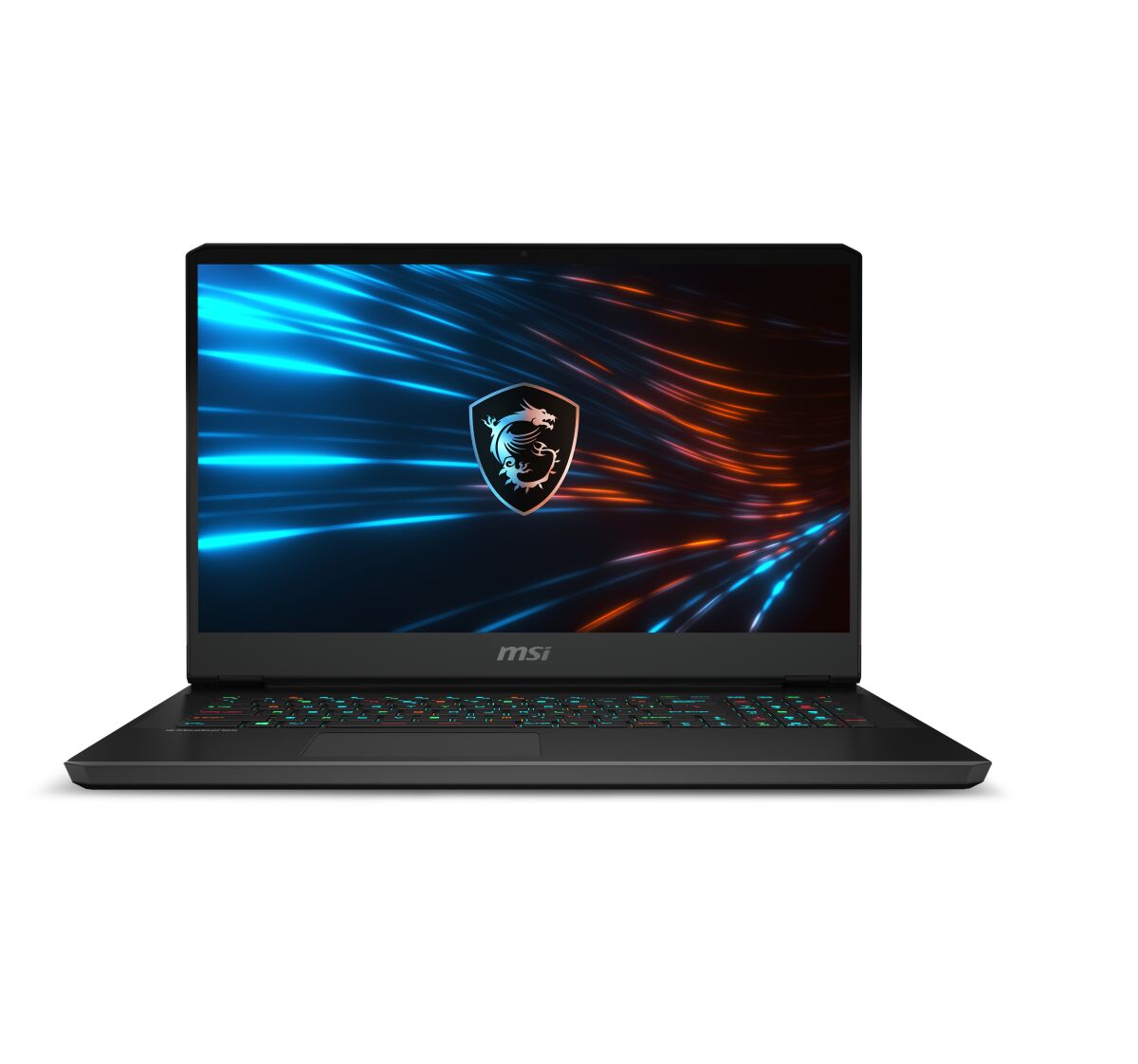
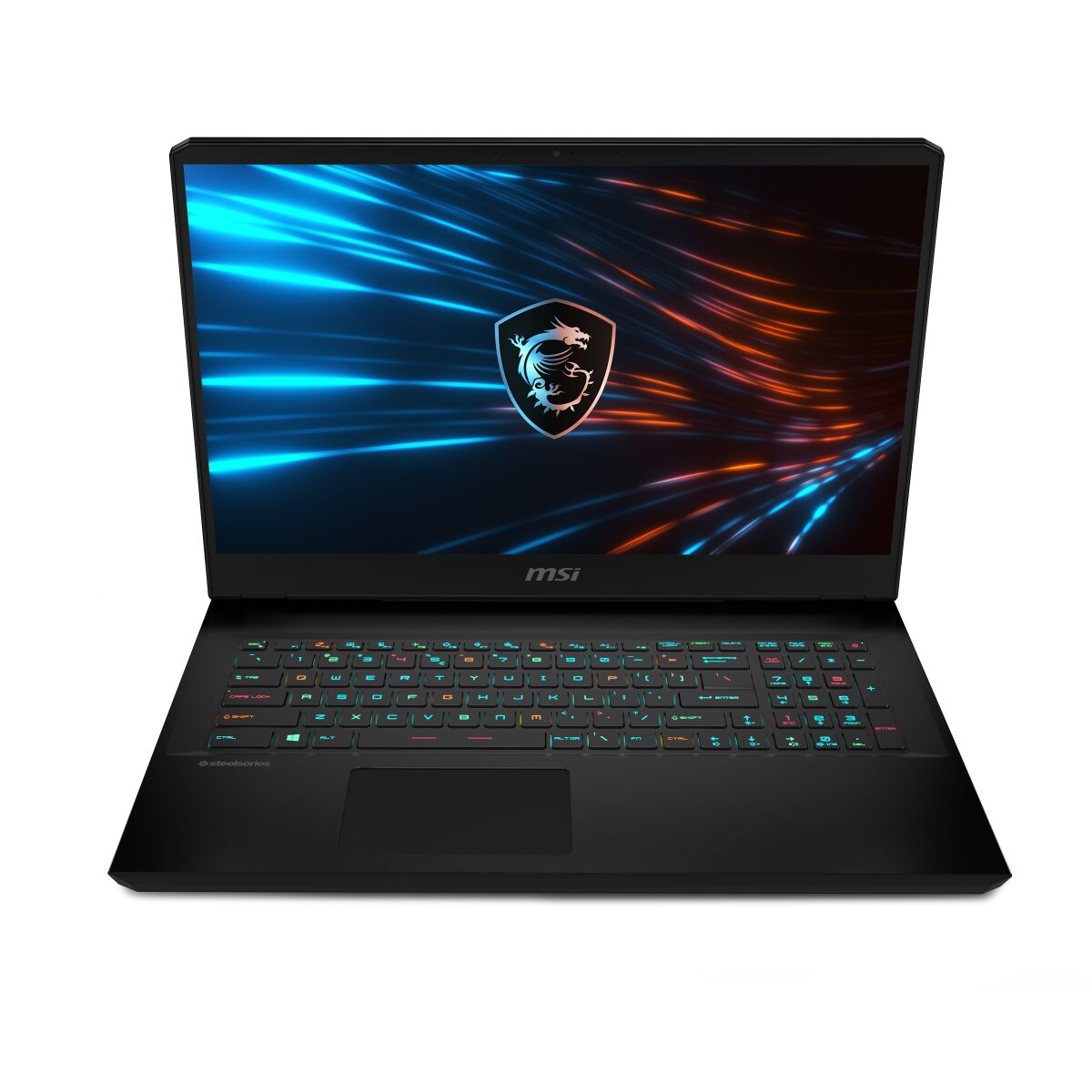
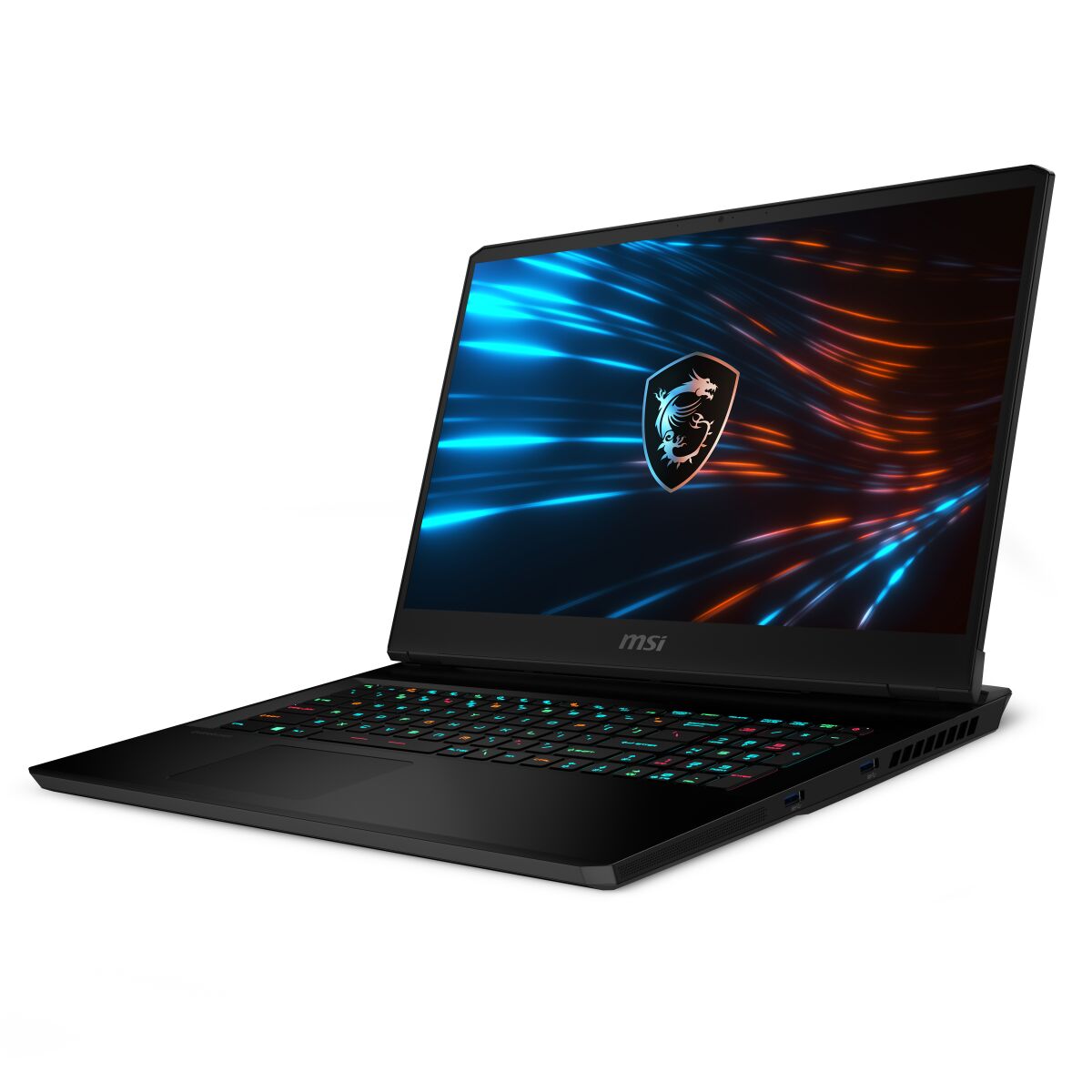
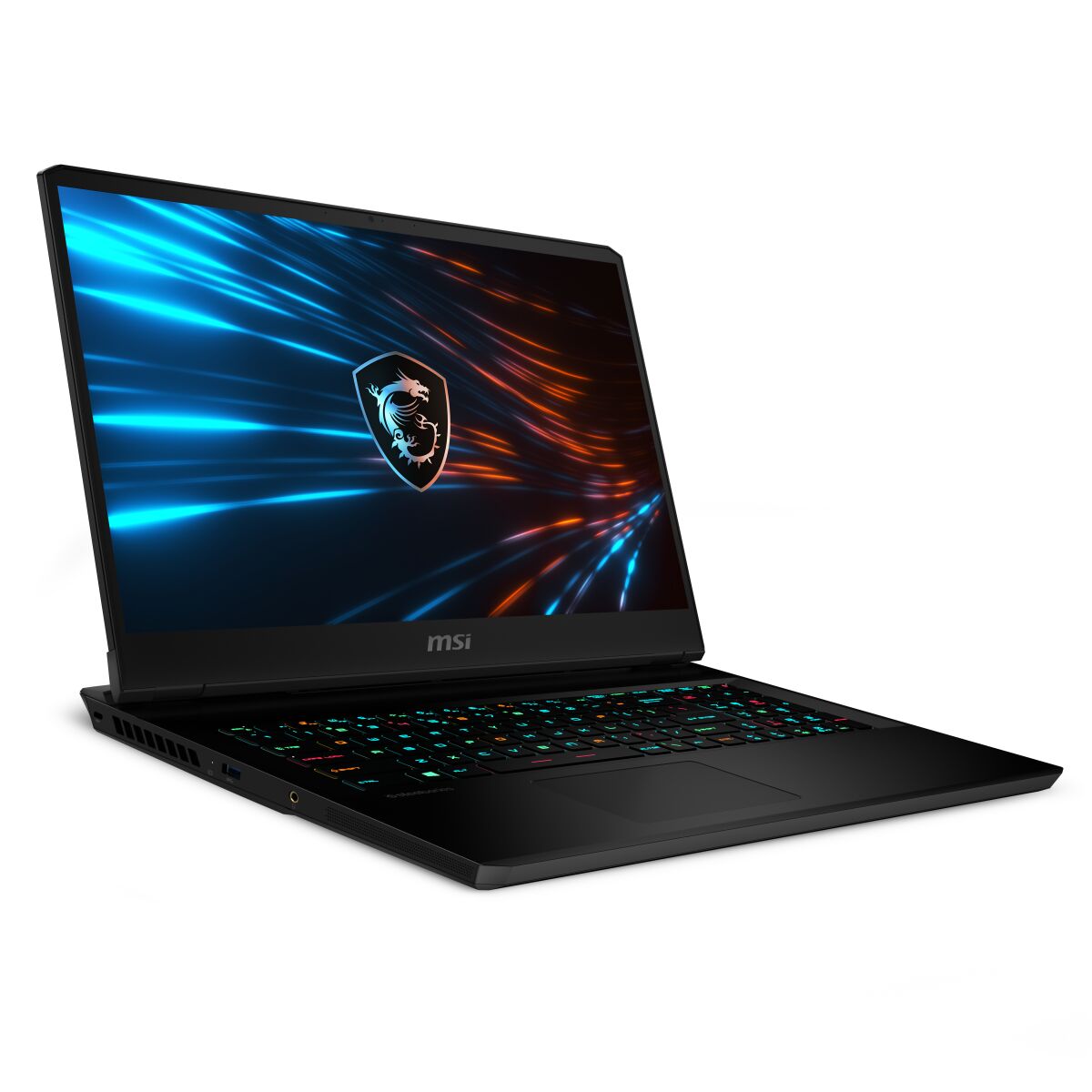
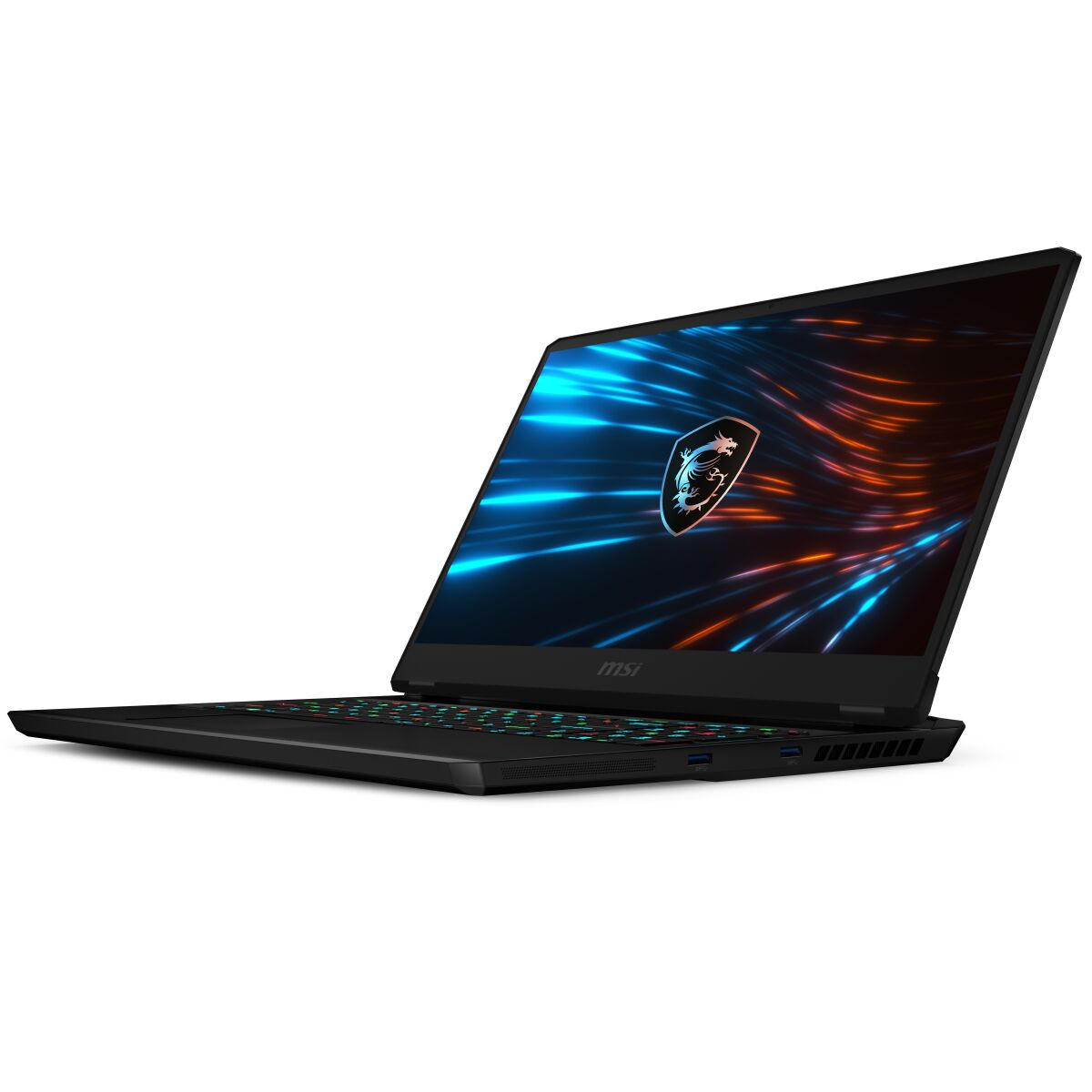
The MSI GP76 10UG-219IT Leopard gaming laptop features DDR4-SDRAM memory upgrade specifications with two SO-DIMM slots supporting a maximum RAM capacity of 64 GB. Compatible memory modules operate at 3200 MHz frequency. The Leopard series from MSI's GP gaming family accommodates SO-DIMM form factor upgrades, enabling users to expand memory capacity for enhanced multitasking and performance optimization in gaming and professional applications.
Memory Upgrade Specifications
| Specification | Value |
|---|---|
| Memory slots | 2x SO-DIMM |
| Form factor | SO-DIMM |
| Memory type | DDR4-SDRAM |
| Frequency | 3200 MHz |
| Maximum RAM | 64 GB |
| Voltage | 1.2V |
| Number of pins | 260-pin |
| Interface | PC4 |
| PC Speed Rating | PC4-3200 (PC4-25600) |
| Bandwidth | 25.6 GB/s |
| Laptop Release date | 29 March 2021 |
Additional Notes
- The MSI GP76 10UG-219IT Leopard accepts DDR4 modules operating at 3200 MHz, which represents the JEDEC standard speed for this generation and ensures compatibility with Intel 10th generation mobile processors without requiring XMP profiles.
- The 64 GB maximum capacity indicates chipset support for high-density 32 GB modules per slot, allowing dual-channel configuration with matched pairs for optimal memory bandwidth.
- SO-DIMM form factor requires modules approximately 67.6 mm in length, distinguishing them from desktop DIMM counterparts and limiting module availability to laptop-specific inventory.
- Dual-slot configuration enables memory channel interleaving when populated with matched pairs, theoretically doubling bandwidth to 51.2 GB/s compared to single-channel operation.
- DDR4-3200 operates at 1.2 volts standard specification, reducing thermal output compared to DDR3 predecessors while maintaining compatibility with mobile platform power budgets.
- The absence of ECC support in standard consumer DDR4-SDRAM means single-bit errors remain uncorrected, typical for gaming-oriented platforms prioritizing cost over server-grade reliability.
- Mismatched module capacities or speeds trigger automatic downclocking to the lowest common denominator, potentially underutilizing faster modules if mixed with slower inventory.
- CAS latency specifications, though not listed, typically range from CL19 to CL22 at 3200 MHz for consumer modules, with lower values offering marginal performance gains in latency-sensitive applications.
- Accessing memory slots typically requires bottom panel removal and warranty seal evaluation, as most gaming laptops position SO-DIMM slots beneath the chassis rather than through dedicated access doors.
- Heat spreader height on aftermarket modules must not exceed SO-DIMM standardized clearance, as gaming laptop chassis allocate minimal vertical space between memory slots and thermal management components.
- Dual-rank modules provide superior performance in memory-intensive workloads compared to single-rank equivalents, though availability decreases significantly above 16 GB capacity per module.
- The platform supports asymmetric configurations such as 48 GB total (16 GB + 32 GB), though matched pairs remain preferable for maintaining dual-channel bandwidth across the entire address space.