MSI Gaming GP76 11UG-424UK Leopard RAM upgrade specifications


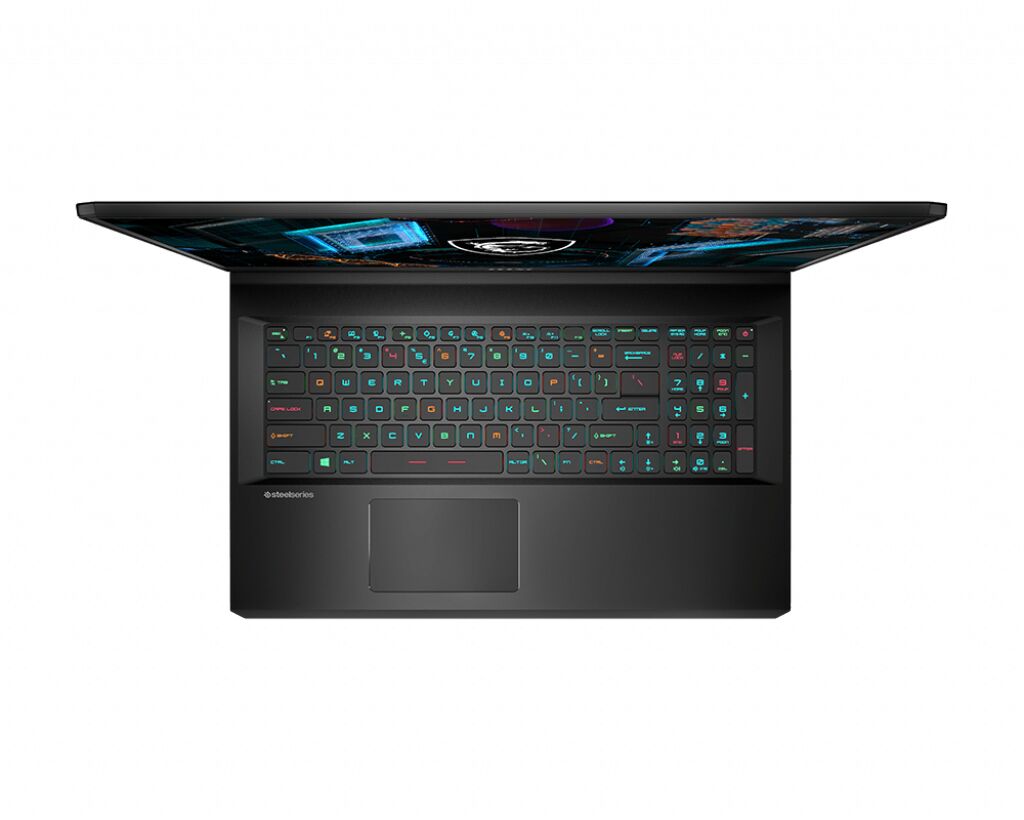
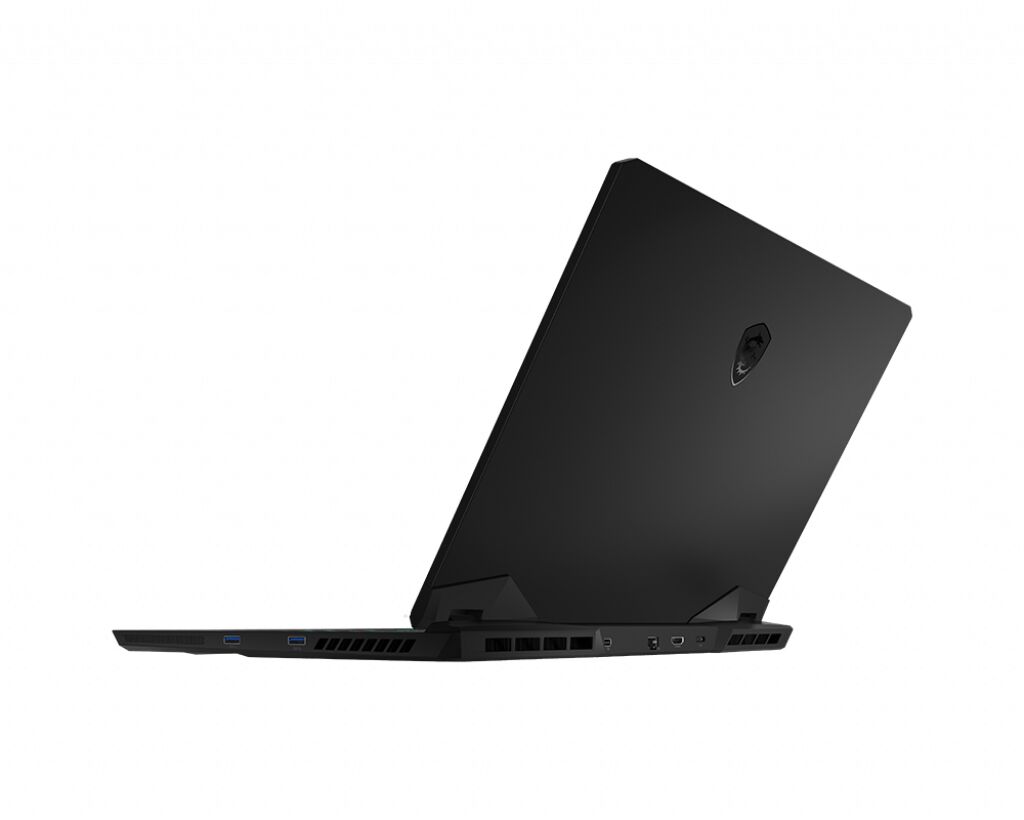
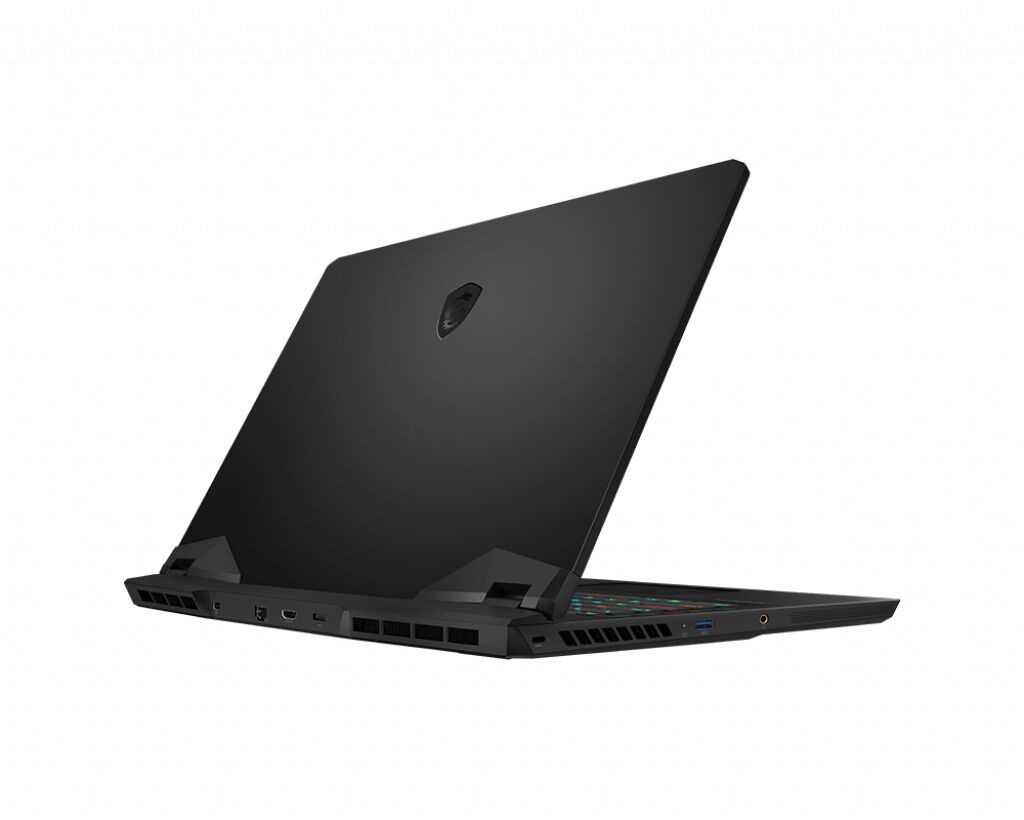
MSI GP76 11UG-424UK Leopard gaming laptop supports DDR4-SDRAM memory upgrades with 2x SO-DIMM slots. Maximum RAM capacity reaches 64 GB total. Compatible memory modules operate at 3200 MHz frequency. SO-DIMM form factor specifications ensure proper compatibility with upgrade components. Current memory configuration and maximum capacity enable RAM expansion for enhanced system performance and multitasking capabilities.
Memory Upgrade Specifications
| Specification | Value |
|---|---|
| Memory slots | 2x SO-DIMM |
| Form factor | SO-DIMM |
| Memory type | DDR4-SDRAM |
| Frequency | 3200 MHz |
| Maximum RAM | 64 GB |
| Voltage | 1.2V |
| Number of pins | 260-pin |
| Interface | PC4 |
| PC Speed Rating | PC4-3200 (PC4-25600) |
| Bandwidth | 25.6 GB/s |
| Laptop Release date | 11 November 2021 |
Additional Notes
- The dual channel configuration requirement necessitates installing modules in matched pairs to avoid significant memory bandwidth bottlenecks during high refresh rate gaming.
- The MSI GP76 11UG-424UK Leopard utilizes a standard voltage architecture which limits compatibility with low voltage LPDDR4 modules often found in thinner ultrabooks.
- Accessing the internal SO-DIMM slots requires the removal of the entire base panel which involves navigating plastic clips and potentially piercing a factory seal sticker depending on regional warranty policies.
- Populating the maximum 64 GB capacity provides the necessary headroom for professional video editing and virtual machine hosting without relying on slower disk based paging files.
- The 3200 MHz frequency ceiling indicates that installing higher rated modules will result in an automatic downclocking to match the motherboard firmware limitations.
- Physical space within the 2 slots prohibits the use of oversized heat spreaders on memory modules due to tight clearance between the motherboard and the bottom chassis plate.
- Latency timings should be matched across both occupied slots to prevent the system from defaulting to the slowest Common Denominator profile and reducing overall throughput.