MSI Gaming GP76 11UH-1013PL Leopard RAM upgrade specifications
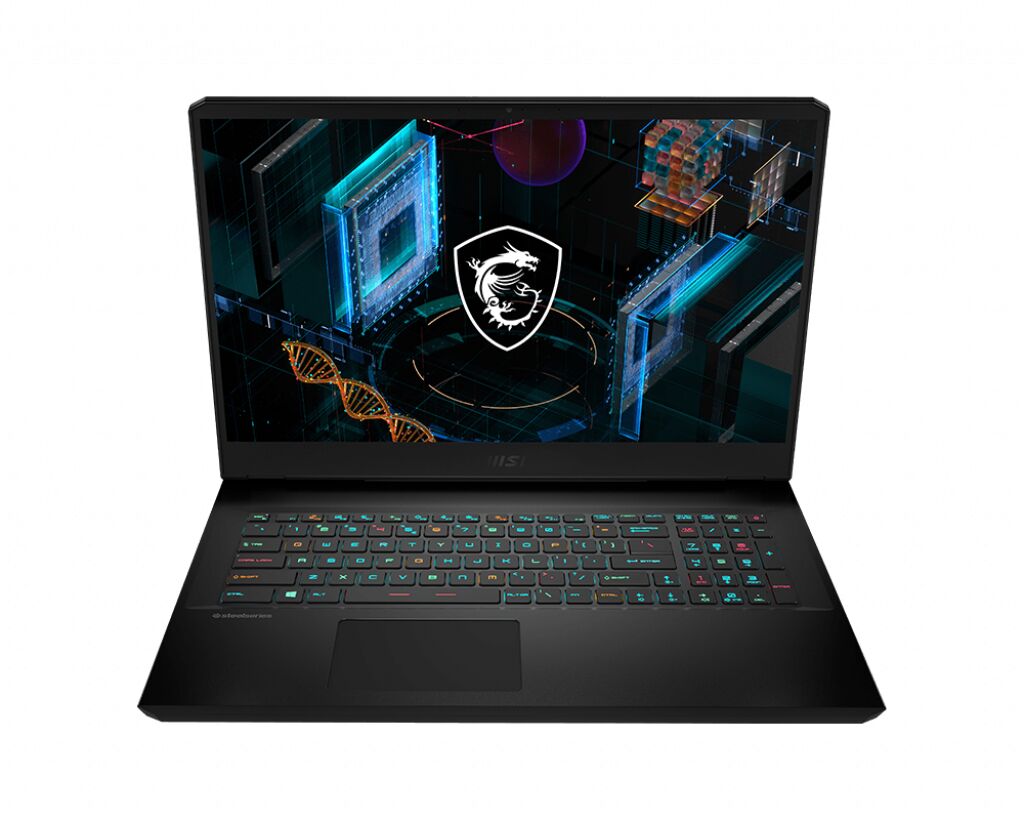
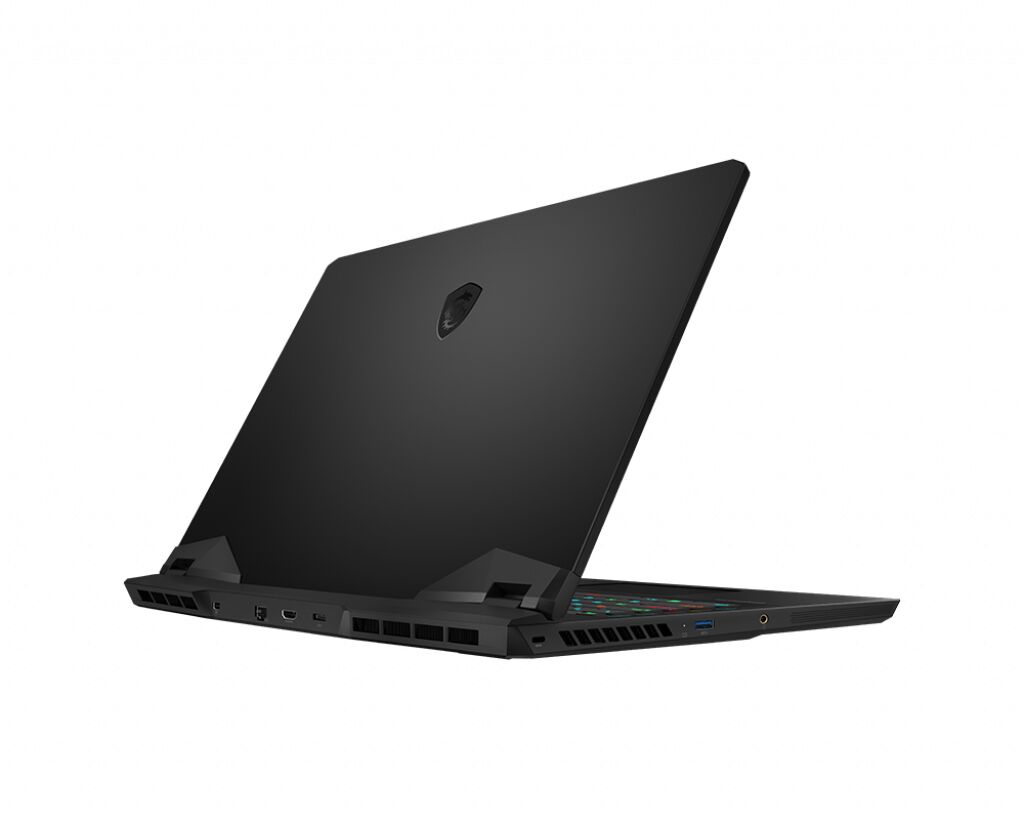
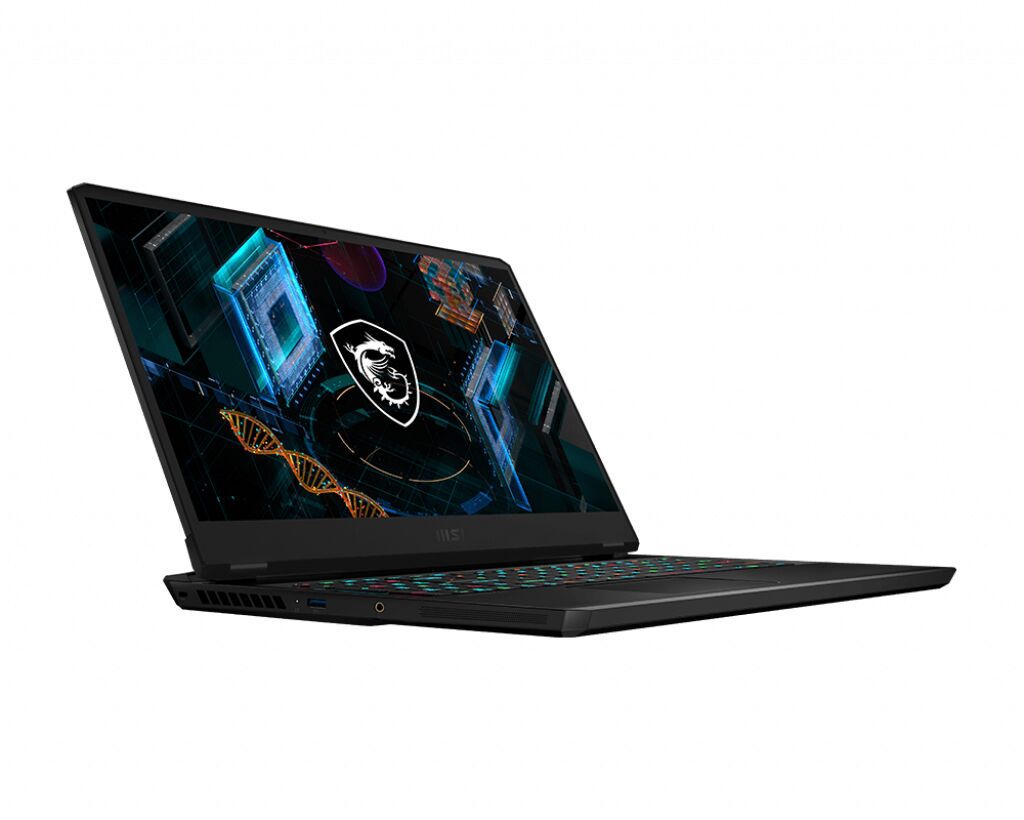
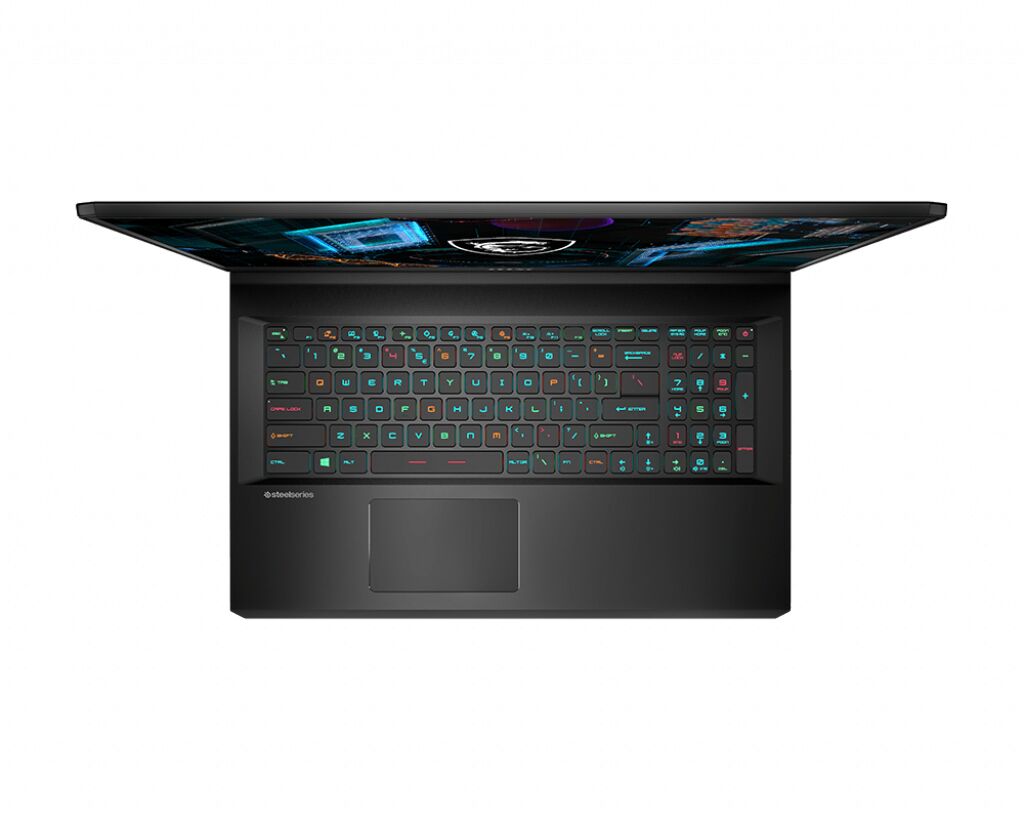
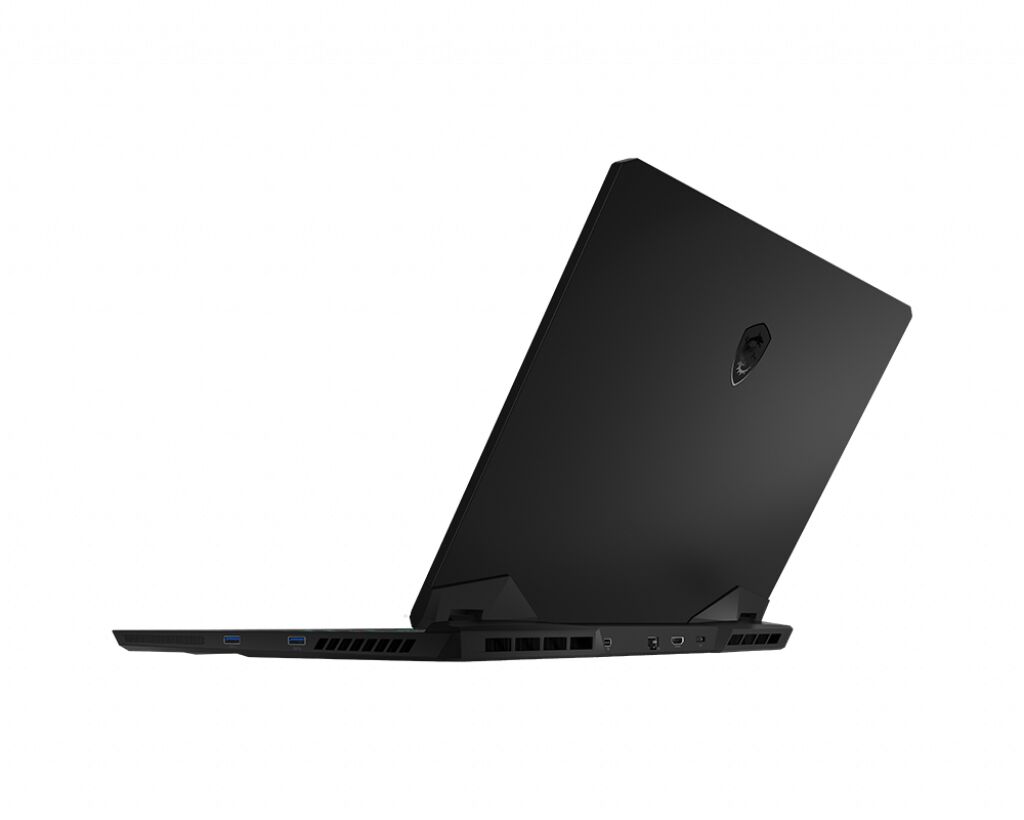
The MSI GP76 11UH-1013PL Leopard gaming laptop supports DDR4-SDRAM memory upgrades through two SO-DIMM slots. Maximum RAM capacity reaches 64 GB, with compatible modules operating at 3200 MHz frequency. The Gaming GP series laptop specifications indicate DDR4 memory form factor for upgrade compatibility. Current RAM configuration and available slots determine upgrade options for this MSI model.
Memory Upgrade Specifications
| Specification | Value |
|---|---|
| Memory slots | 2x SO-DIMM |
| Form factor | SO-DIMM |
| Memory type | DDR4-SDRAM |
| Frequency | 3200 MHz |
| Maximum RAM | 64 GB |
| Voltage | 1.2V |
| Number of pins | 260-pin |
| Interface | PC4 |
| PC Speed Rating | PC4-3200 (PC4-25600) |
| Bandwidth | 25.6 GB/s |
| Laptop Release date | 13 March 2022 |
Additional Notes
- The MSI GP76 11UH-1013PL Leopard accepts only laptop-sized modules, making desktop memory incompatible regardless of specifications.
- Peak theoretical memory bandwidth reaches 51.2 GB/s when both slots operate in dual-channel mode with 3200 MHz modules.
- Installing a single module forces the system into single-channel operation, reducing memory bandwidth by approximately 50 percent compared to dual-channel configuration.
- Each slot supports up to 32 GB modules, allowing symmetric configurations that optimize memory interleaving and access patterns.
- Memory operating below 3200 MHz will create a bottleneck for the integrated memory controller, potentially limiting GPU performance during high-throughput workloads.
- Non-matching module speeds force both modules to operate at the frequency of the slower component, reducing overall system memory bandwidth.
- The platform requires 1.2V DDR4 modules, as higher voltage variants designed for overclocking may cause stability issues or refuse to operate.
- Both slots remain accessible without logic board removal, preserving manufacturer warranty during user-serviceable upgrades.
- Mixed module capacities require the smaller module to be mirrored in the first portion of the larger module's address space for dual-channel benefits, with excess capacity reverting to single-channel access.
- Error-correcting code memory provides no performance advantage in this consumer platform and typically costs more while offering no functional benefit.
- Modules exceeding JEDEC standard latencies may require manual timing adjustments in BIOS to achieve stability at 3200 MHz operation.