MSI Gaming GP76 11UH-1018NL Leopard RAM upgrade specifications


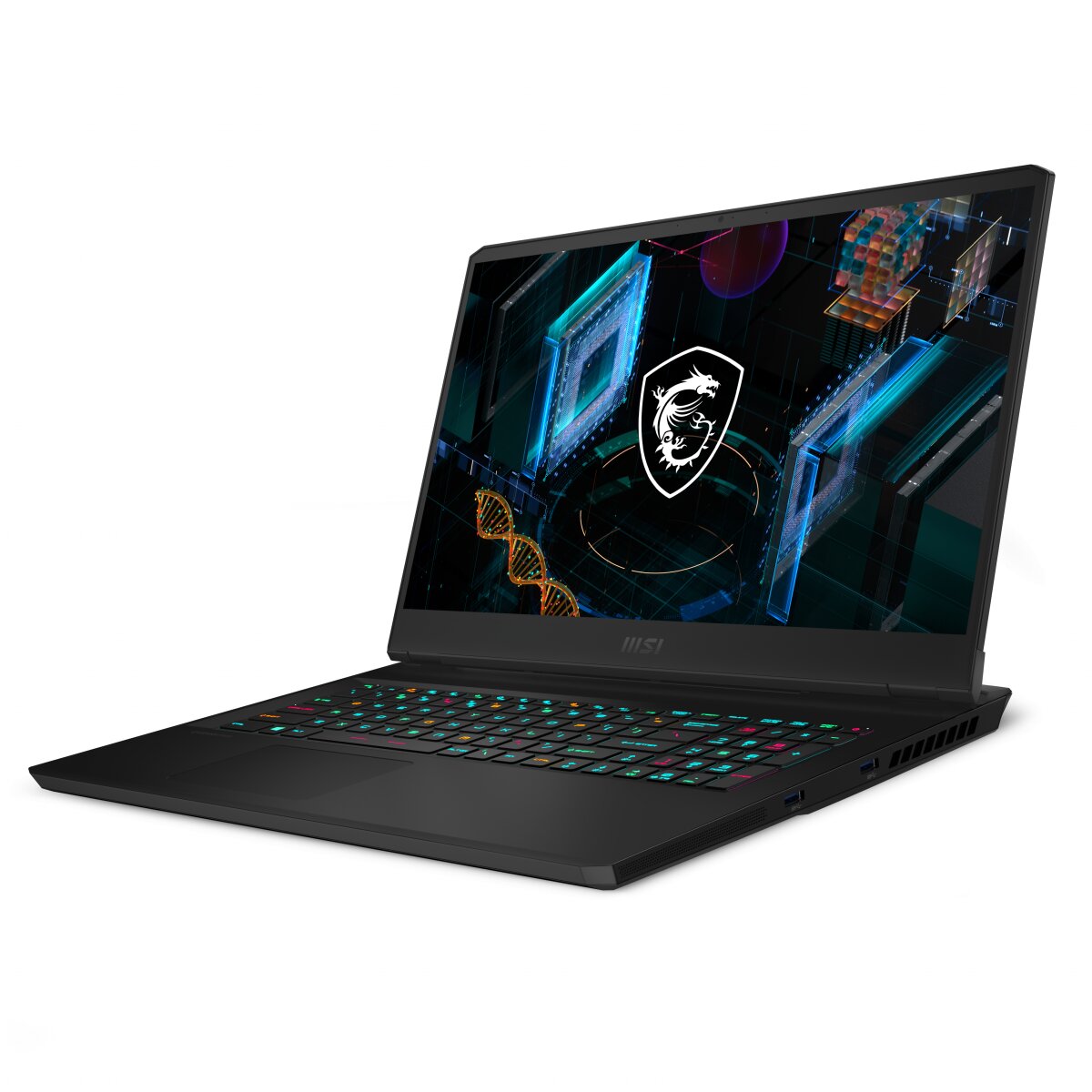
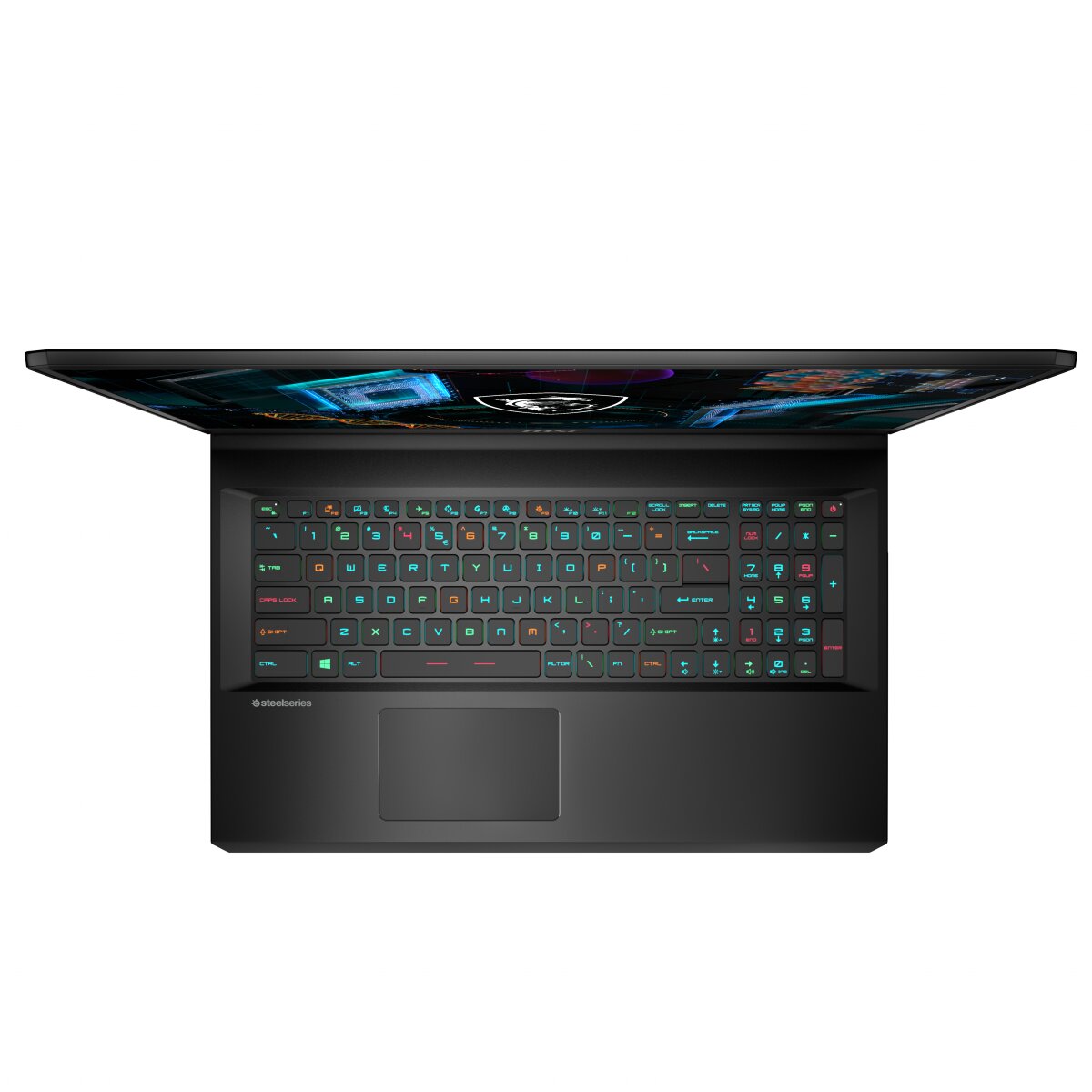
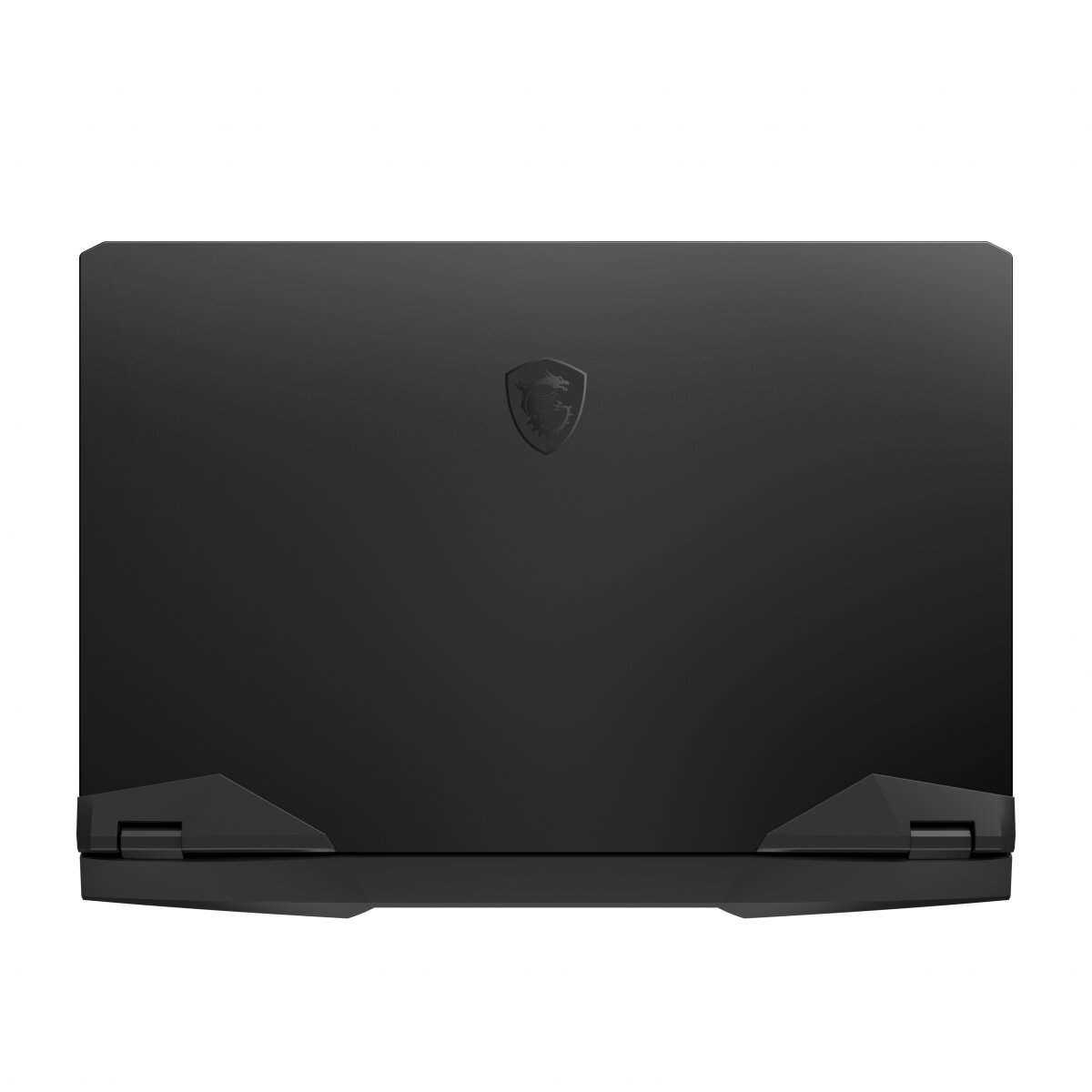
The MSI GP76 11UH-1018NL Leopard gaming laptop features DDR4-SDRAM memory upgrade specifications. The device contains 2x SO-DIMM slots supporting maximum RAM capacity of 64 GB total. Compatible memory operates at 3200 MHz frequency using SO-DIMM form factor. Upgrade capacity allows installation of high-performance memory modules in both available slots. The GP series Leopard model specifications accommodate modern DDR4 memory standards for enhanced multitasking and gaming performance capabilities within the MSI Gaming family.
Memory Upgrade Specifications
| Specification | Value |
|---|---|
| Memory slots | 2x SO-DIMM |
| Form factor | SO-DIMM |
| Memory type | DDR4-SDRAM |
| Frequency | 3200 MHz |
| Maximum RAM | 64 GB |
| Voltage | 1.2V |
| Number of pins | 260-pin |
| Interface | PC4 |
| PC Speed Rating | PC4-3200 (PC4-25600) |
| Bandwidth | 25.6 GB/s |
| Laptop Release date | 26 January 2022 |
Additional Notes
- The MSI GP76 11UH-1018NL Leopard accepts SO-DIMM modules exclusively, eliminating compatibility with standard desktop DIMM memory despite identical DDR4 voltage requirements.
- The 3200 MHz specification represents the maximum supported frequency, meaning faster modules will automatically downclock to this speed through SPD profile selection.
- Dual-channel architecture requires matched module pairs for optimal bandwidth utilization, with asymmetric configurations forcing single-channel operation on the mismatched portion.
- Reaching the 64 GB ceiling necessitates two 32 GB modules, which remain more expensive per gigabyte than equivalent capacity distributed across four slots.
- The two-slot limitation means partial upgrades require removing existing modules rather than supplementing them, potentially making original memory redundant.
- JEDEC-standard DDR4 operates at 1.2 volts, while some performance modules require XMP profiles that may exceed thermal design tolerances in gaming laptops under sustained loads.
- Physical clearance between SO-DIMM slots and adjacent heat spreaders can restrict module height, particularly with aftermarket modules featuring extended heat sinks.
- Mixing different density modules creates rank asymmetry that prevents interleaving optimizations, measurably reducing memory subsystem throughput in bandwidth-sensitive workloads.
- Most laptop warranties remain valid during user-accessible memory upgrades, though manufacturer verification of the specific access panel classification is advisable before disassembly.
- The 3200 MHz native speed provides sufficient bandwidth for 11th generation Intel mobile processors without creating memory-bound bottlenecks in typical gaming scenarios.