MSI Gaming GP76 11UH-681FR Leopard RAM upgrade specifications
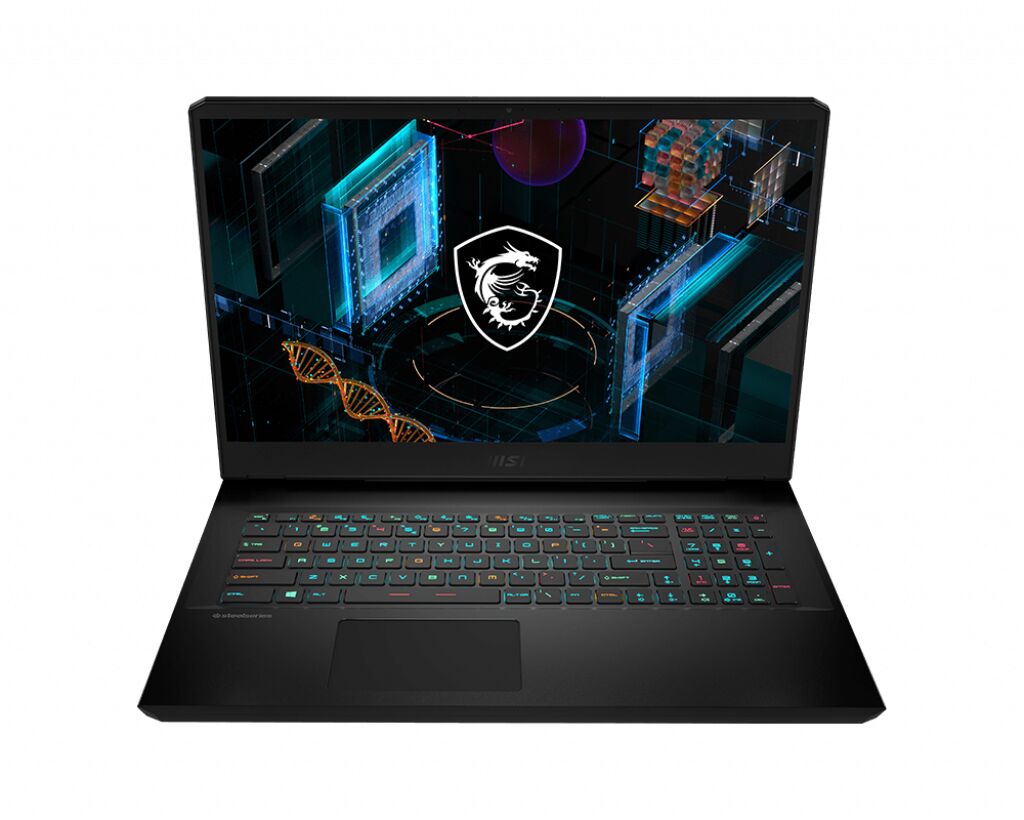
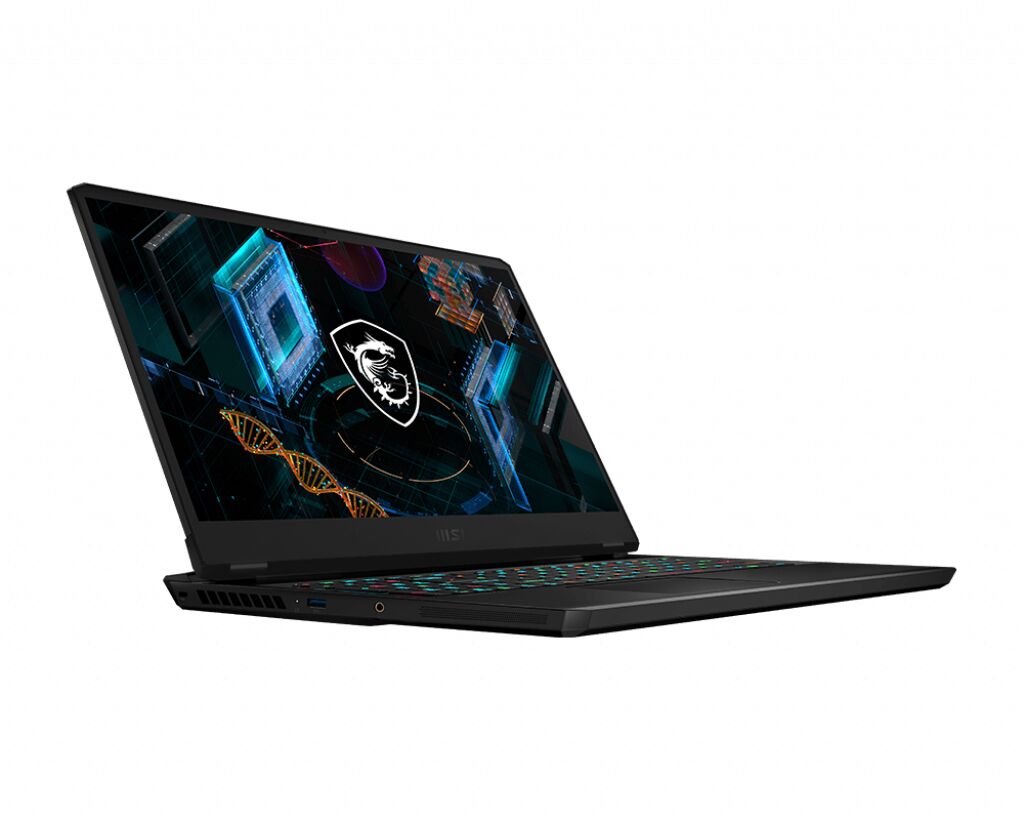
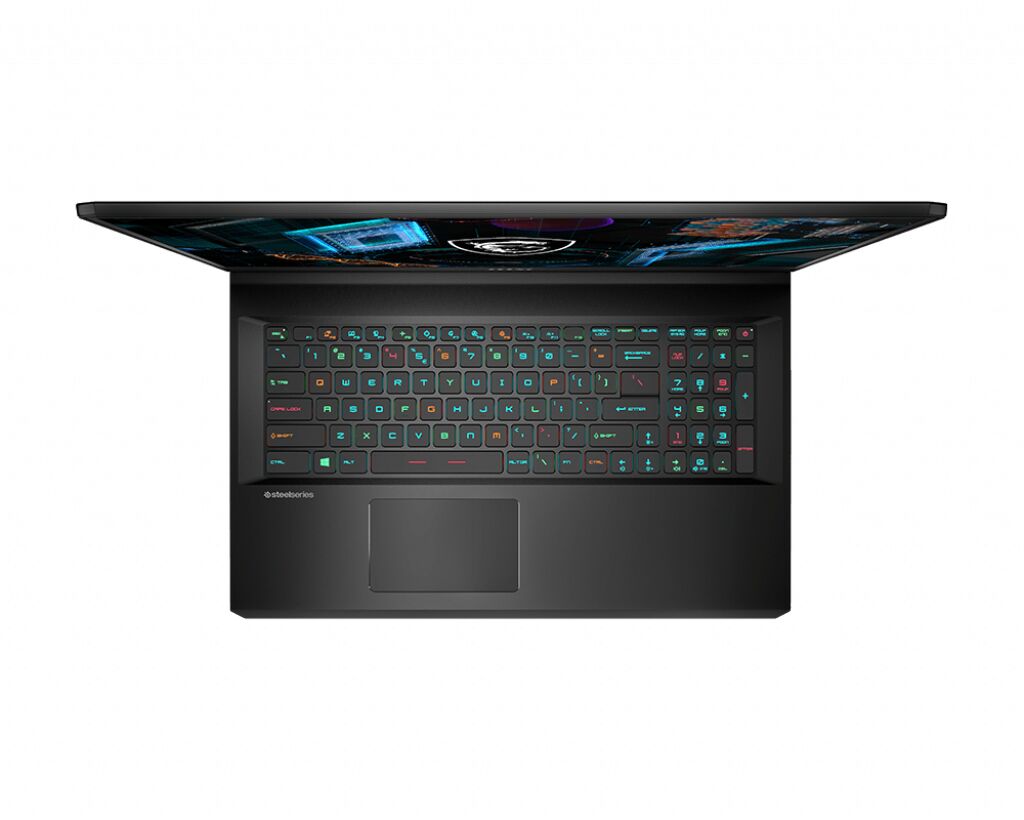
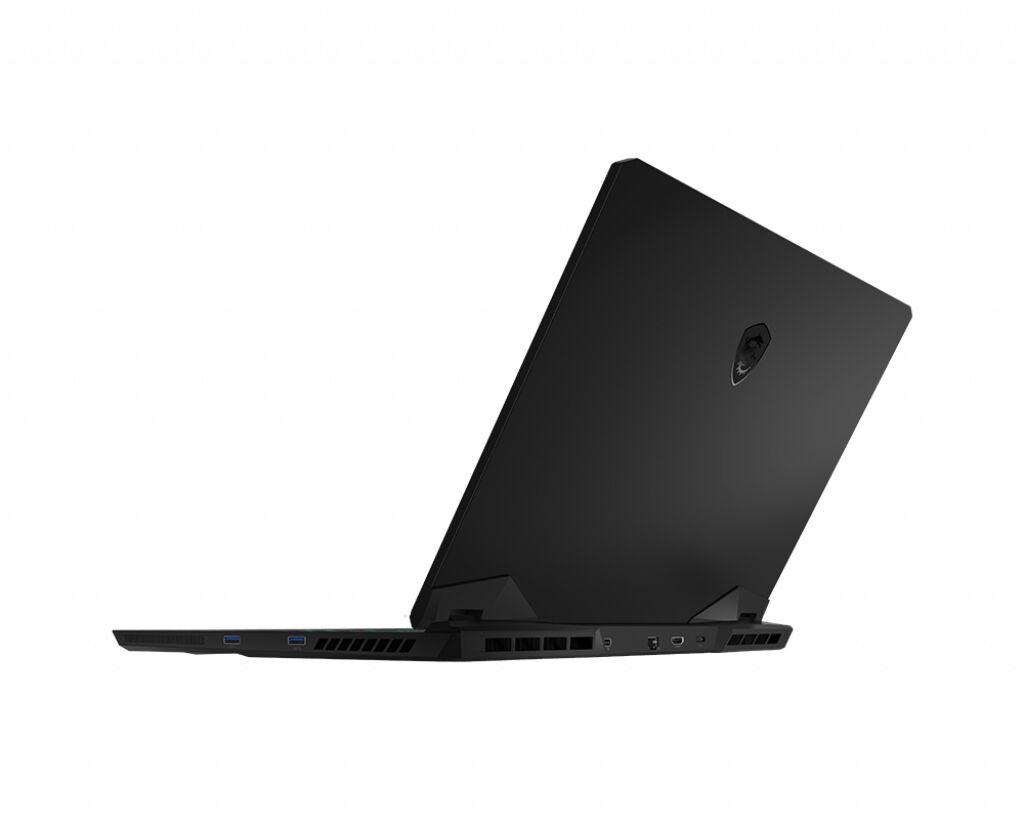
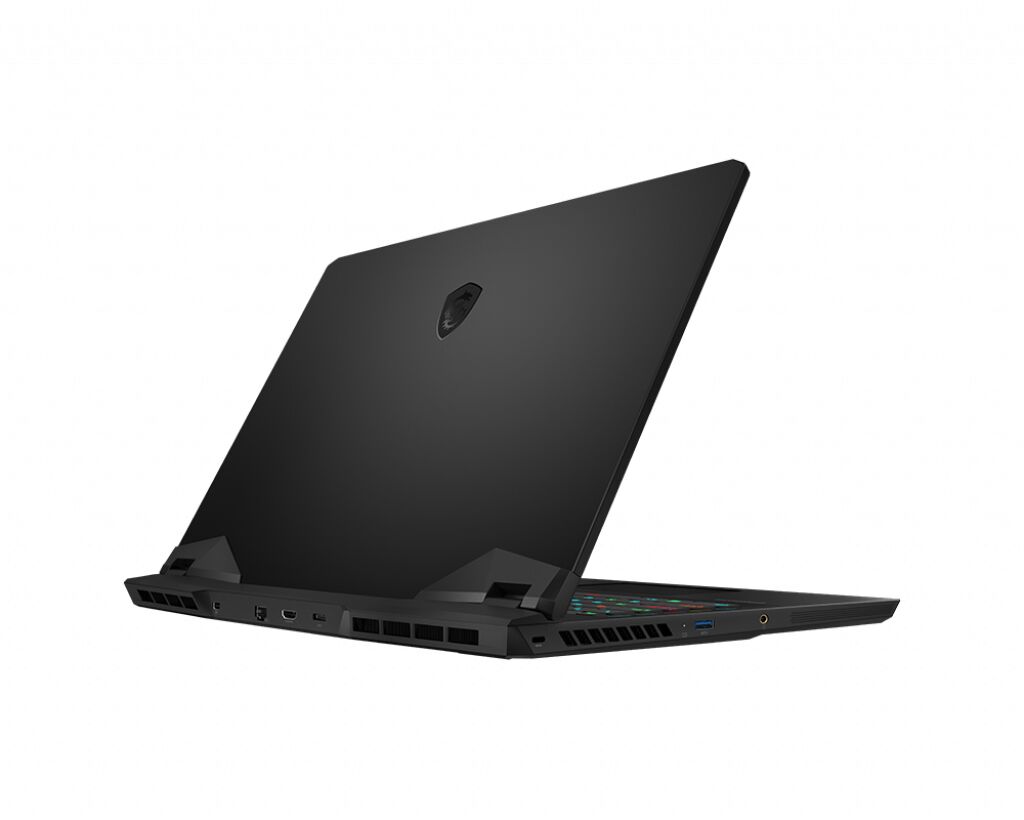
The MSI GP76 11UH-681FR Leopard gaming laptop features DDR4-SDRAM memory upgrade specifications with two SO-DIMM slots supporting maximum capacity of 64 GB. Compatible memory modules operate at 3200 MHz frequency. The upgrade slots accommodate standard SO-DIMM form factor modules. Current specifications enable users to expand RAM capacity up to the maximum supported 64 GB configuration by replacing or supplementing existing memory modules in the available slots.
Memory Upgrade Specifications
| Specification | Value |
|---|---|
| Memory slots | 2x SO-DIMM |
| Form factor | SO-DIMM |
| Memory type | DDR4-SDRAM |
| Frequency | 3200 MHz |
| Maximum RAM | 64 GB |
| Voltage | 1.2V |
| Number of pins | 260-pin |
| Interface | PC4 |
| PC Speed Rating | PC4-3200 (PC4-25600) |
| Bandwidth | 25.6 GB/s |
| Laptop Release date | 22 March 2022 |
Additional Notes
- The MSI GP76 11UH-681FR Leopard accommodates a maximum of 64 GB total capacity across 2 SO-DIMM slots, requiring matched pair installation for dual-channel operation to avoid performance penalties in gaming workloads.
- DDR4-3200 MHz modules operate within the 11th-generation Intel platform's native JEDEC specification, eliminating stability risks associated with overclocked memory profiles that would void thermal and power delivery warranties.
- SO-DIMM form factor requires low-profile memory modules (typically 30 mm height) to clear internal cooling solutions; standard desktop DDR4 DIMMs or high-profile aftermarket heatsinks will not physically fit within the chassis.
- A single SO-DIMM slot populated with 32 GB will activate single-channel mode, reducing memory bandwidth by approximately 50 percent and increasing frame time variance in CPU-bound gaming scenarios compared to dual-channel configurations.
- Upgrade from factory configuration to 64 GB necessitates both original SO-DIMMs remain installed; removing factory memory and installing only aftermarket modules may trigger automatic BIOS resets or boot failures on some production units.
- The 3200 MHz frequency represents the upper limit for this platform; higher frequency modules (3600 MHz or above) will downclock to 3200 MHz automatically, rendering premium pricing for faster variants economically inefficient.