MSI Gaming GS75 9SE-837RU Stealth RAM upgrade specifications
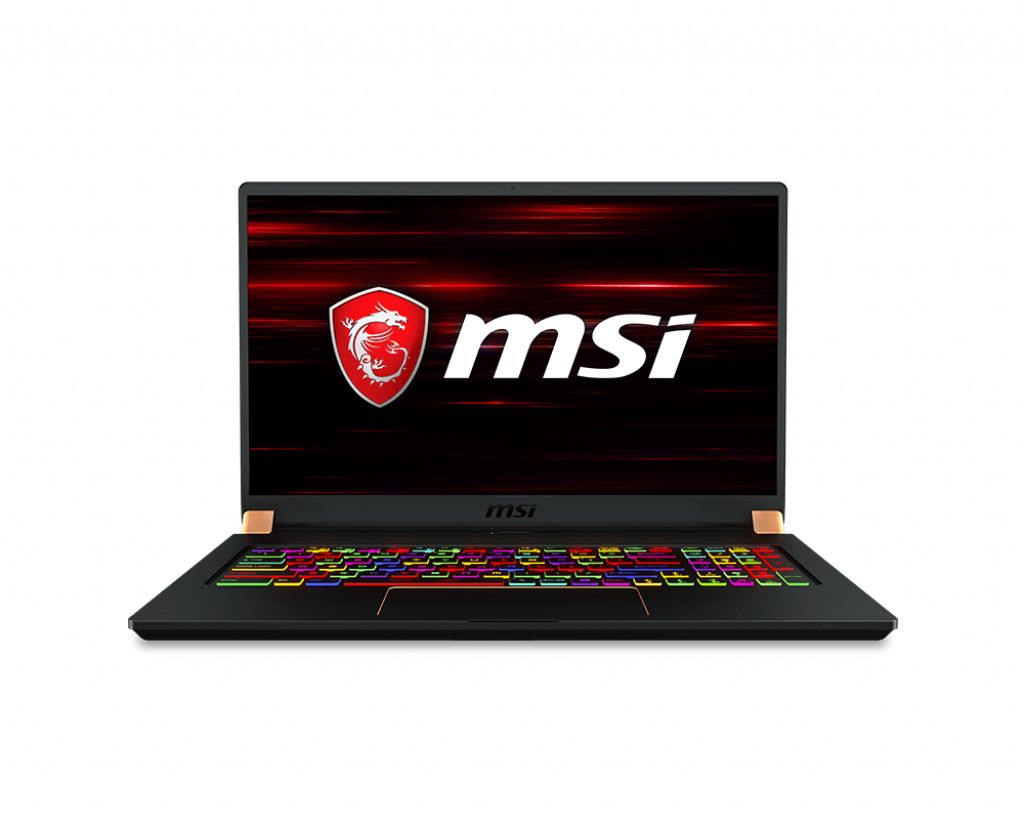
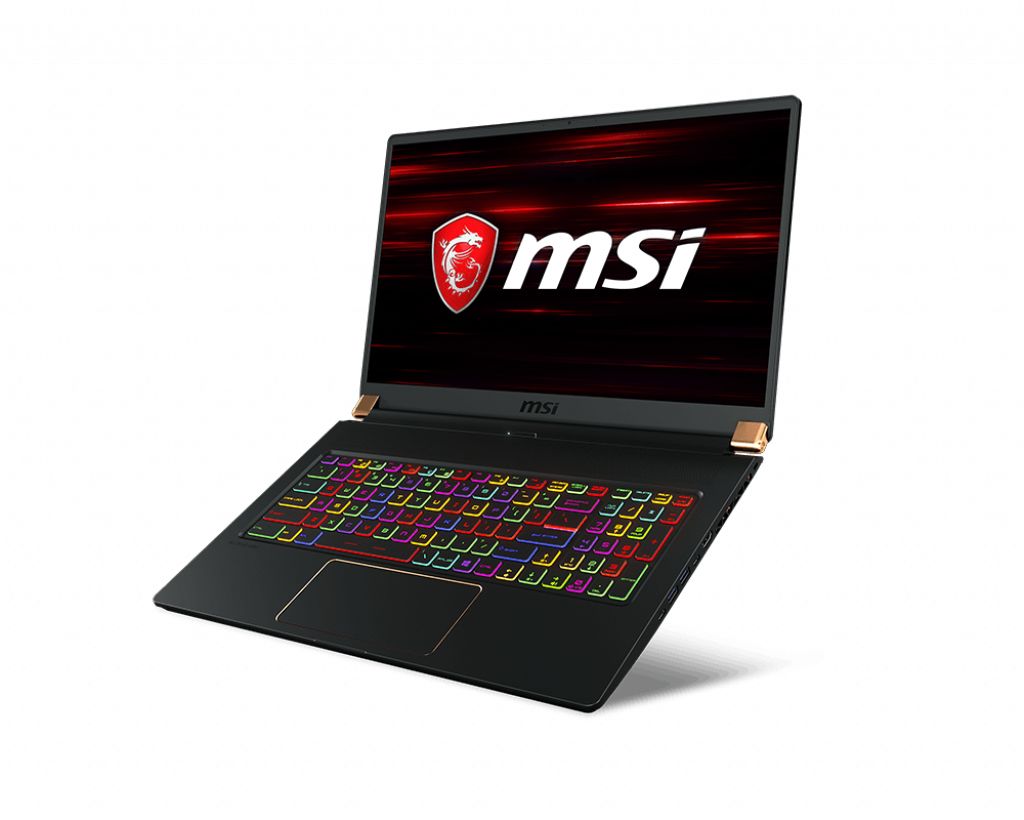
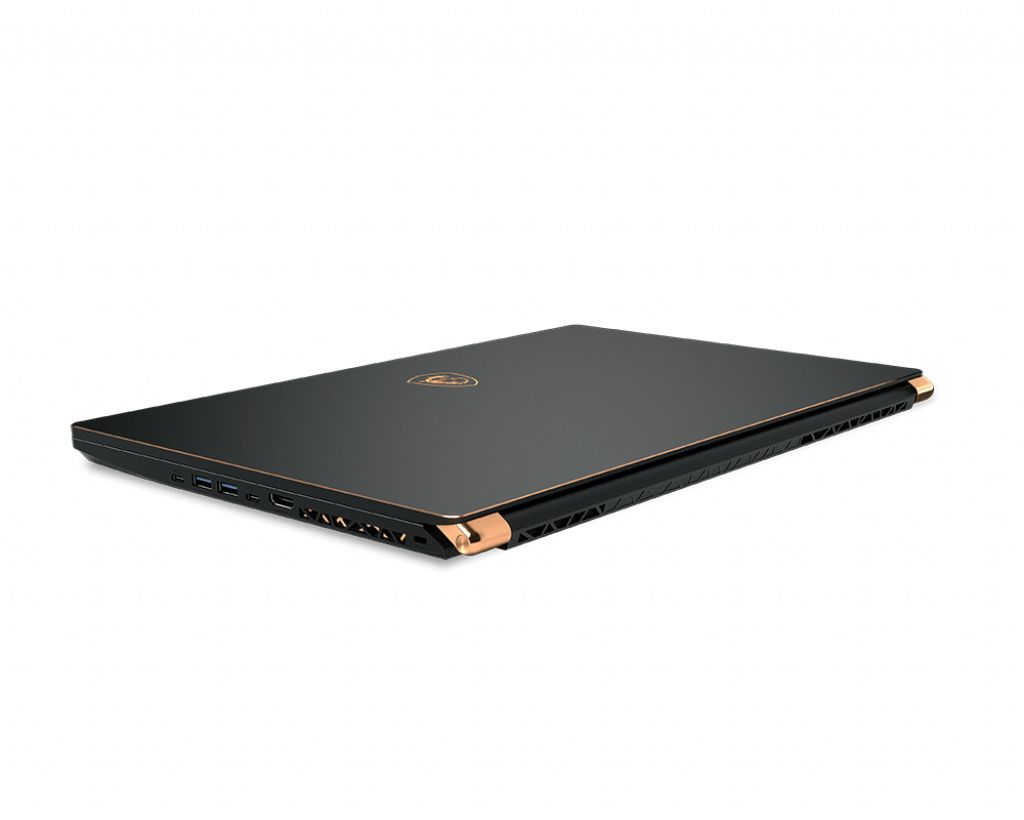

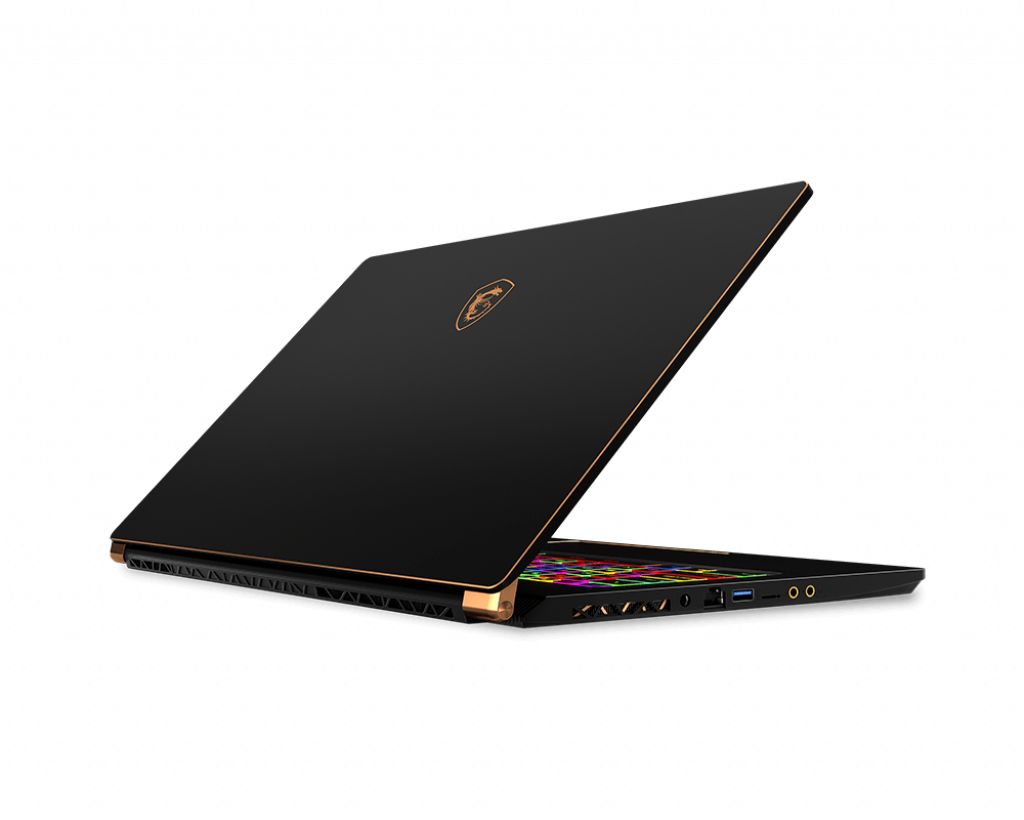
The MSI GS75 9SE-837RU Stealth gaming laptop features DDR4-SDRAM memory with 2x SO-DIMM slots supporting maximum capacity of 64 GB RAM. The upgrade specifications include DDR4 memory modules operating at 2666 MHz frequency. Compatible memory upgrades utilize the SO-DIMM form factor, allowing users to expand the laptop's memory capacity from its original configuration. Maximum supported RAM capacity reaches 64 GB, with each slot accommodating individual memory modules. The MSI Gaming GS75 series specifications ensure memory upgrade compatibility with DDR4 technology standards.
Memory Upgrade Specifications
| Specification | Value |
|---|---|
| Memory slots | 2x SO-DIMM |
| Form factor | SO-DIMM |
| Memory type | DDR4-SDRAM |
| Frequency | 2666 MHz |
| Maximum RAM | 64 GB |
| Voltage | 1.2V |
| Number of pins | 260-pin |
| Interface | PC4 |
| PC Speed Rating | PC4-2666 (PC4-21328) |
| Bandwidth | 21.3 GB/s |
| Laptop Release date | 16 August 2019 |
Additional Notes
- The MSI GS75 9SE-837RU Stealth accepts PC4-21300 modules, which represents the peak transfer rate of 21.3 GB/s per channel when operating at 2666 MHz in dual-channel configuration.
- Modules with higher native speeds such as 2933 MHz or 3200 MHz will downclock to 2666 MHz due to chipset limitations, resulting in no performance advantage over spec-compliant modules.
- The 64 GB maximum capacity requires two 32 GB modules, though compatibility with 32 GB density per stick depends on whether the system BIOS supports modules using 16 Gbit DRAM chips.
- Installing a single module disables dual-channel memory architecture, halving available bandwidth from approximately 42.6 GB/s to 21.3 GB/s, which impacts GPU performance in integrated or shared-memory scenarios.
- SO-DIMM modules exceeding 1.2V specification may trigger thermal throttling in thin gaming chassis designs due to restricted airflow around memory slots.
- Non-matching module capacities between slots will force the system to operate in asymmetric or flex mode, reducing effective dual-channel bandwidth to twice the capacity of the smaller module.
- Memory installed in this platform operates with CAS latencies typically between CL17 and CL19, where lower absolute latency in nanoseconds depends on the ratio between CAS cycles and frequency.
- Modules lacking XMP profiles will default to JEDEC standard timings of 19-19-19, while those with XMP may require manual BIOS adjustment since gaming laptops often restrict automatic overclocking profiles.
- The 260-pin SO-DIMM form factor requires a notch alignment at pin 197 specific to DDR4, preventing installation of physically incompatible DDR3L laptop modules.
- Warranty preservation requires verifying whether the bottom panel uses standard Phillips screws or security Torx fasteners before accessing the memory compartment.