MSI Gaming GS75 9SF-836RU Stealth RAM upgrade specifications
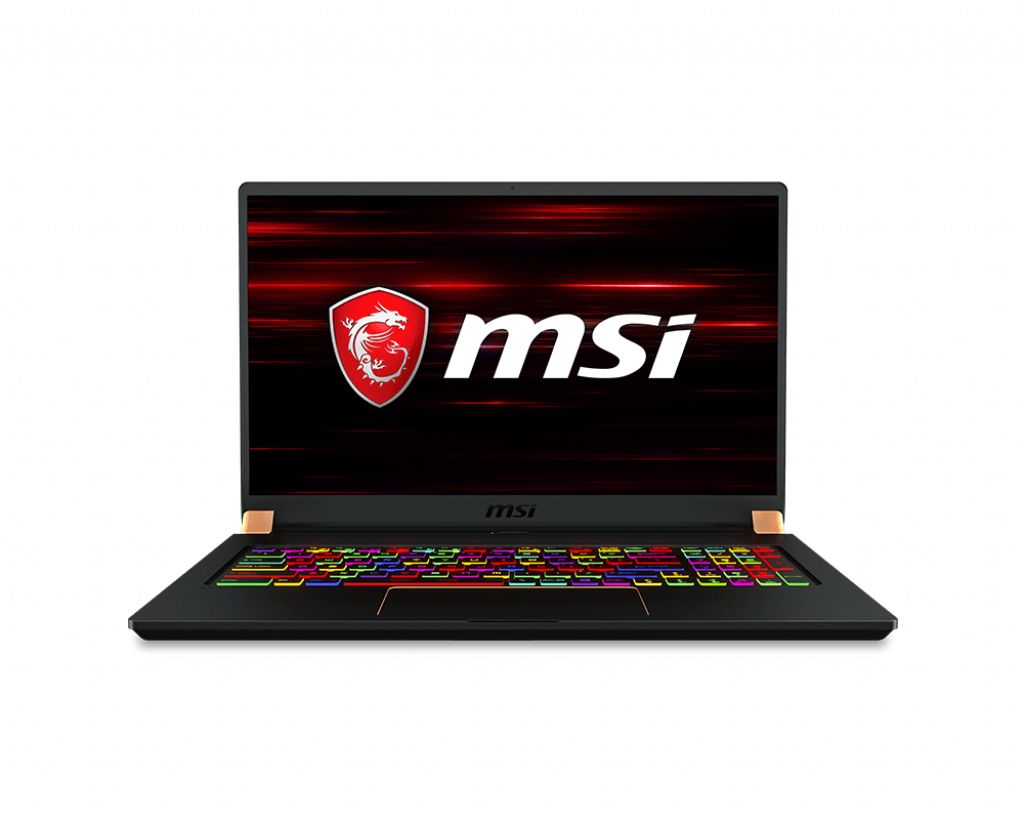
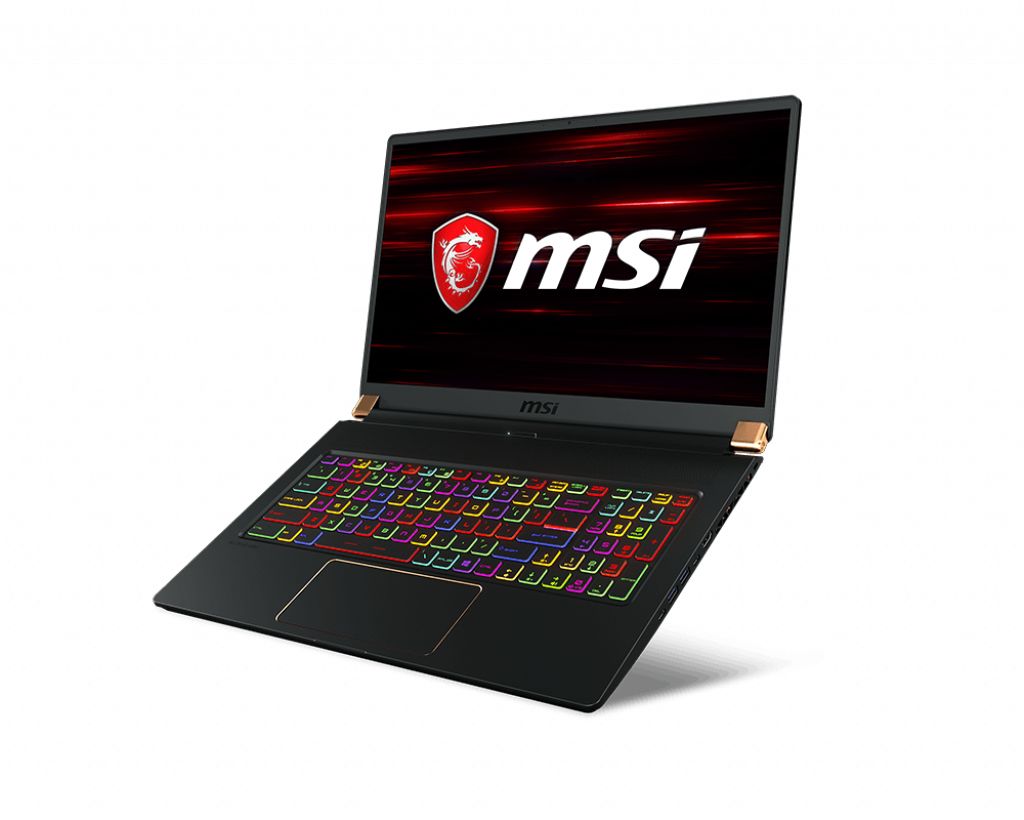
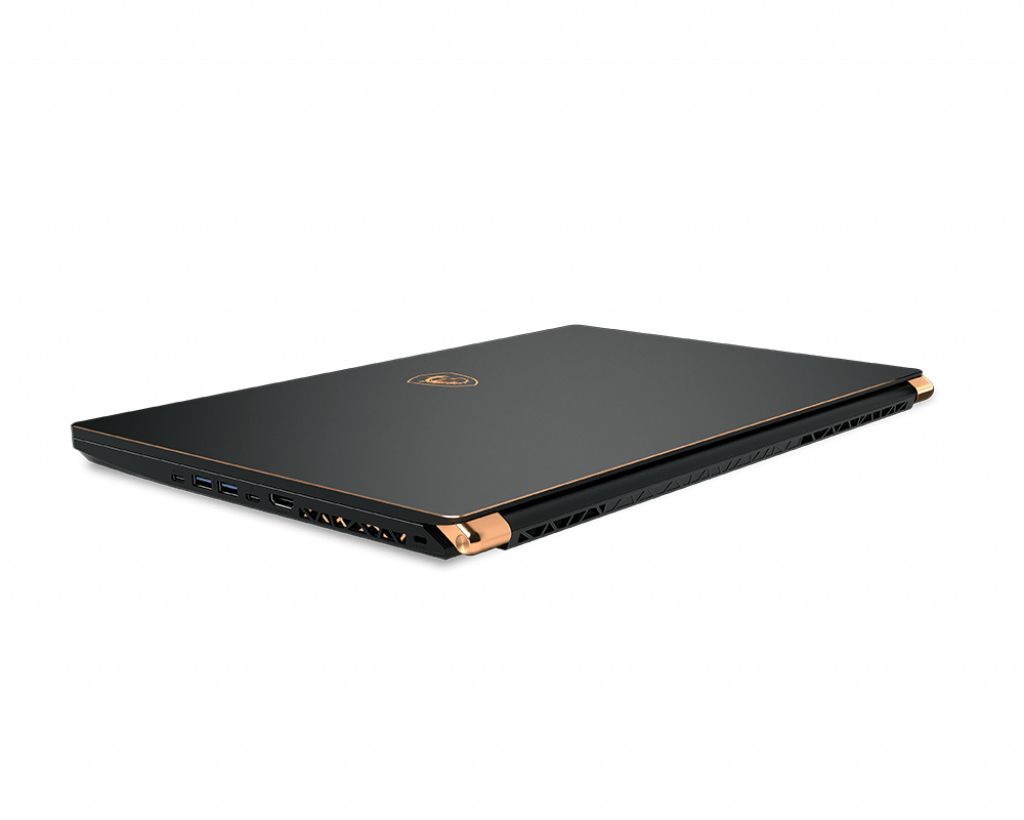


The MSI GS75 9SF-836RU Stealth gaming laptop features DDR4-SDRAM memory upgrade specifications with two SO-DIMM slots supporting maximum RAM capacity of 64 GB. Compatible memory modules operate at 2666 MHz frequency. Upgrade specifications enable configuration of DDR4-SDRAM modules in dual-slot configuration for enhanced memory capacity on the Gaming series GS75 model platform.
Memory Upgrade Specifications
| Specification | Value |
|---|---|
| Memory slots | 2x SO-DIMM |
| Form factor | SO-DIMM |
| Memory type | DDR4-SDRAM |
| Frequency | 2666 MHz |
| Maximum RAM | 64 GB |
| Voltage | 1.2V |
| Number of pins | 260-pin |
| Interface | PC4 |
| PC Speed Rating | PC4-2666 (PC4-21328) |
| Bandwidth | 21.3 GB/s |
| Laptop Release date | 16 August 2019 |
Additional Notes
- The MSI GS75 9SF-836RU Stealth utilizes SO-DIMM modules, which are physically smaller than standard desktop DIMMs and require specific laptop-grade memory modules for compatibility.
- With only 2 memory slots available, capacity upgrades require complete module replacement rather than incremental expansion, making 32 GB configurations (2x16 GB) more economical than filling slots with smaller modules initially.
- The 2666 MHz frequency limitation is typically imposed by the chipset or processor memory controller, meaning faster modules will downclock to this speed and provide no performance benefit despite higher cost.
- Dual-channel architecture requires matched memory modules in both slots to achieve full bandwidth, as asymmetric configurations may force single-channel operation and reduce memory throughput by approximately 50 percent.
- The 64 GB maximum capacity suggests ninth-generation Intel Core processor compatibility, as earlier mobile platforms typically capped at 32 GB total system memory.
- Non-ECC unbuffered modules are required for this consumer gaming platform, as ECC or registered memory will either fail POST or cause system instability.
- Operating voltage should remain at standard 1.2V for DDR4 SO-DIMMs, as higher-voltage modules designed for overclocking may exceed thermal limits in this chassis or void thermal management warranties.
- Memory replacement typically requires bottom panel removal and may necessitate thermal pad or paste reapplication if cooling components must be disturbed during installation.
- Mixing modules with different CAS latencies will force all modules to operate at the slowest timing specification, potentially degrading performance if mismatched kits are installed.
- The SO-DIMM form factor limits cooling surface area compared to desktop memory, making passive cooling entirely dependent on chassis airflow and proximity to heat-generating components.