MSI Gaming LEOPARD GP66 11UG-690CA RAM upgrade specifications


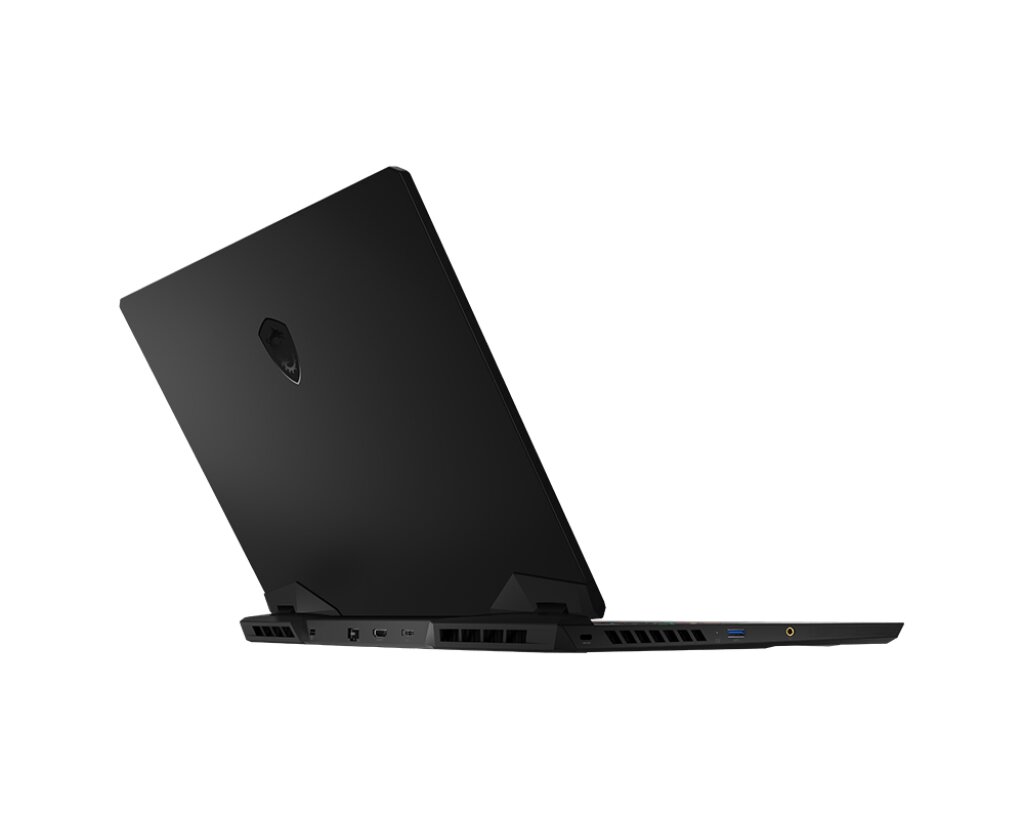
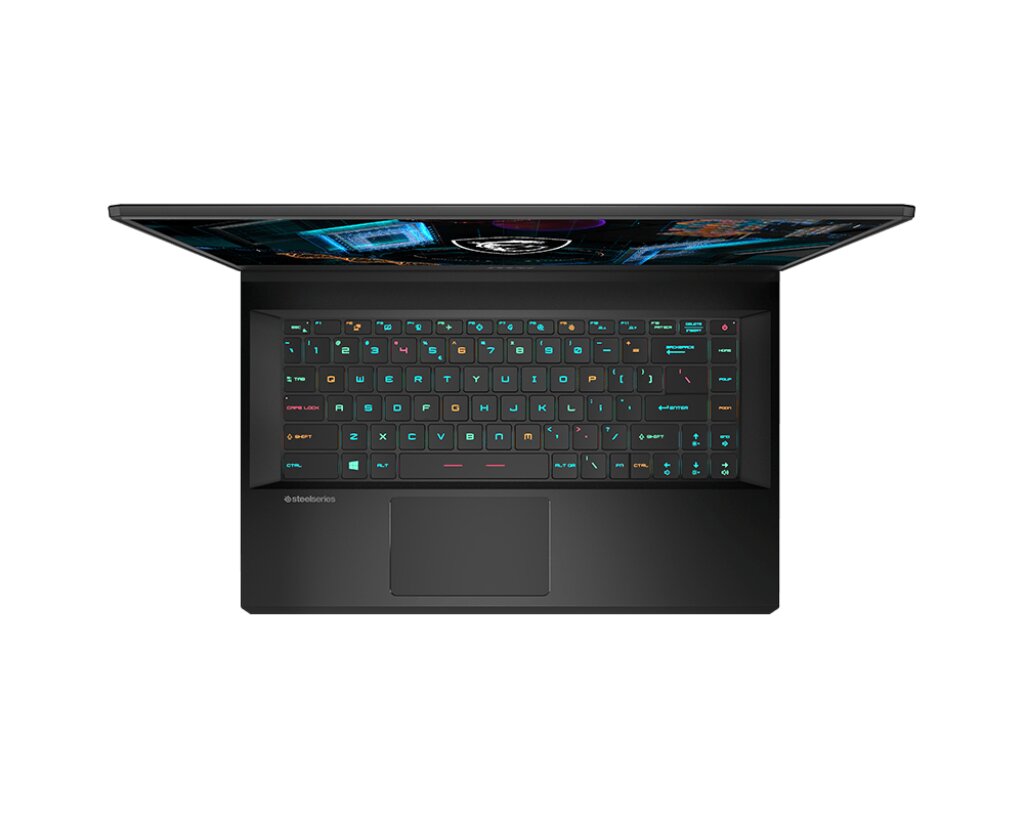
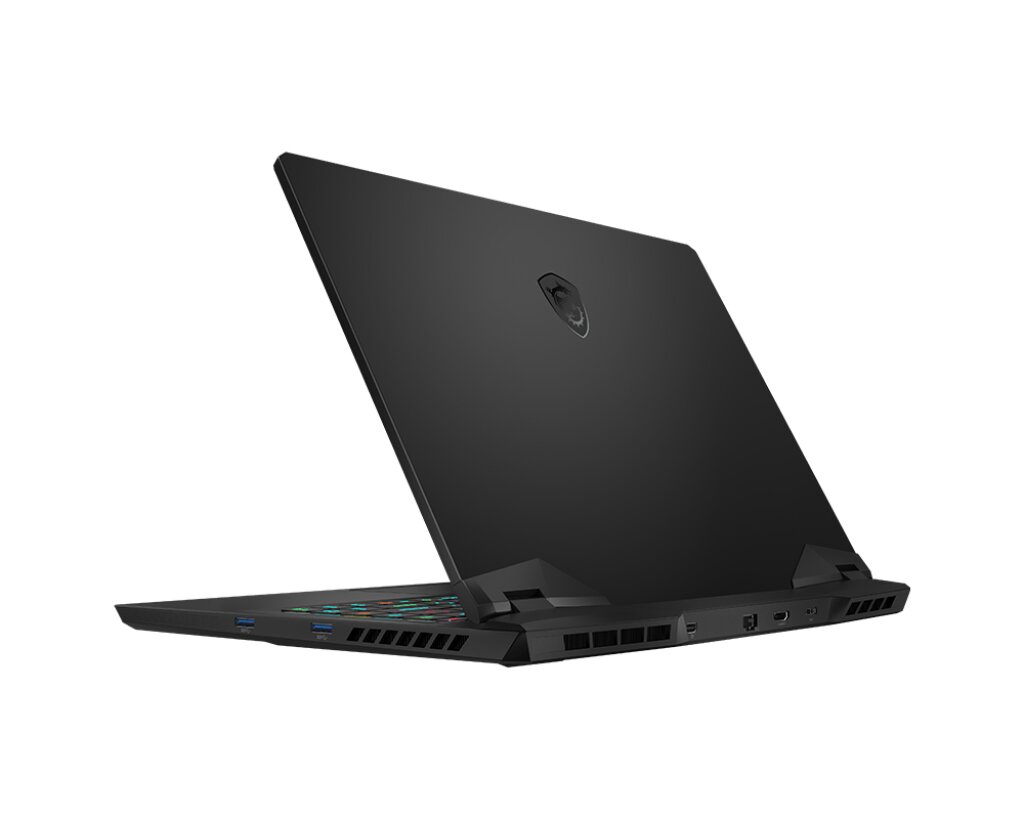
The MSI LEOPARD GP66 11UG-690CA gaming laptop features DDR4-SDRAM memory upgrade specifications. The system contains two SO-DIMM slots supporting a maximum RAM capacity of 64 GB. Compatible memory modules operate at 3200 MHz frequency. Upgrade options allow for expansion using DDR4 SO-DIMM form factor components. Current memory configuration and available slots determine upgrade capacity for the LEOPARD GP series notebook computer.
Memory Upgrade Specifications
| Specification | Value |
|---|---|
| Memory slots | 2x SO-DIMM |
| Form factor | SO-DIMM |
| Memory type | DDR4-SDRAM |
| Frequency | 3200 MHz |
| Maximum RAM | 64 GB |
| Voltage | 1.2V |
| Number of pins | 260-pin |
| Interface | PC4 |
| PC Speed Rating | PC4-3200 (PC4-25600) |
| Bandwidth | 25.6 GB/s |
| Laptop Release date | 14 April 2023 |
Additional Notes
- The MSI LEOPARD GP66 11UG-690CA implements dual-channel architecture through its 2 SO-DIMM configuration, requiring matched module pairs to maintain optimal memory bandwidth of 51.2 GB/s at 3200 MHz.
- Installing a single module or mismatched capacities will force the system into asymmetric or single-channel mode, reducing memory throughput by approximately 50 percent and creating performance bottlenecks in GPU-intensive workloads.
- The 64 GB ceiling necessitates 2x32 GB modules for maximum capacity, eliminating the possibility of future expansion beyond this configuration without replacing both modules.
- DDR4-3200 represents the JEDEC-standardized speed for this platform, operating at 1.2V without requiring XMP profile activation or manual timing adjustments in BIOS.
- SO-DIMM modules exceeding 32 GB per slot are not compatible with this chipset architecture, making 64 GB the absolute physical limitation regardless of operating system addressing capability.
- Accessing the memory slots requires bottom panel removal, which typically does not void manufacturer warranty when performed without damage, though verification of specific warranty terms remains advisable.
- The 3200 MHz frequency specification indicates compatibility with both DDR4-3200 and lower-speed modules, though slower DIMMs will downclock the entire memory subsystem to the lowest installed speed.
- Thermal performance may degrade with higher-density modules due to increased power draw, particularly during sustained memory-intensive operations in thermally constrained laptop chassis.
- Mixed-brand modules maintaining identical speed, latency, and voltage specifications will generally function without stability issues, though matched kits from single manufacturers undergo paired validation testing.
- The dual-slot limitation prevents incremental capacity upgrades beyond the initial installation without discarding existing modules, requiring full replacement for capacity increases.