MSI Gaming LEOPARD GP76 11UH-693ES RAM upgrade specifications
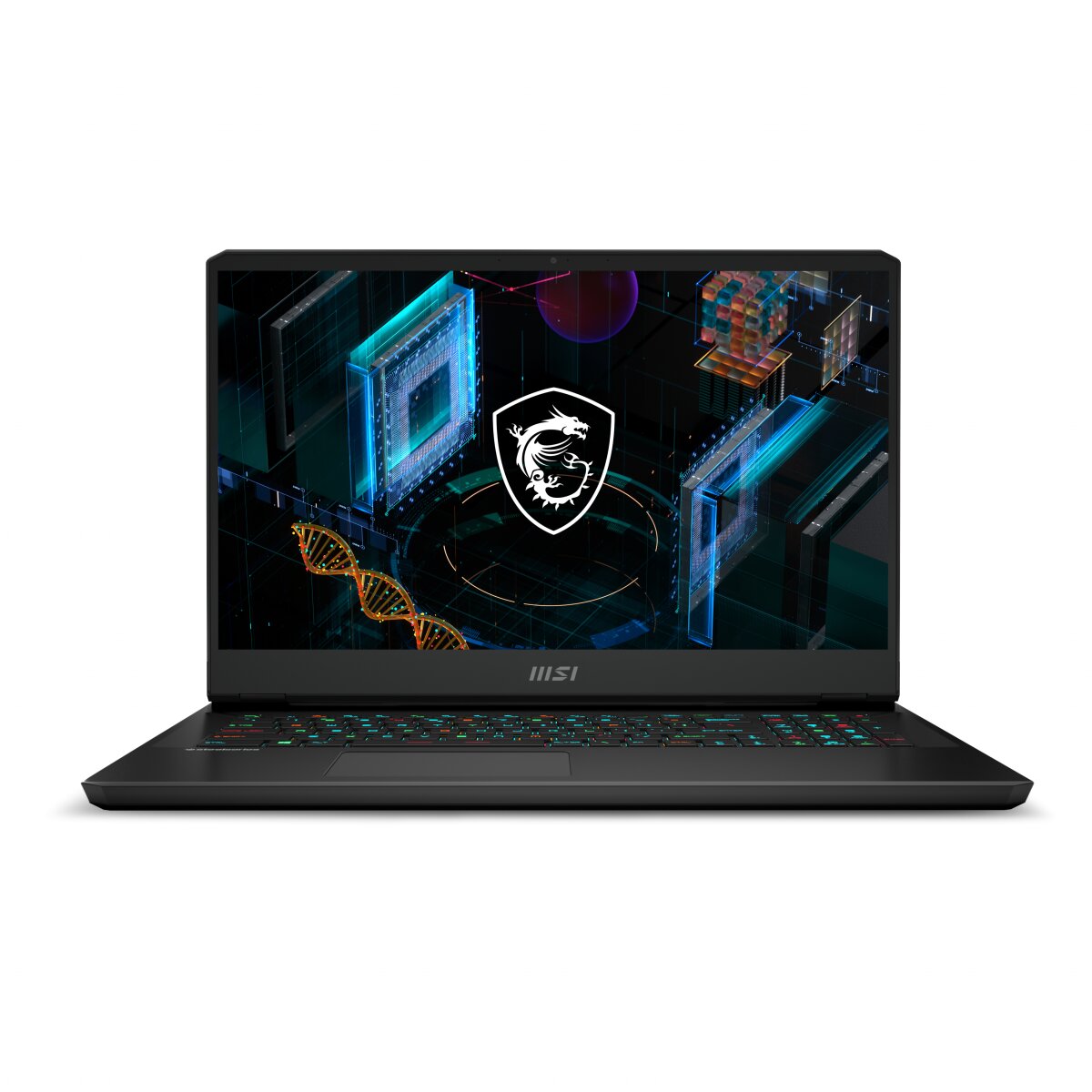
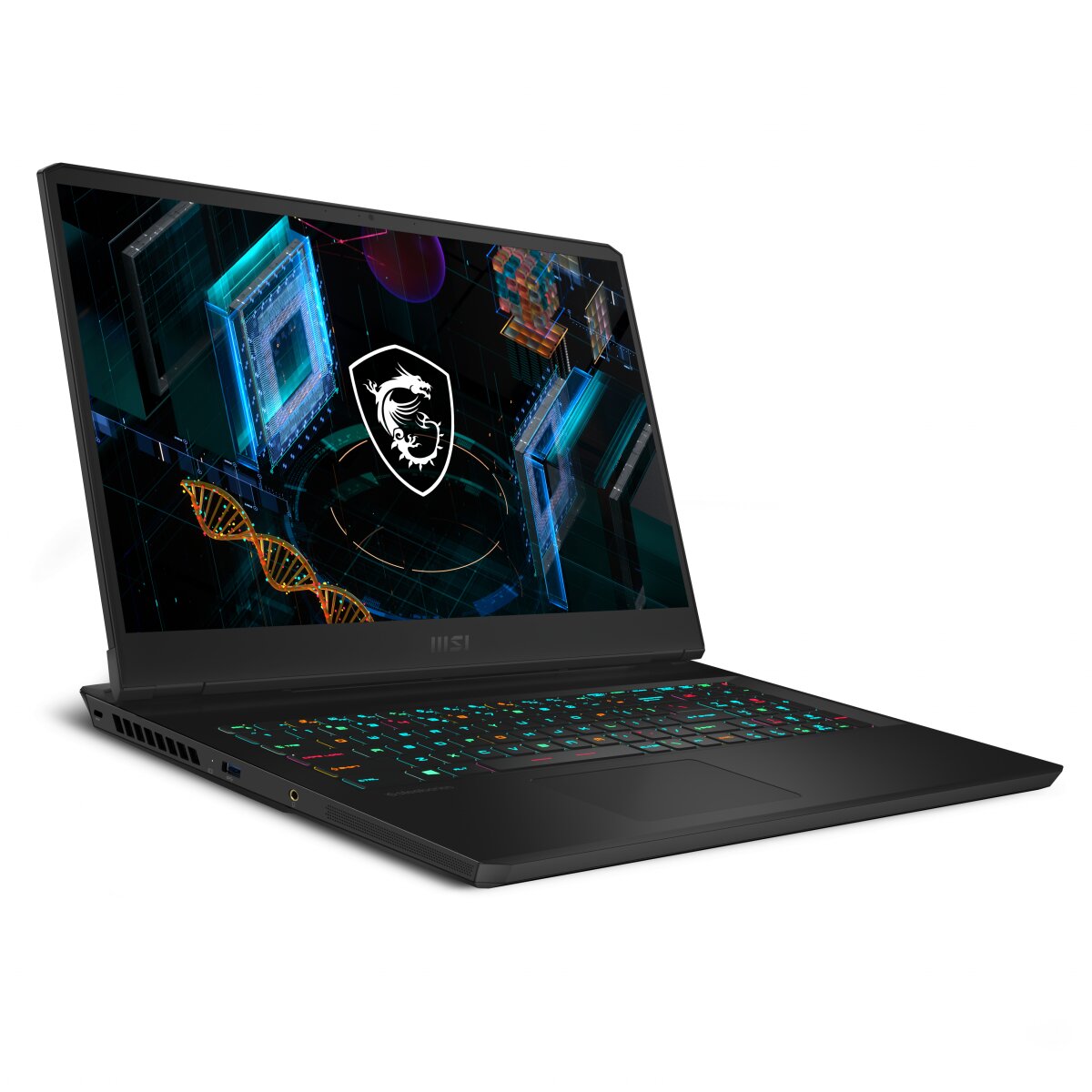
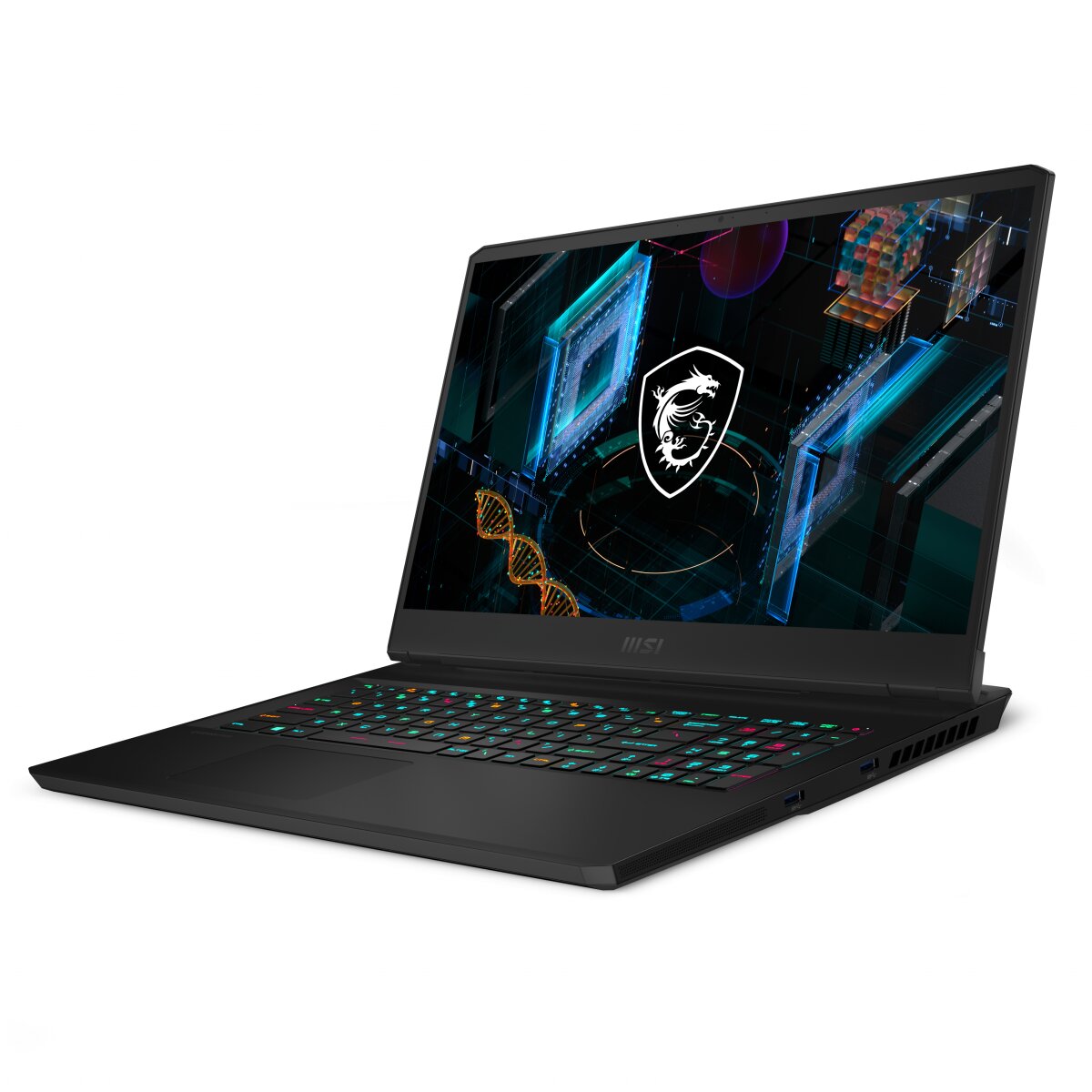
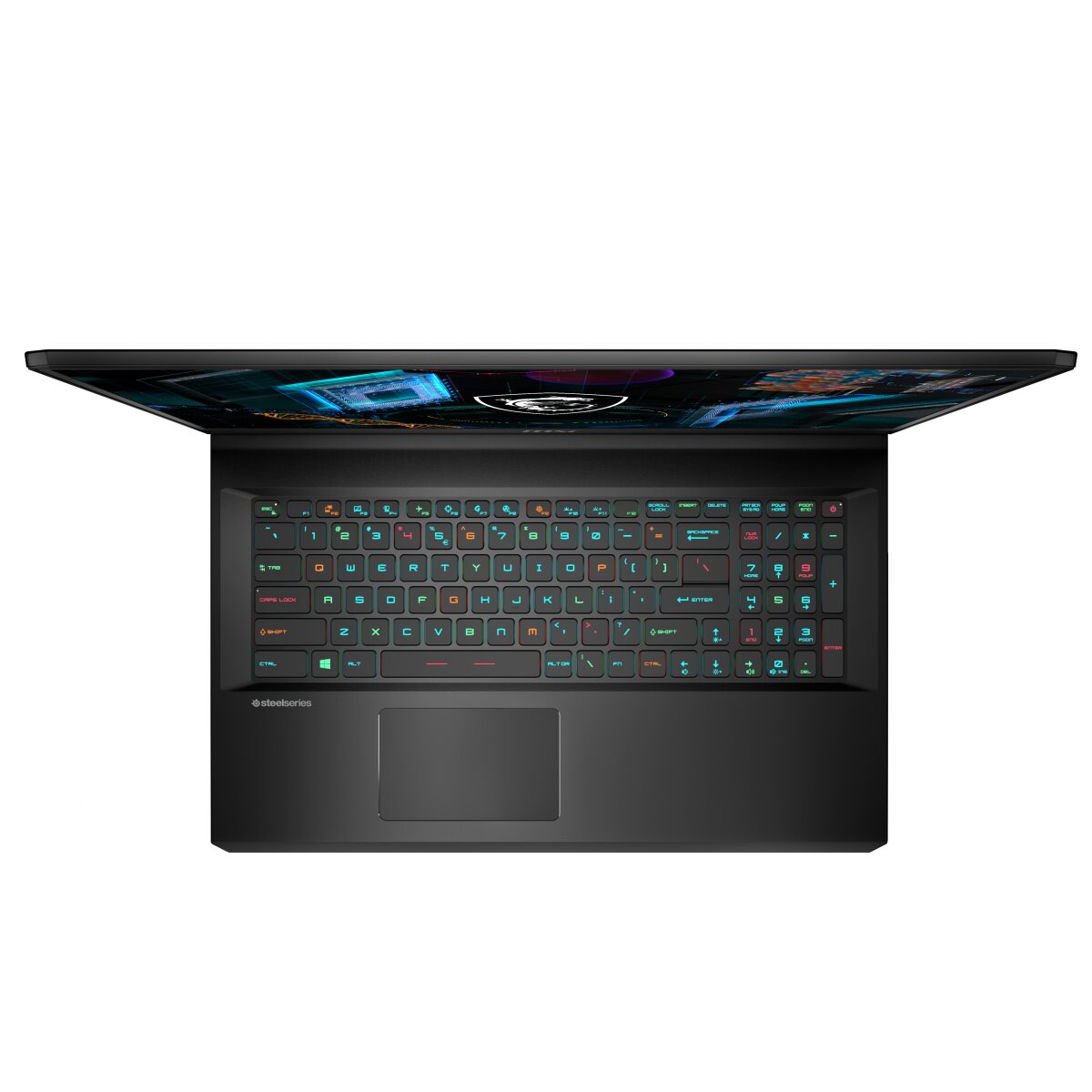
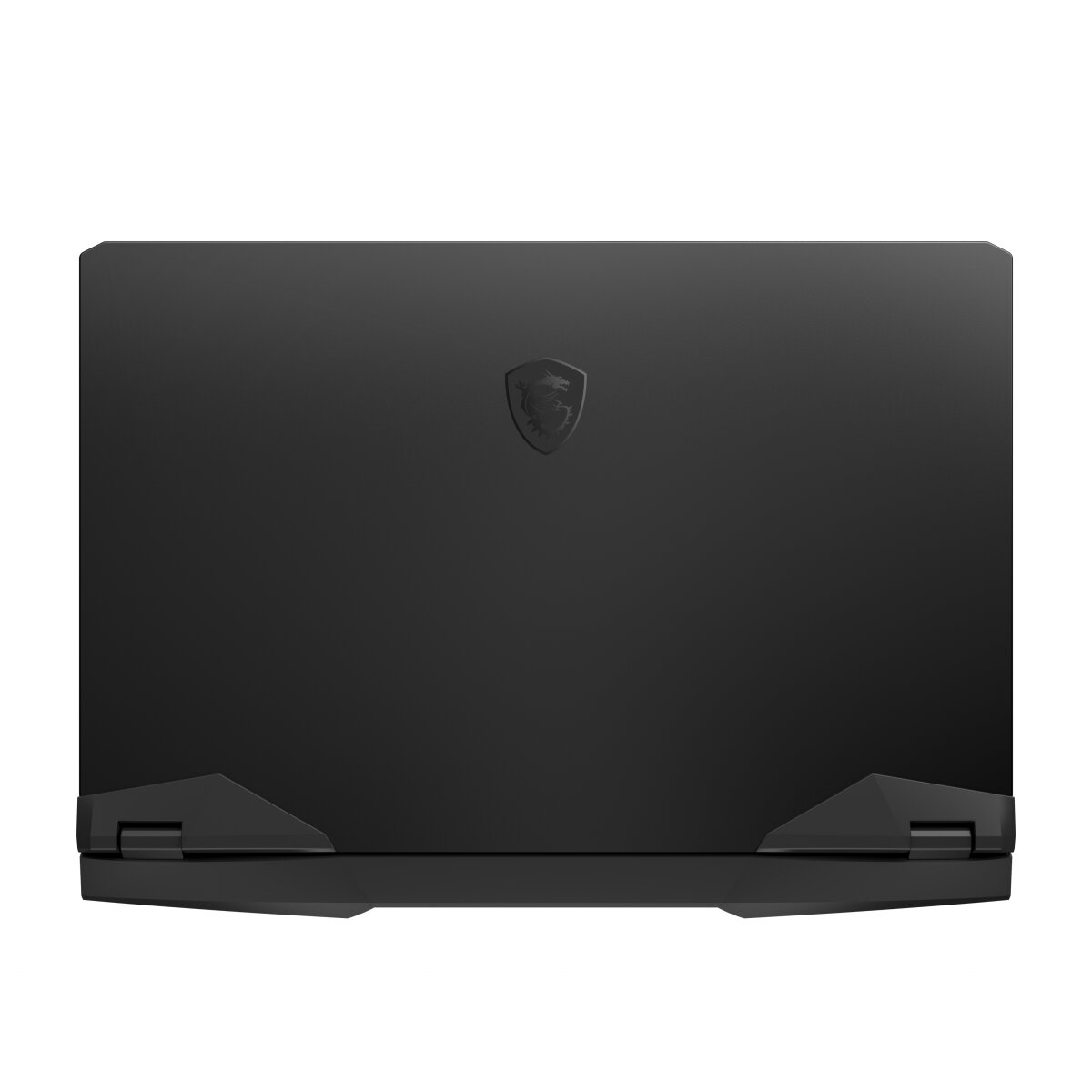
The MSI LEOPARD GP76 11UH-693ES gaming laptop features DDR4-SDRAM memory upgrade specifications with 2x SO-DIMM slots supporting maximum capacity of 64 GB RAM. Compatible memory modules operate at 3200 MHz frequency using SO-DIMM form factor. Upgrade specifications enable memory expansion for enhanced multitasking and performance in gaming applications.
Memory Upgrade Specifications
| Specification | Value |
|---|---|
| Memory slots | 2x SO-DIMM |
| Form factor | SO-DIMM |
| Memory type | DDR4-SDRAM |
| Frequency | 3200 MHz |
| Maximum RAM | 64 GB |
| Voltage | 1.2V |
| Number of pins | 260-pin |
| Interface | PC4 |
| PC Speed Rating | PC4-3200 (PC4-25600) |
| Bandwidth | 25.6 GB/s |
| Laptop Release date | 28 August 2021 |
Additional Notes
- The MSI LEOPARD GP76 11UH-693ES contains 2 SO-DIMM slots operating in dual-channel configuration, which means memory upgrades must maintain symmetrical capacity across both slots to preserve bandwidth efficiency. Asymmetrical configurations reduce throughput to single-channel speeds, degrading gaming and workload performance.
- SO-DIMM form factor restricts upgrades to laptop-specific modules; full-size UDIMM desktop memory cannot physically install in these slots regardless of electrical compatibility. This narrows the addressable upgrade market and typically increases per-gigabyte costs relative to consumer desktop memory.
- The 3200 MHz specification represents the rated frequency for DDR4 modules; compatibility extends to lower-speed variants (3000 MHz, 2933 MHz, 2666 MHz) through backward compatibility, though the system will downclock faster modules to match the lowest installed module's rated speed.
- Scaling from the factory configuration to the 64 GB maximum requires both slots populated with 32 GB modules. Most mainstream DDR4 SO-DIMM modules max out at 32 GB per slot, making this the practical ceiling without custom or server-grade components.
- 11th-generation Intel mobile processors in this platform support DDR4-3200 natively without requiring BIOS adjustments for standard frequency operation, reducing compatibility risks during memory replacement compared to overclocked configurations.
- Thermal design considerations for gaming laptops demand that aftermarket memory modules adhere to low-profile specifications (typically sub-30mm height) to maintain clearance between the SODIMM and heatspreader or thermal solution above the memory area.