MSI Gaming Vector GP66 12UGSO-619XFR RAM upgrade specifications
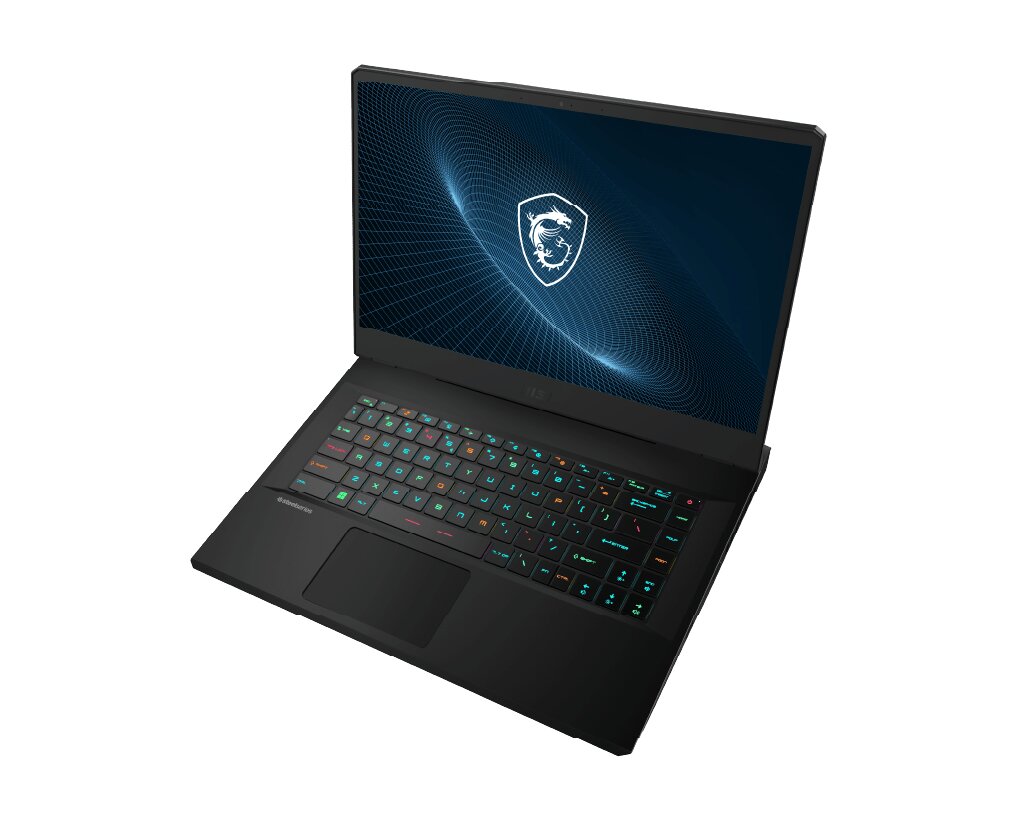
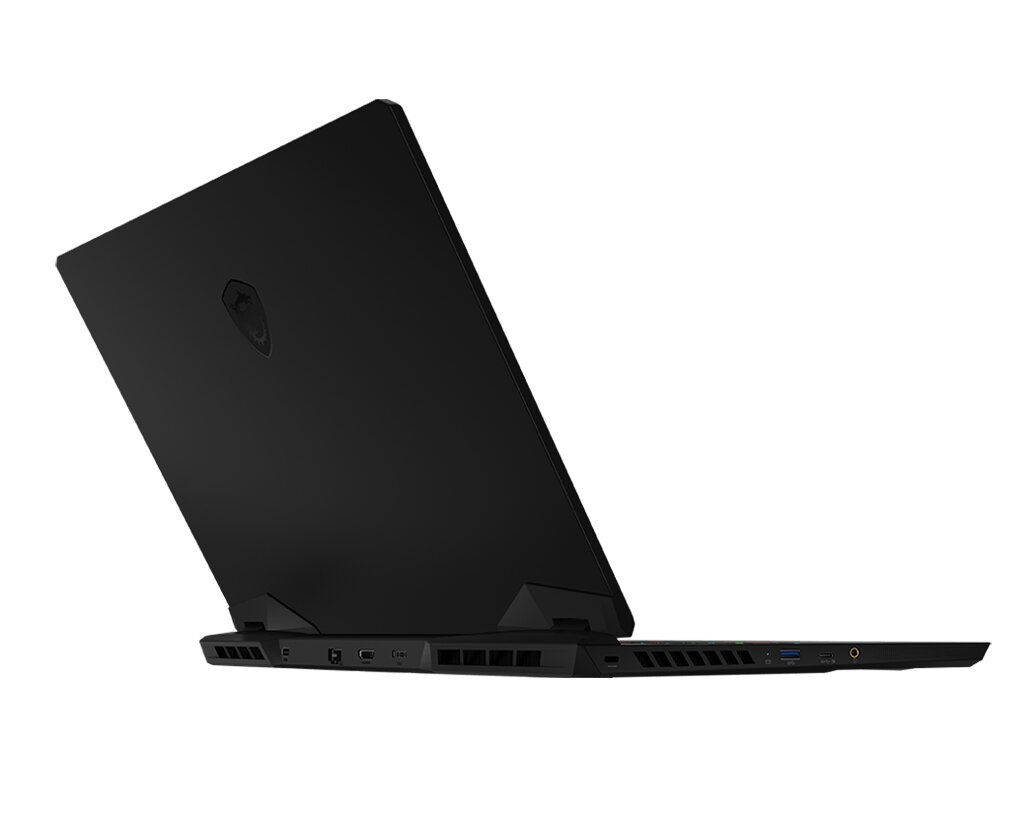
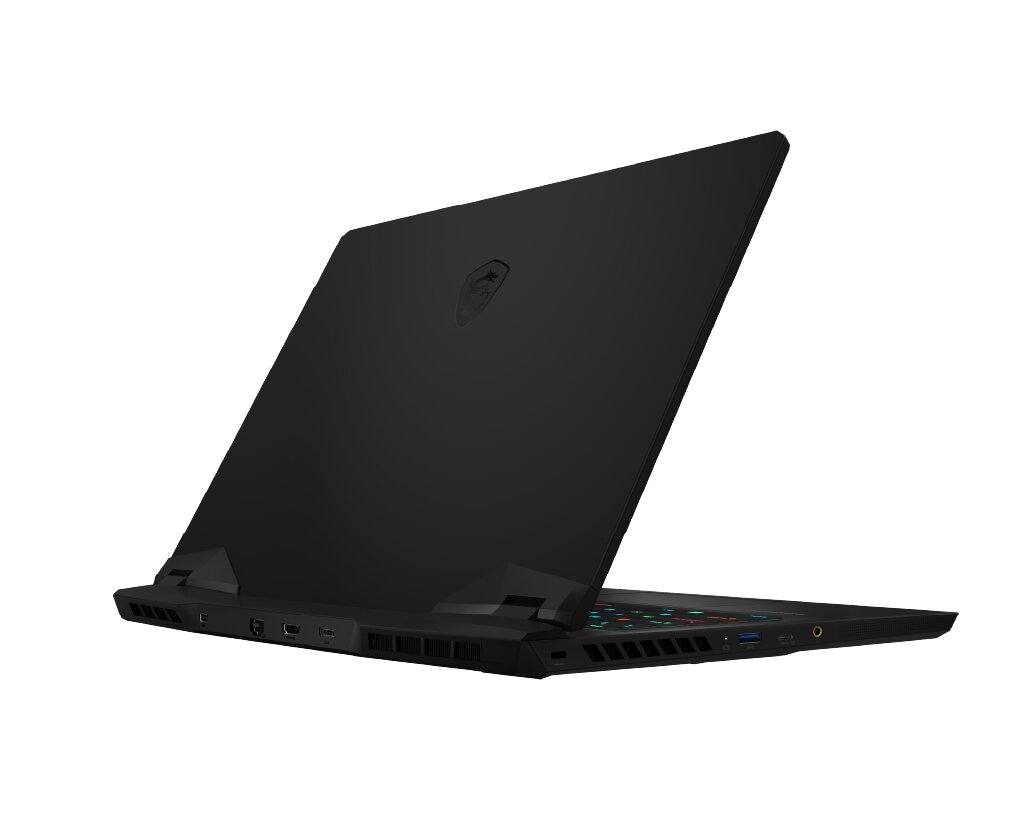
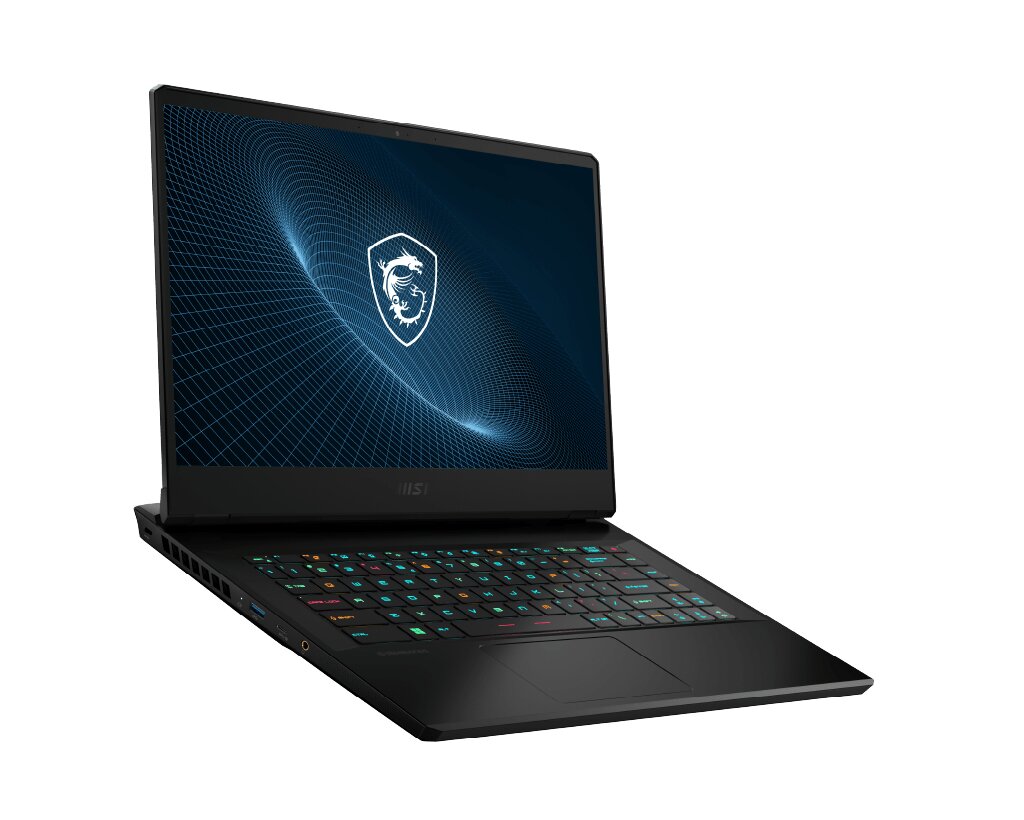
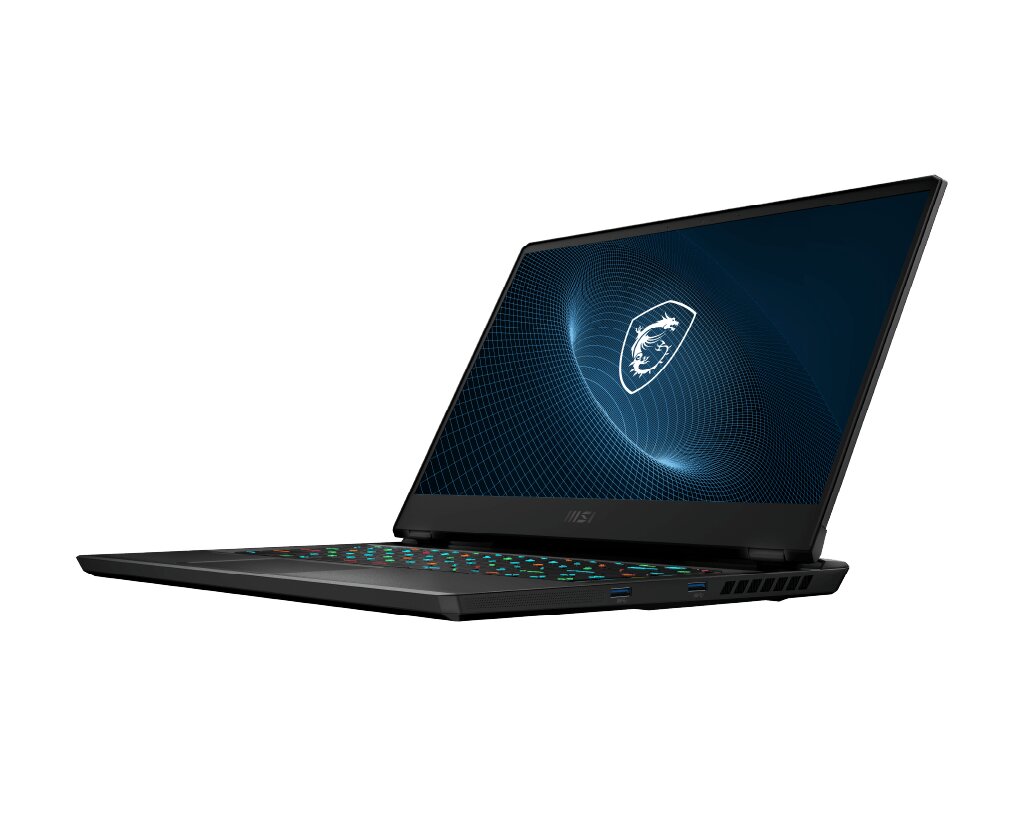
MSI Vector GP66 12UGSO-619XFR gaming laptop features DDR5-SDRAM memory upgrade capability. The device contains 2x SO-DIMM slots supporting maximum RAM capacity of 64 GB. Compatible memory modules operate at 4800 MHz frequency with SO-DIMM form factor. Specifications indicate the gaming series supports DDR5 upgrade specifications for enhanced performance and multitasking capabilities.
Memory Upgrade Specifications
| Specification | Value |
|---|---|
| Memory slots | 2x SO-DIMM |
| Form factor | SO-DIMM |
| Memory type | DDR5-SDRAM |
| Frequency | 4800 MHz |
| Maximum RAM | 64 GB |
| Voltage | 1.1V |
| Number of pins | 262-pin |
| Interface | PC5 |
| PC Speed Rating | PC5-4800 (PC5-38400) |
| Bandwidth | 38.4 GB/s |
| Laptop Release date | 07 November 2022 |
Additional Notes
- The MSI Vector GP66 12UGSO-619XFR utilizes DDR5 technology, requiring modules that are physically and electrically incompatible with DDR4 systems despite sharing the same SO-DIMM form factor.
- The 4800 MHz frequency represents the JEDEC standard baseline for DDR5, allowing compatibility with higher-rated modules that will downclock to this speed if installed.
- With 2 memory slots and a 64 GB ceiling, the maximum configuration supports 32 GB modules per slot, precluding the use of higher-density 48 GB or 64 GB single modules.
- DDR5 SO-DIMM modules feature on-die ECC and on-module PMIC architecture, differentiating them from DDR4 in power delivery and error correction handling at the hardware level.
- The dual-channel configuration requires matched pairs for optimal bandwidth utilization, as mismatched capacities or timings may force single-channel operation or reduce effective transfer rates.
- Memory access at 4800 MHz native speed assumes compatibility with Intel 12th generation Alder Lake platform specifications, where exceeding rated speeds may require XMP 3.0 profile support.
- SO-DIMM DDR5 modules operate at 1.1V standard voltage compared to DDR4's 1.2V, reducing thermal output but limiting overclocking headroom in thermally constrained laptop chassis.
- User-accessible memory slots typically maintain warranty coverage when using manufacturer-approved specifications, whereas soldered memory configurations would prohibit post-purchase capacity adjustments entirely.
- The 64 GB limit stems from chipset addressing constraints rather than physical slot limitations, meaning future BIOS updates cannot extend capacity beyond this architectural ceiling.
- Installing a single module in either slot will halve memory bandwidth to single-channel mode, directly impacting integrated graphics performance and memory-intensive workloads.