MSI Gaming Vector GP68 HX 13VH-085UK RAM upgrade specifications
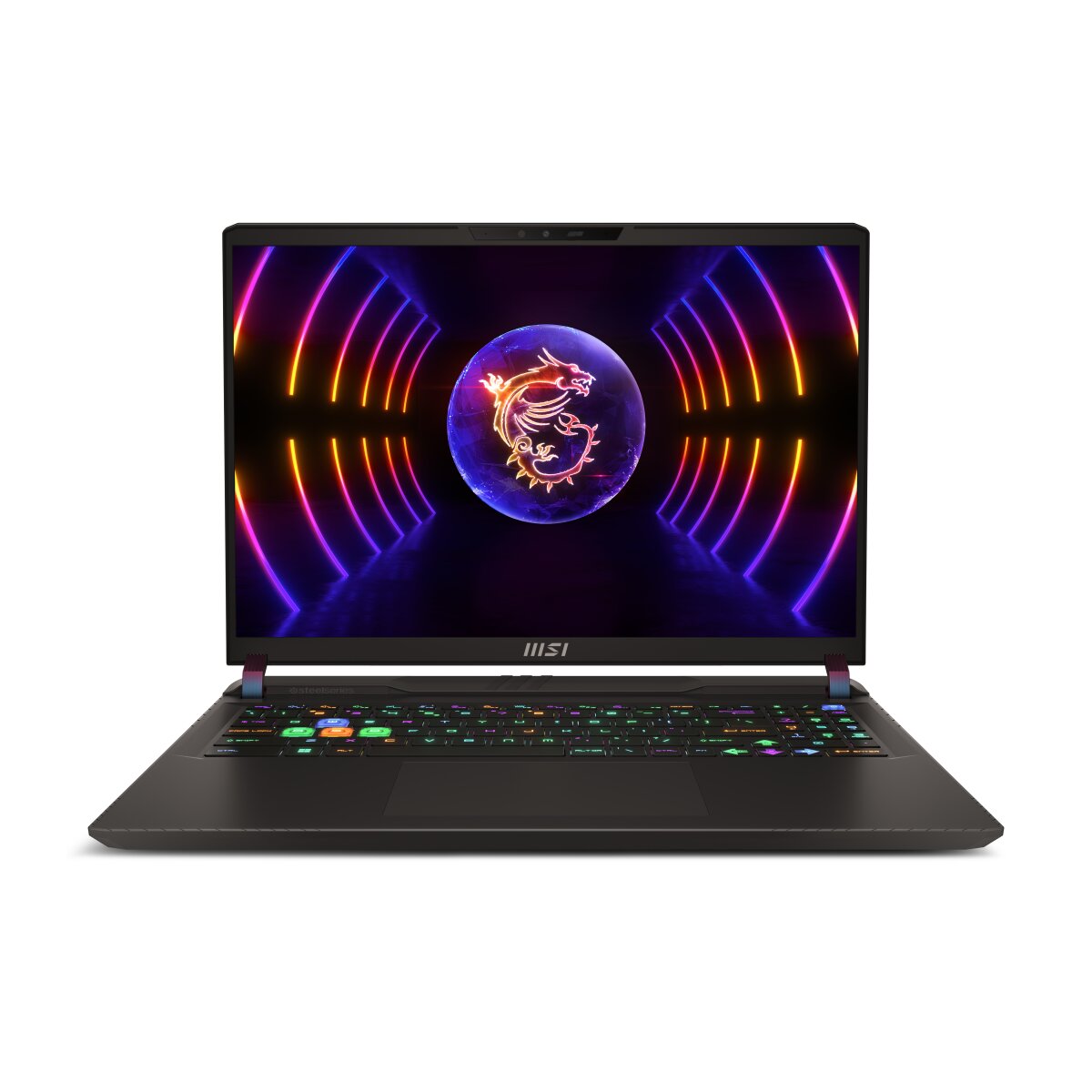
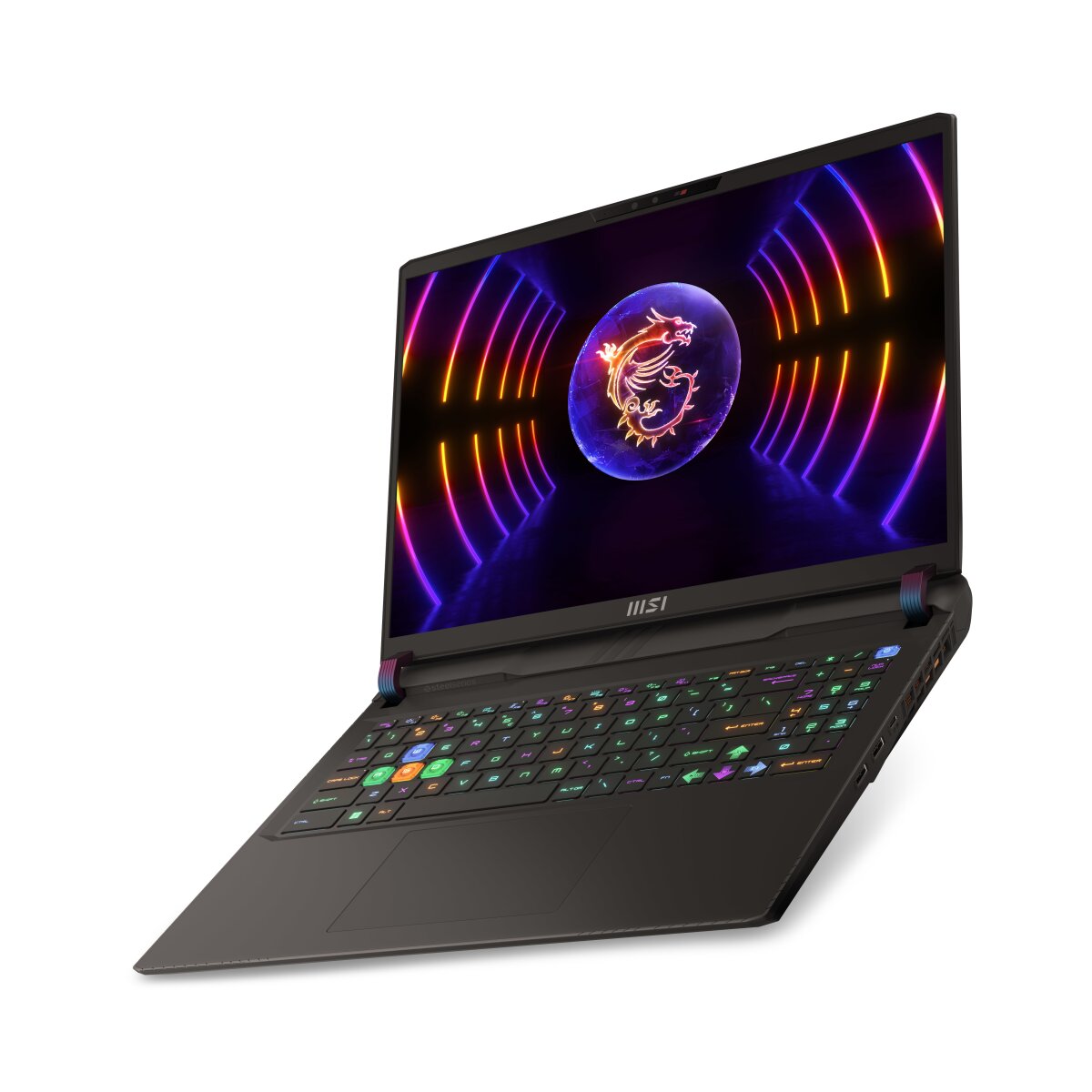
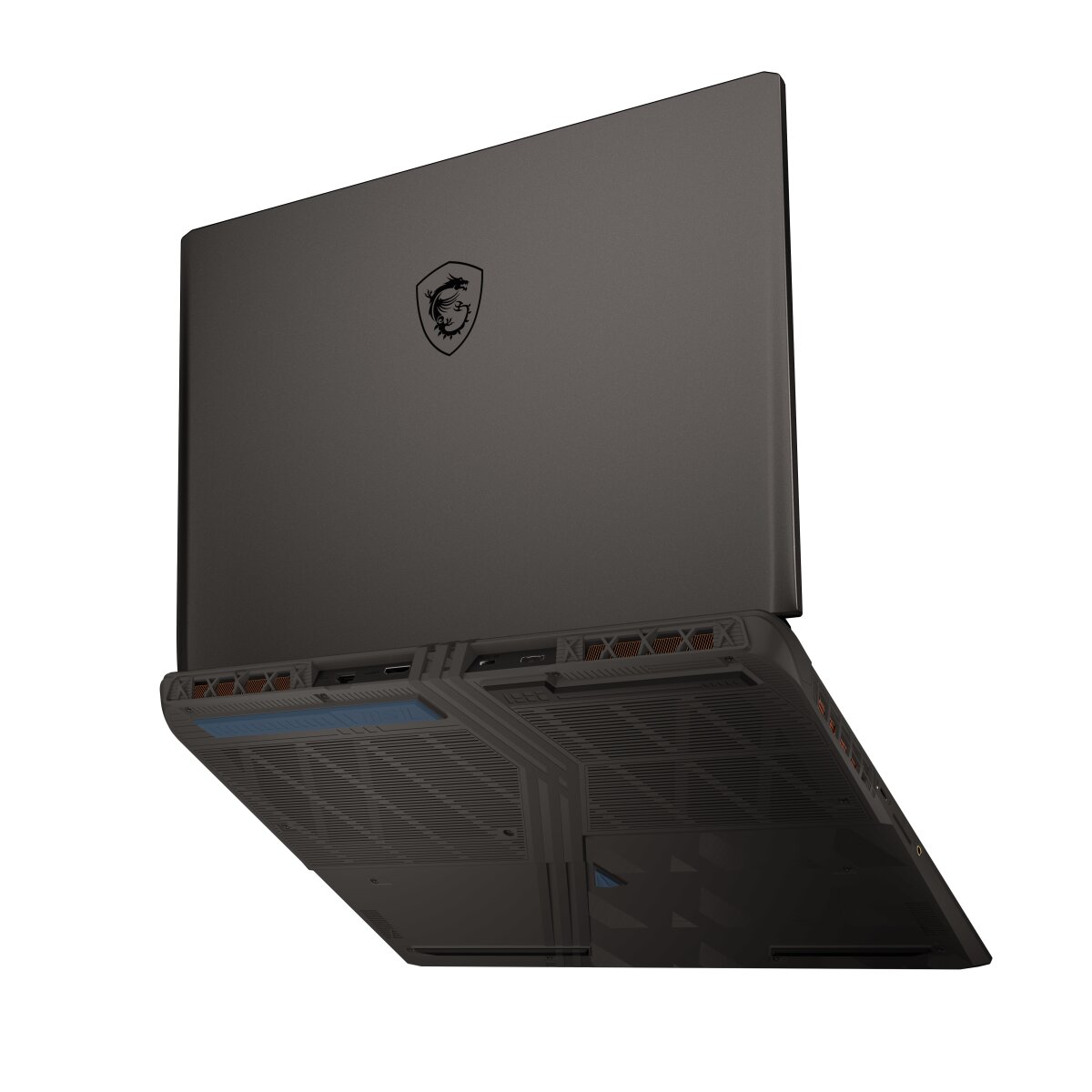
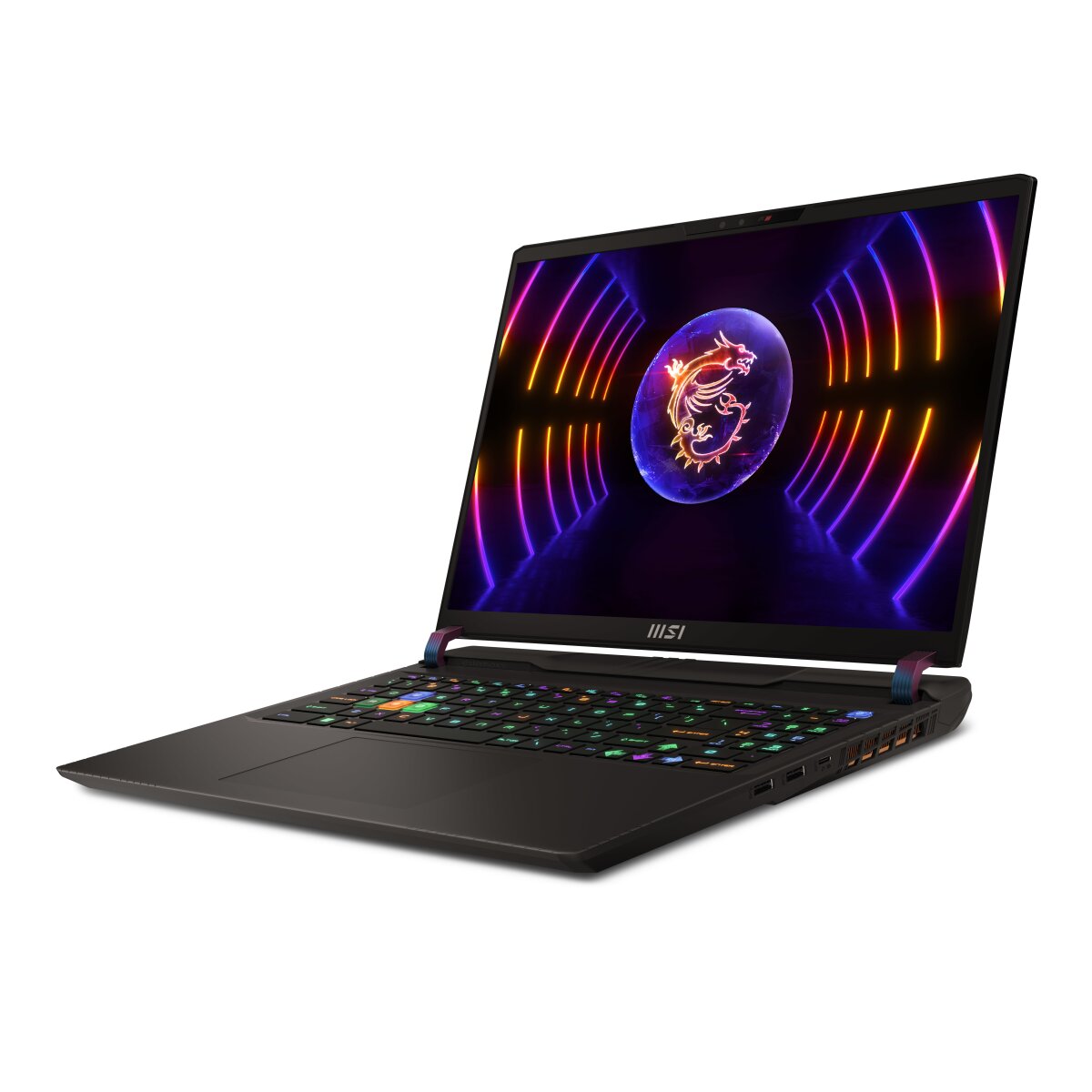
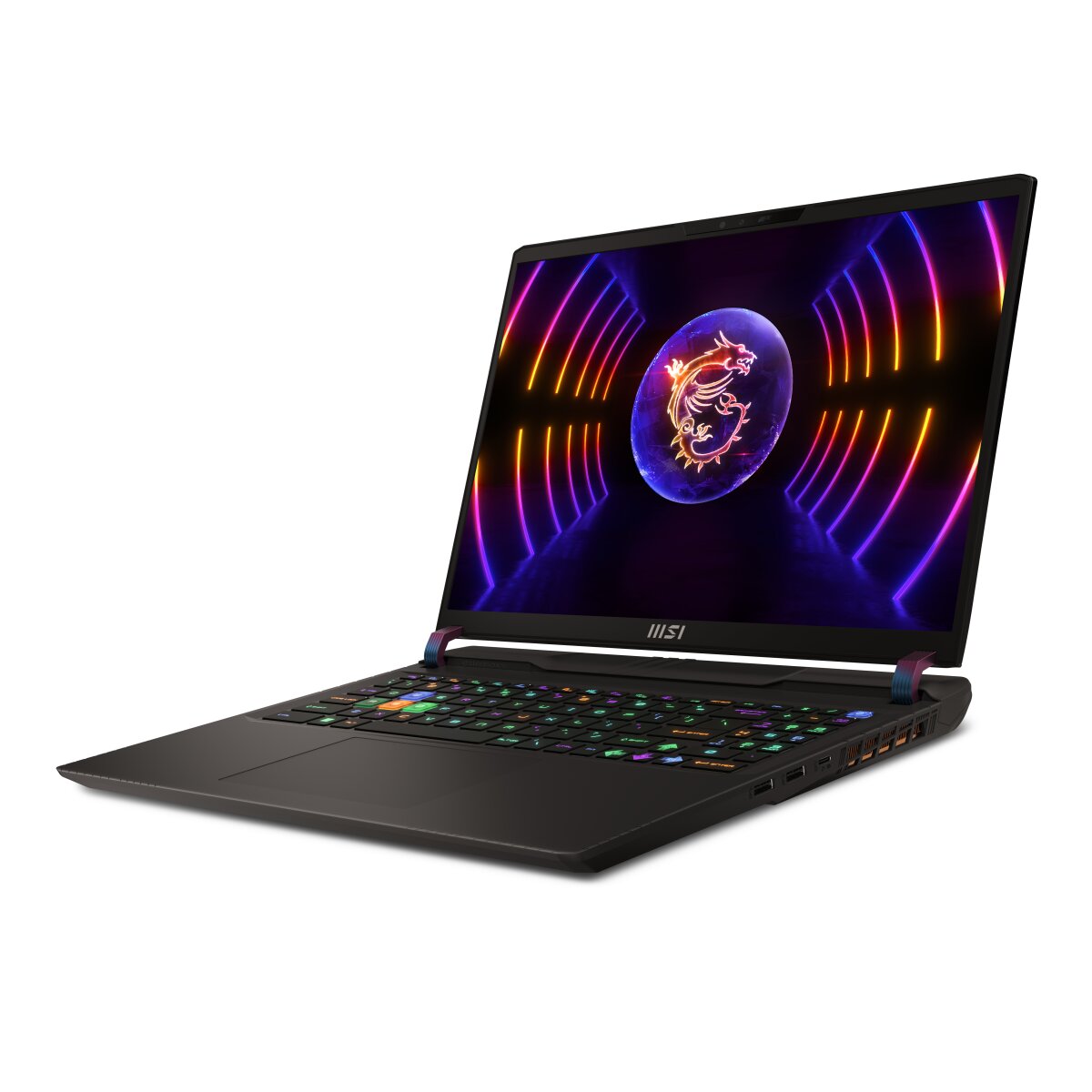
MSI Vector GP68 HX 13VH-085UK gaming laptop features DDR5-SDRAM memory upgrade capacity. The system contains 2x SO-DIMM slots supporting maximum RAM of 64 GB total capacity. Memory specifications include DDR5-SDRAM modules operating at 5600 MHz frequency. Upgrade options are compatible with SO-DIMM form factor memory modules. Current memory configuration allows expansion to specifications of 64 GB maximum capacity through the available upgrade slots.
Memory Upgrade Specifications
| Specification | Value |
|---|---|
| Memory slots | 2x SO-DIMM |
| Form factor | SO-DIMM |
| Memory type | DDR5-SDRAM |
| Frequency | 5600 MHz |
| Maximum RAM | 64 GB |
| Voltage | 1.1V |
| Number of pins | 262-pin |
| Interface | PC5 |
| PC Speed Rating | PC5-5600 (PC5-44800) |
| Bandwidth | 44.8 GB/s |
| Laptop Release date | 10 July 2023 |
Additional Notes
- The MSI Vector GP68 HX 13VH-085UK relies on DDR5 SO-DIMM modules, which cannot be substituted with older DDR4 technology due to incompatible pin configurations and voltage requirements.
- The 64 GB ceiling imposes limitations on memory-intensive workloads such as large-scale 3D rendering, extensive virtual machine deployments, or professional video editing with high-resolution footage.
- DDR5-5600 represents the validated frequency specification, though some modules marketed at higher speeds may downclock automatically to this threshold without BIOS intervention.
- The dual SO-DIMM configuration enables dual-channel operation when populated with matched capacity modules, effectively doubling theoretical memory bandwidth compared to single-channel arrangements.
- Asymmetric capacity pairings, such as combining 16 GB with 32 GB modules, may still function but could disable dual-channel mode or create flex mode conditions with reduced performance.
- Non-ECC unbuffered modules remain the only compatible option, as server-grade ECC or registered memory types will trigger incompatibility at POST.
- Access to the SO-DIMM slots typically requires bottom panel removal, which may void warranty seals depending on regional service policies and whether the manufacturer classifies memory as a user-serviceable component.
- Mixing modules from different manufacturers or with varying latency timings can cause stability issues, forcing the system to operate at the lowest common speed and loosest timings across both slots.
- The 5600 MHz native speed operates without requiring XMP or EXPO profile activation, distinguishing it from overclocked configurations that demand manual BIOS adjustments.
- Thermal throttling may occur under sustained memory-intensive operations if the chassis ventilation proves insufficient, particularly when both slots house high-density 32 GB modules generating increased heat output.