MSI Gaming Vector GP68HX 13VF-090XES RAM upgrade specifications
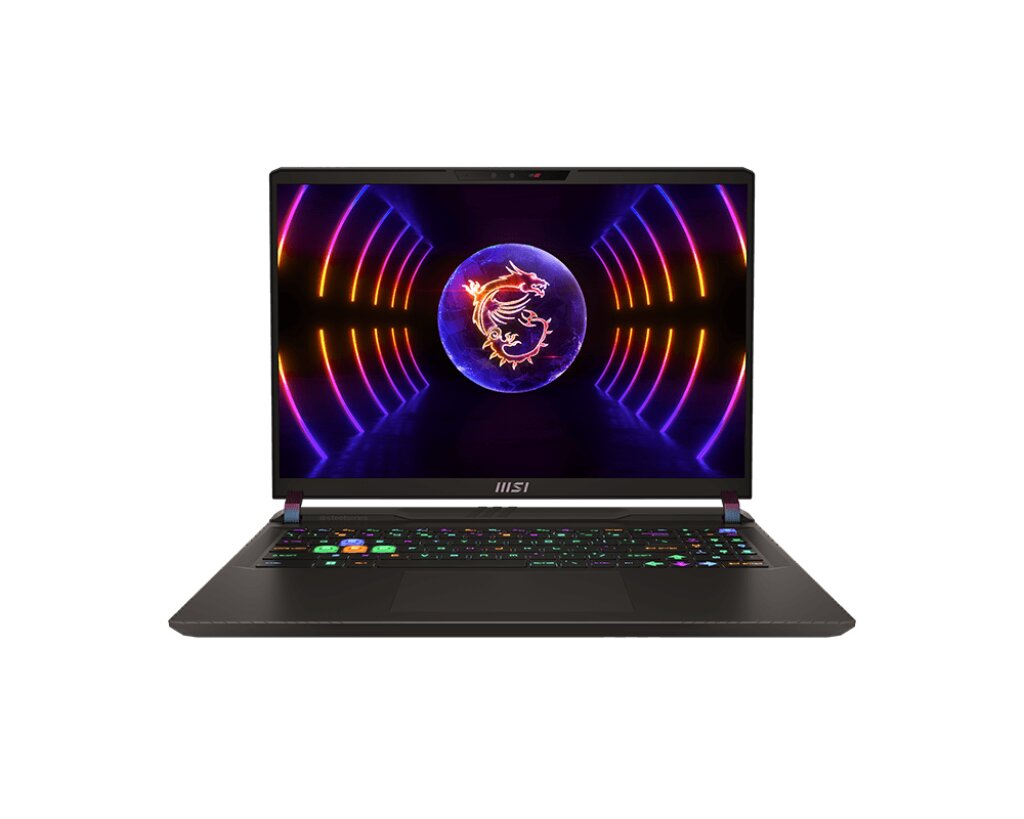
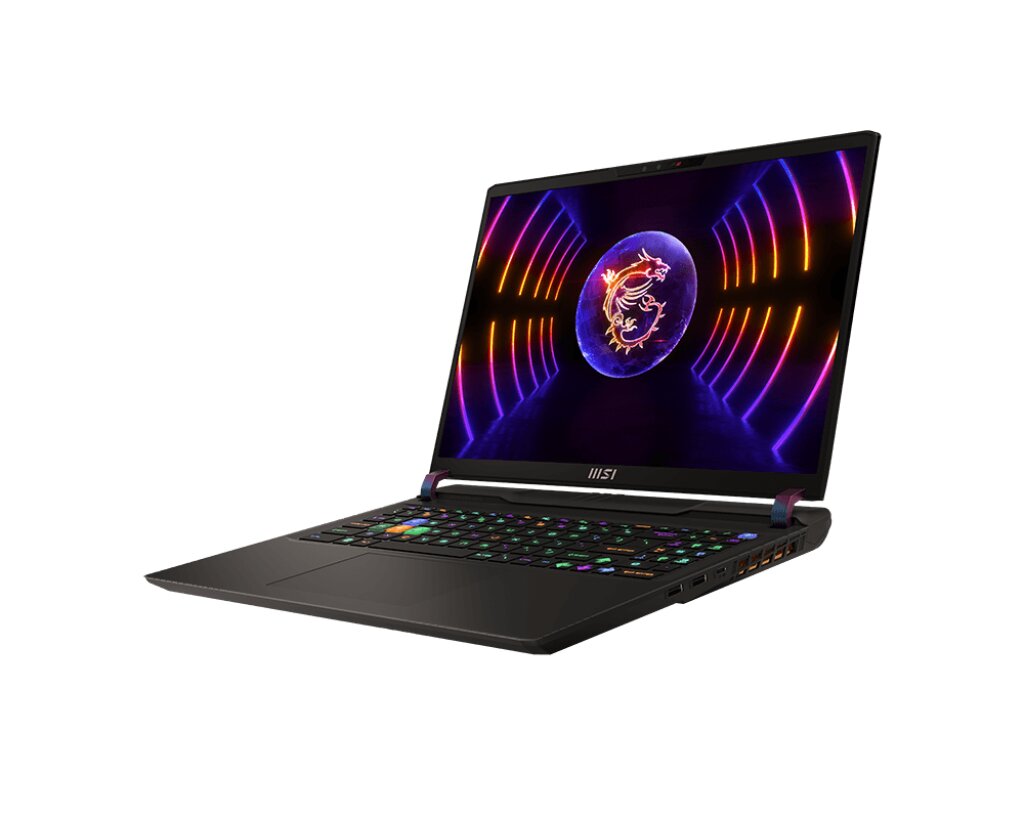
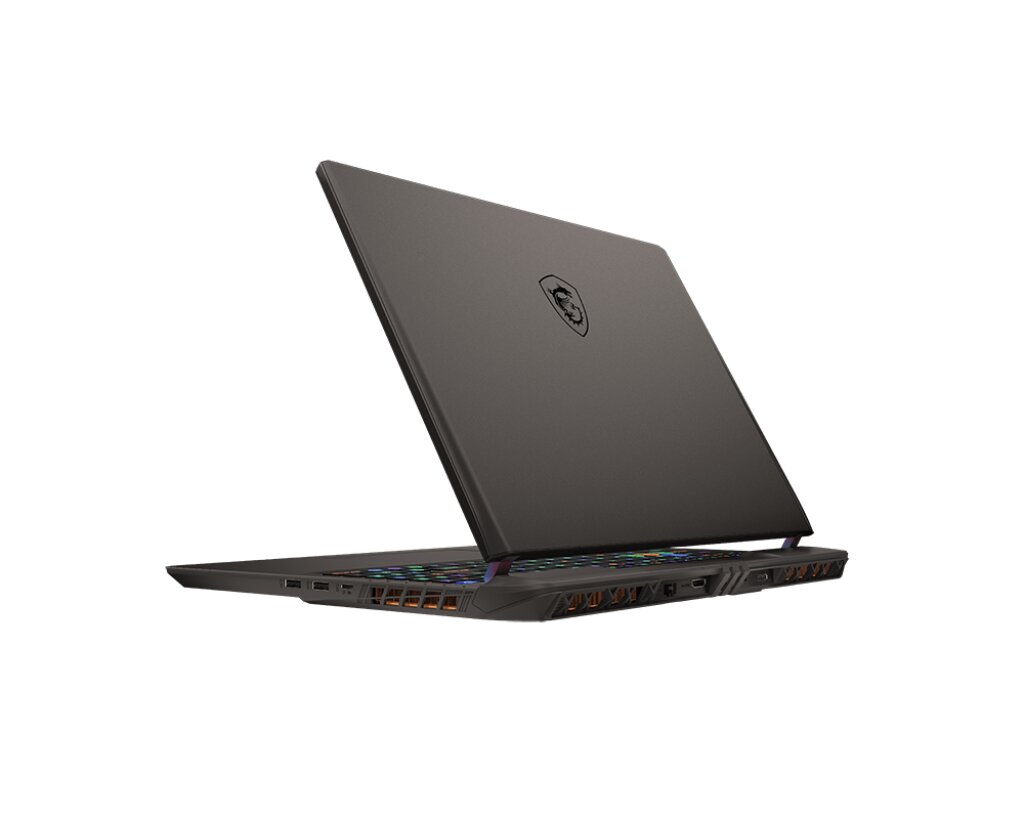
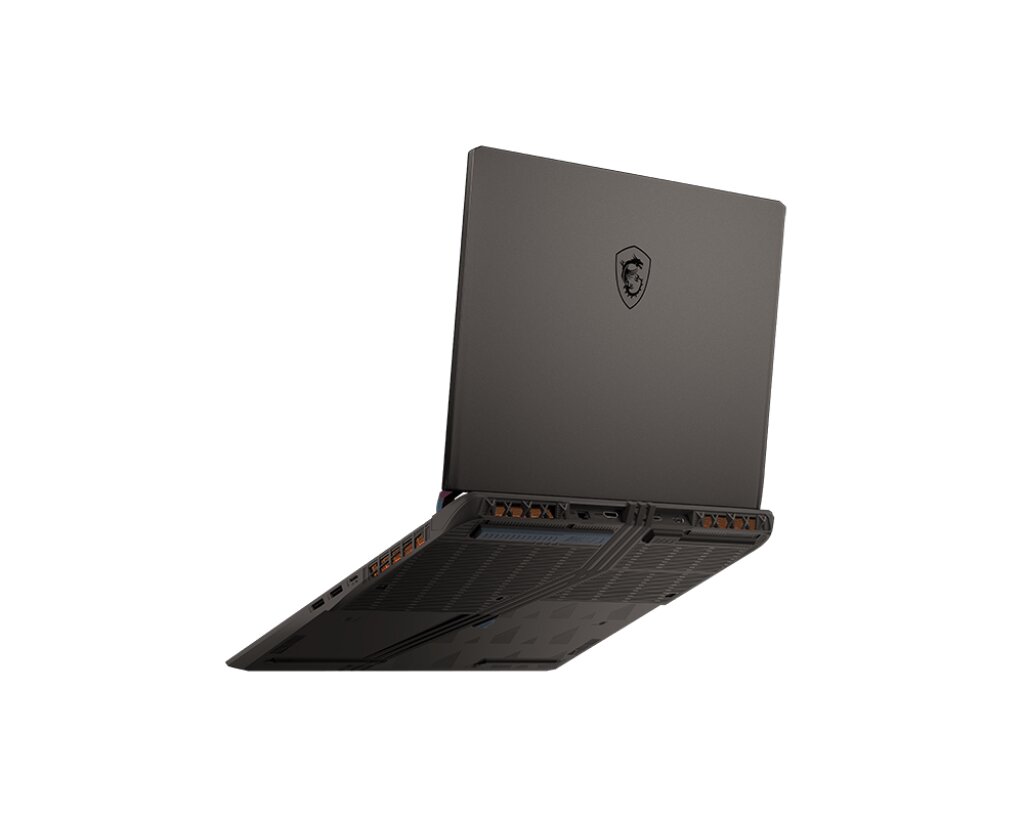
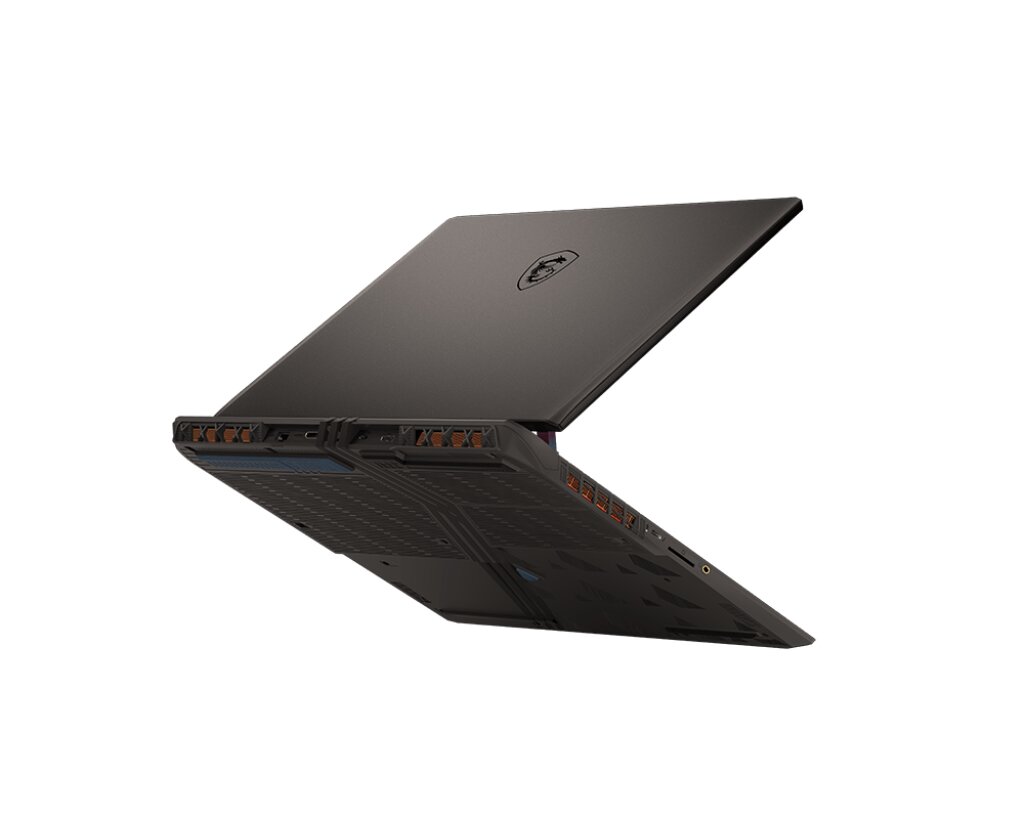
The MSI Vector GP68HX 13VF-090XES gaming laptop features DDR5-SDRAM memory specifications supporting maximum RAM capacity of 64 GB across two SO-DIMM slots. Memory upgrade components are compatible with 5600 MHz frequency operation. Specifications indicate DDR5 SO-DIMM modules function as compatible upgrade options for this Vector GP series model, enabling extended memory capacity for enhanced system performance.
Memory Upgrade Specifications
| Specification | Value |
|---|---|
| Memory slots | 2x SO-DIMM |
| Form factor | SO-DIMM |
| Memory type | DDR5-SDRAM |
| Frequency | 5600 MHz |
| Maximum RAM | 64 GB |
| Voltage | 1.1V |
| Number of pins | 262-pin |
| Interface | PC5 |
| PC Speed Rating | PC5-5600 (PC5-44800) |
| Bandwidth | 44.8 GB/s |
| Laptop Release date | 12 December 2023 |
Additional Notes
- The MSI Vector GP68HX 13VF-090XES contains 2 SO-DIMM slots operating at 5600 MHz, establishing a theoretical maximum bandwidth of approximately 89.6 GB/s per channel, sufficient for sustained GPU memory-intensive gaming workloads without saturation at typical 1440p refresh rates.
- DDR5-5600 memory operates at higher voltage tolerances than DDR4 equivalents, requiring BIOS validation before installation; mixing validated and non-validated DDR5 modules risks POST failures and potential data corruption despite physical compatibility.
- The 64 GB ceiling (32 GB per slot maximum) represents a practical limit; upgrading to matched 32 GB modules exhausts SO-DIMM capacity, leaving no headroom for future capacity expansion within the form factor.
- SO-DIMM modules generate higher thermal density than UDIMM counterparts in confined laptop chassis; sustained 3D rendering or stress testing may trigger thermal throttling if memory-adjacent airflow paths remain obstructed.
- DDR5-5600 modules are backward-incompatible with DDR4 slots; original memory must remain installed or be replaced entirely, preventing phased upgrade strategies common with prior-generation platforms.
- Dual-channel memory configuration at 5600 MHz produces latency asymmetry when populated asymmetrically (single 32 GB module); performance degradation ranges from 8-15% in CPU-bound scenarios compared to matched dual-module configurations.
- JEDEC standardization for DDR5-5600 SO-DIMM remains loose; modules from manufacturers using non-standard SPD profiles may require manual frequency downclocking to 4800 MHz within BIOS to achieve stability.