MSI Gaming Vector GP68HX 13VG-086NL RAM upgrade specifications
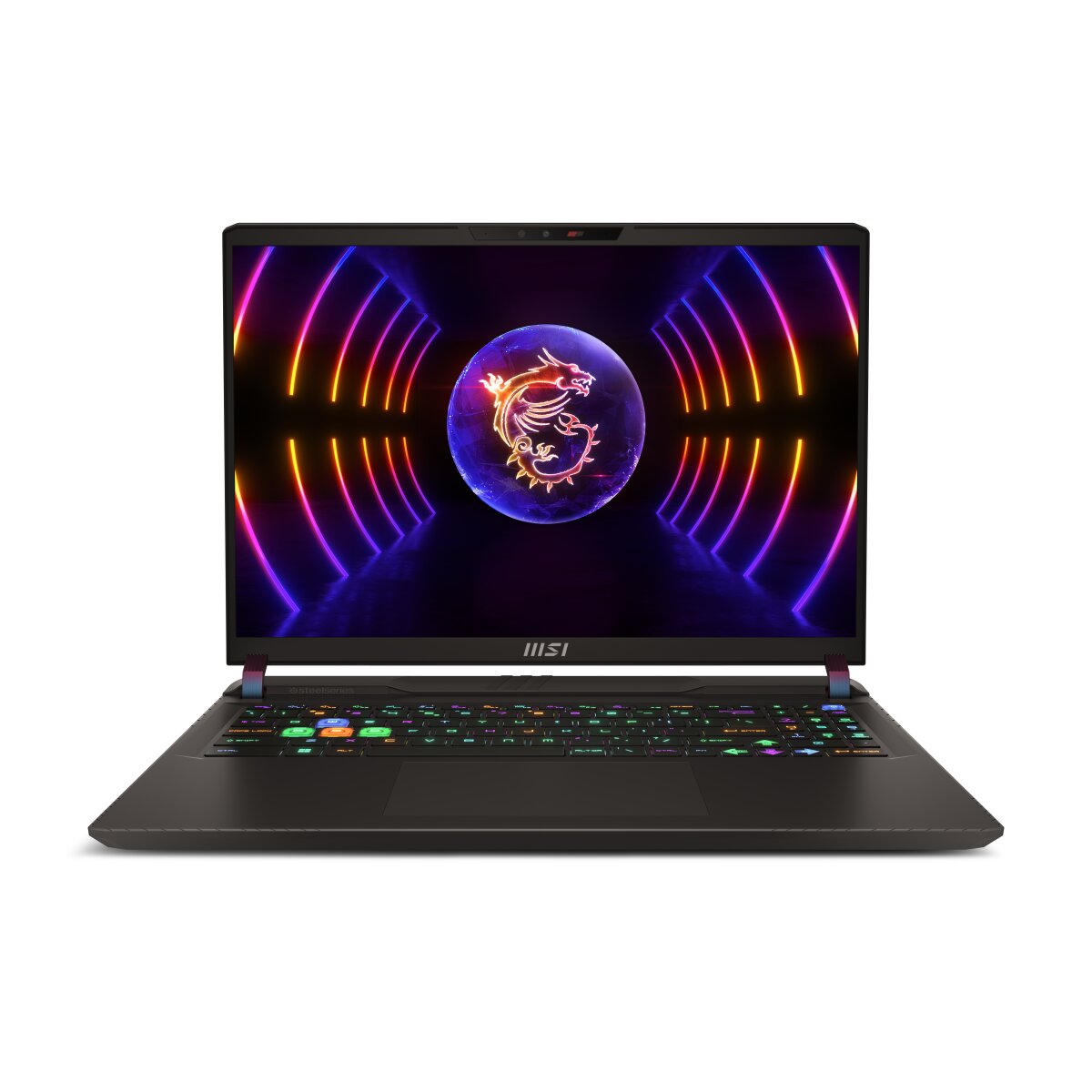
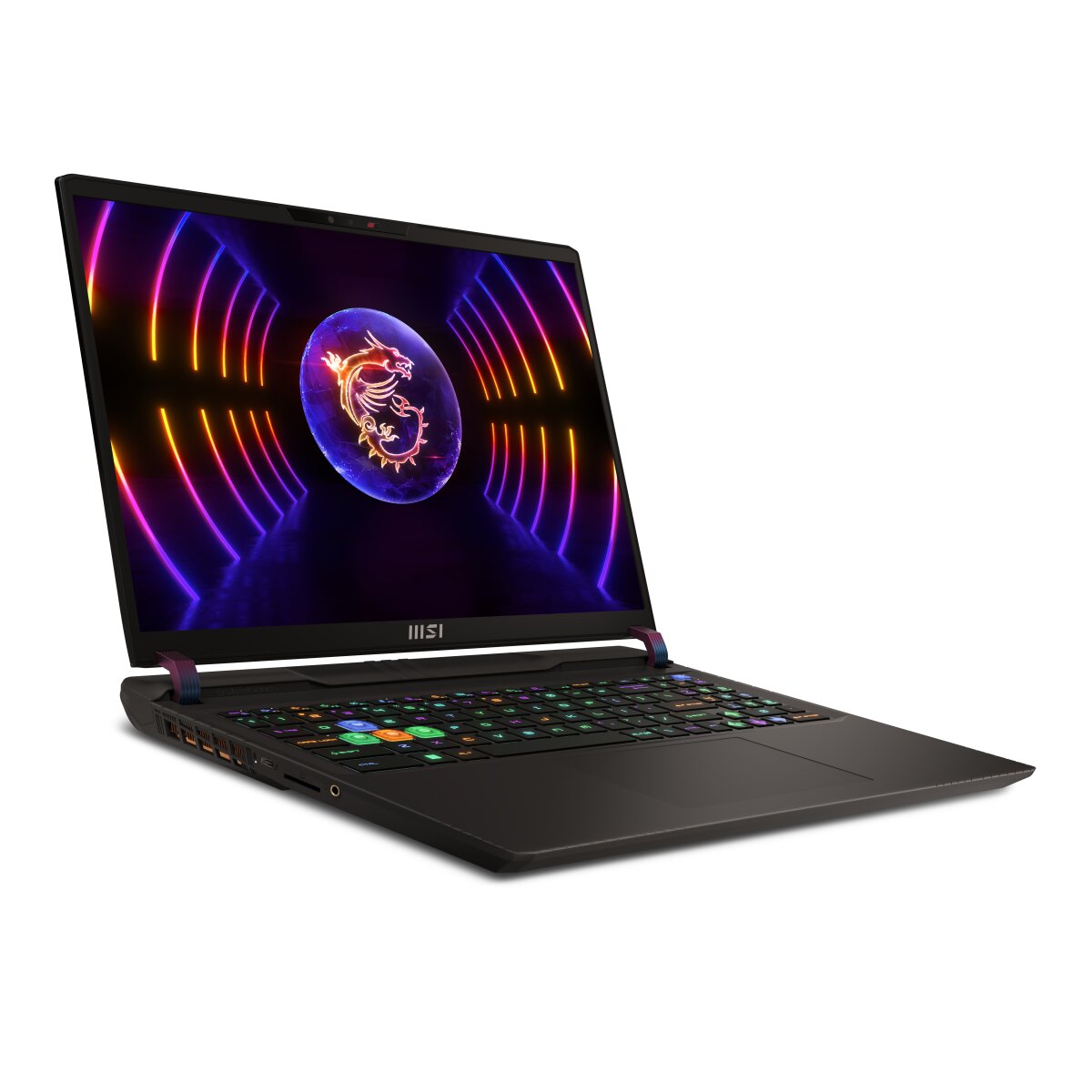
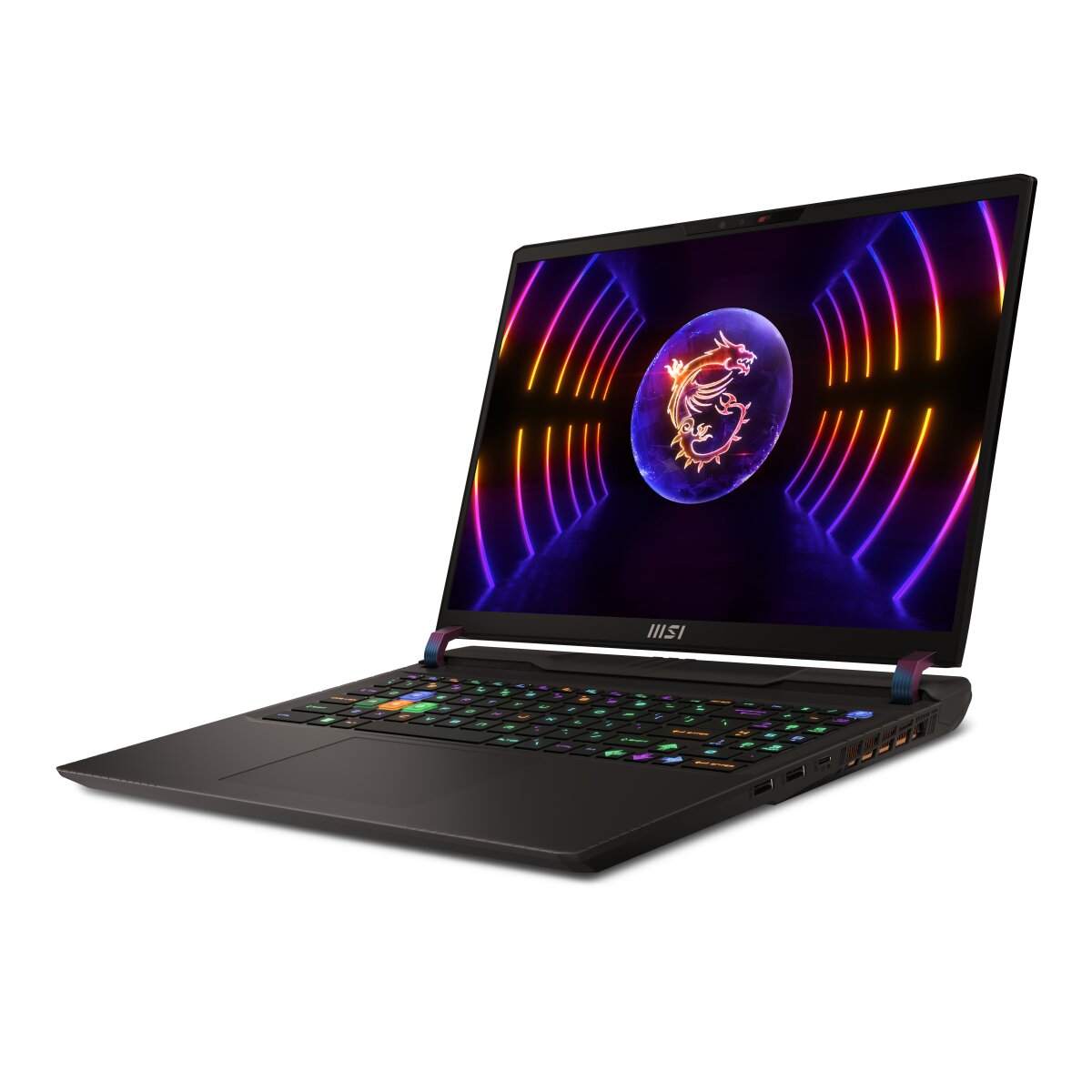
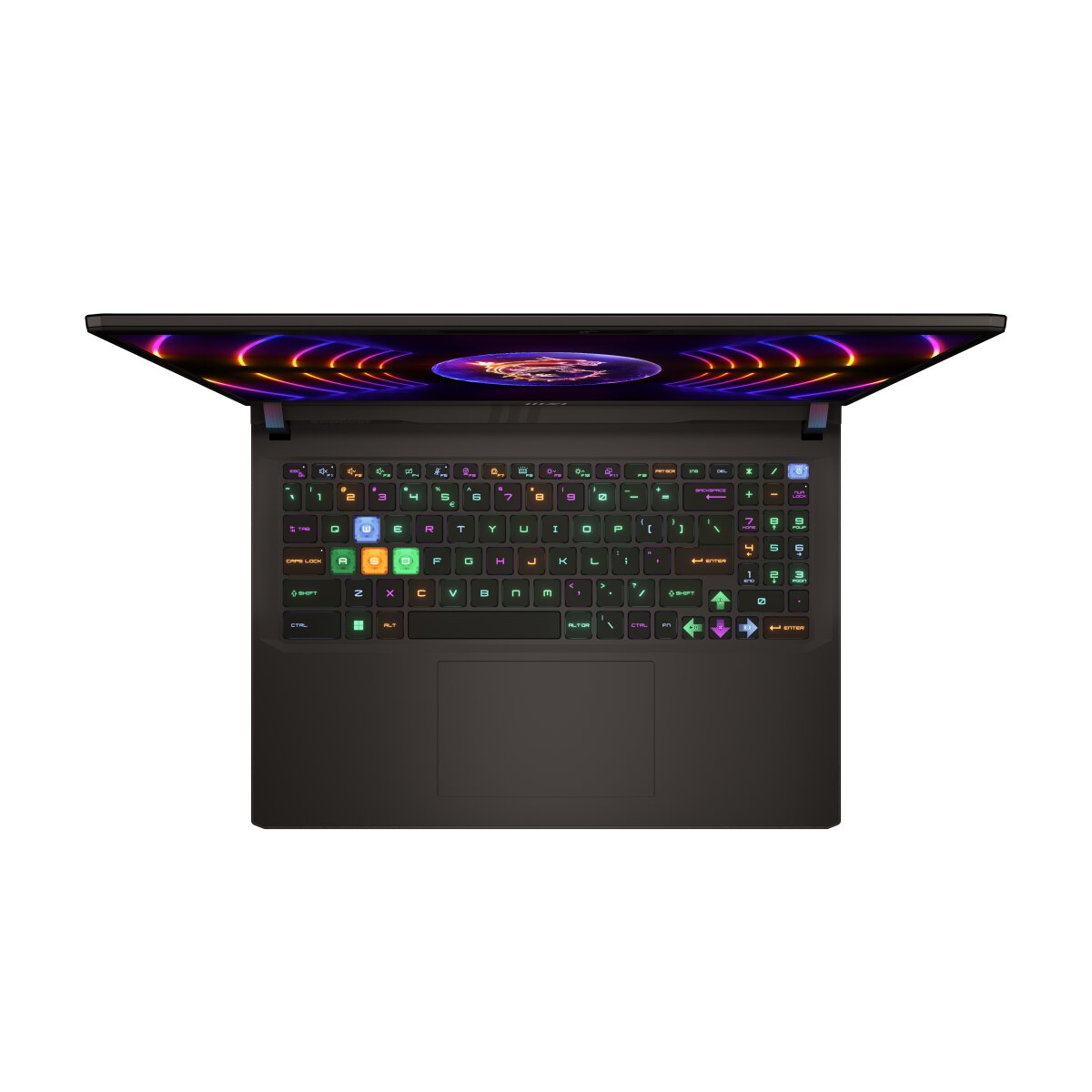
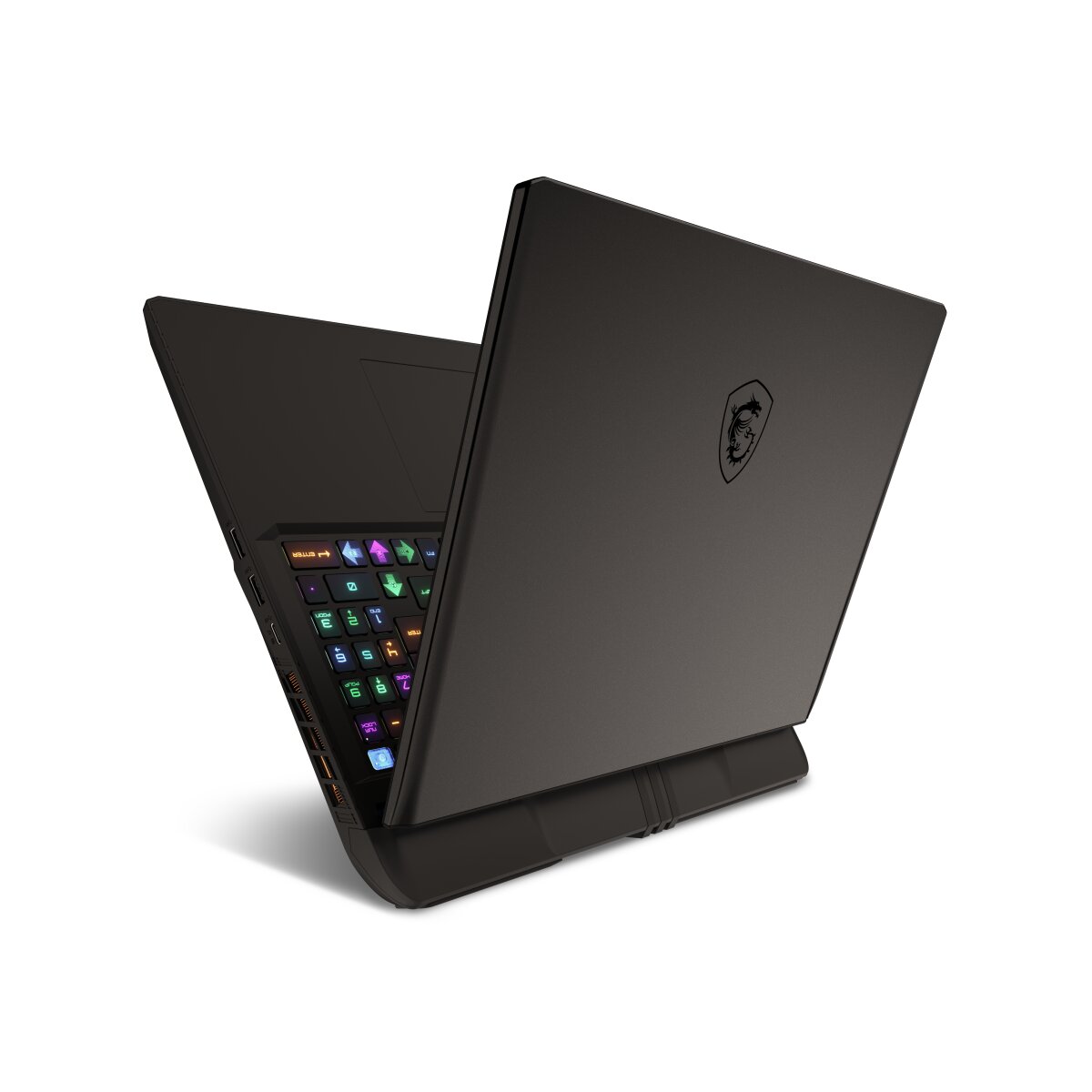
The MSI Vector GP68HX 13VG-086NL gaming laptop features DDR5-SDRAM memory upgrade specifications. The device contains 2x SO-DIMM slots compatible with DDR5 memory modules operating at 5600 MHz frequency. Maximum memory capacity supported is 64 GB total RAM. Upgrade options utilize standard SO-DIMM form factor modules. This MSI Gaming Series Vector GP model provides dual-channel memory configuration for enhanced performance in gaming and demanding applications.
Memory Upgrade Specifications
| Specification | Value |
|---|---|
| Memory slots | 2x SO-DIMM |
| Form factor | SO-DIMM |
| Memory type | DDR5-SDRAM |
| Frequency | 5600 MHz |
| Maximum RAM | 64 GB |
| Voltage | 1.1V |
| Number of pins | 262-pin |
| Interface | PC5 |
| PC Speed Rating | PC5-5600 (PC5-44800) |
| Bandwidth | 44.8 GB/s |
| Laptop Release date | 25 March 2023 |
Additional Notes
- The DDR5-5600 specification establishes a minimum system requirement that prevents downgrading to DDR4 modules, as the memory controller architecture is physically incompatible with previous generation SDRAM.
- The 64 GB ceiling requires 2x32 GB module configuration, as the dual-slot design offers no alternative pathway to reach maximum capacity with smaller density modules.
- JEDEC-compliant DDR5 modules will default to 4800 MHz until XMP/EXPO profiles are manually activated in BIOS, meaning rated frequency achievement depends on user intervention rather than automatic detection.
- SO-DIMM 262-pin contact layout excludes standard DIMM desktop memory physically, as the 288-pin desktop form factor cannot seat in notebook-specific slots regardless of electrical compatibility.
- Dual-channel operation requires matched pair installation, where mismatched module speeds will force both modules to operate at the slower rated frequency, creating performance asymmetry.
- The MSI Vector GP68HX 13VG-086NL implementation supports unbuffered (non-ECC) modules exclusively, preventing error-correcting memory installation despite SO-DIMM form factor availability in workstation-grade configurations.
- Memory replacement requires bottom panel disassembly rather than dedicated access door entry, extending service time and introducing potential warranty seal integrity concerns during self-upgrade procedures.
- Operating voltage specification at 1.1V nominal for DDR5 architecture reduces thermal overhead compared to legacy 1.2V DDR4 systems, but eliminates voltage adjustment as a stability troubleshooting variable.
- CAS latency absolute values increase numerically with DDR5 despite improved effective latency through higher frequency, meaning CL40-46 ranges represent equivalent real-world response times to DDR4-3200 CL22 configurations.
- The 5600 MHz frequency bandwidth enables 89.6 GB/s theoretical dual-channel throughput, creating sufficient headroom for integrated graphics frame buffer allocation without starving CPU compute operations.