MSI Gaming Vector GP68HX 13VG-089ES RAM upgrade specifications
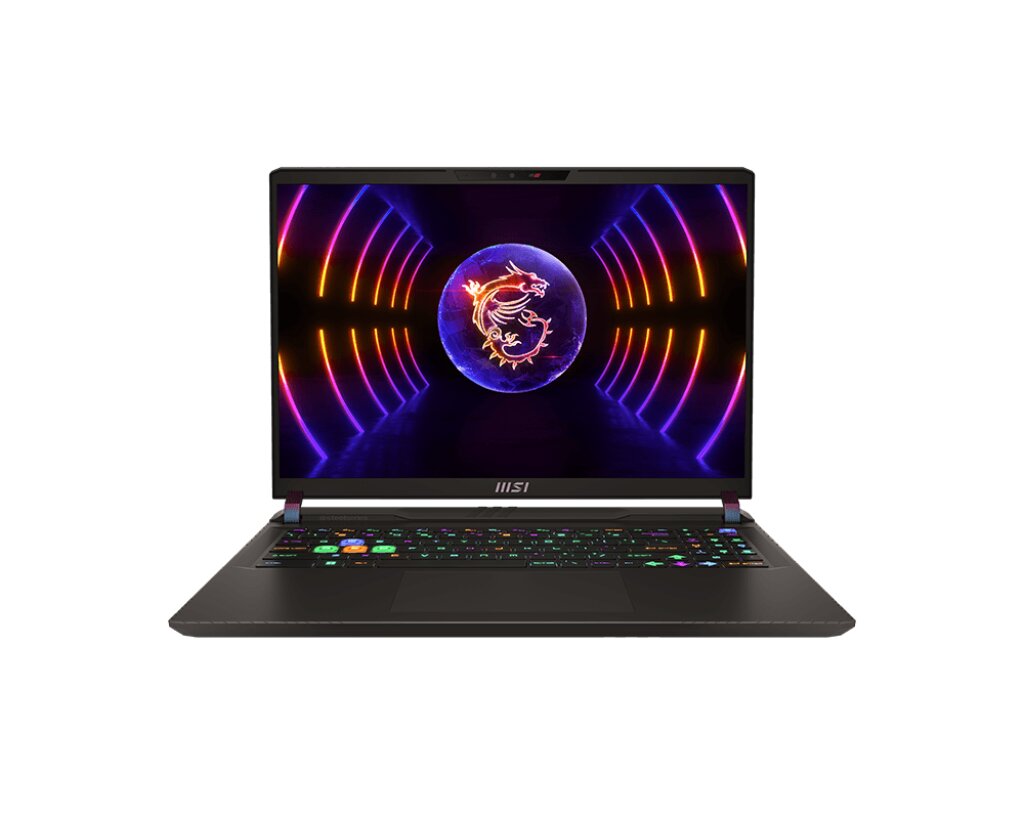
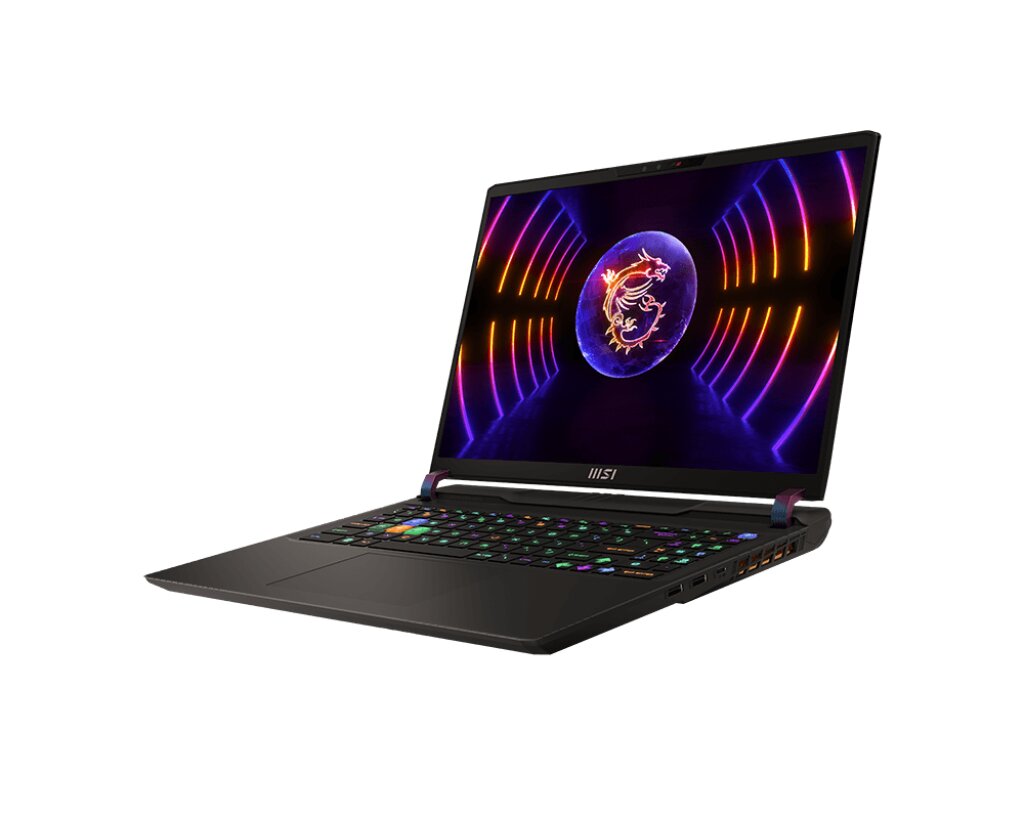
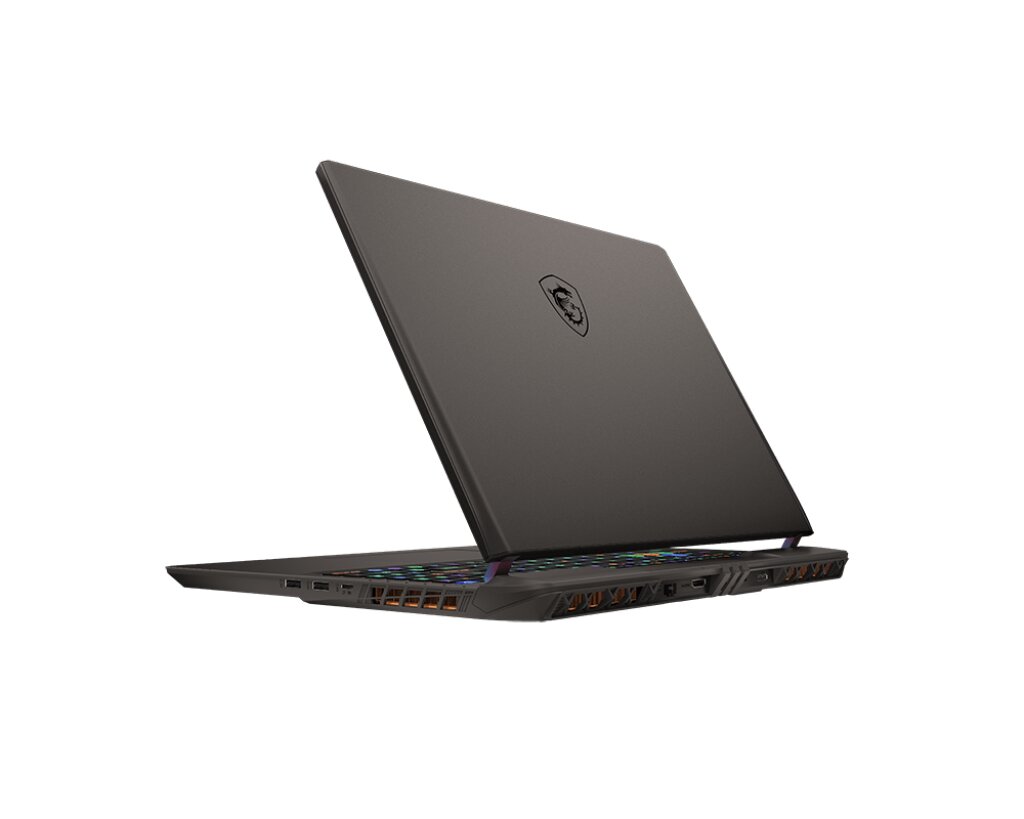
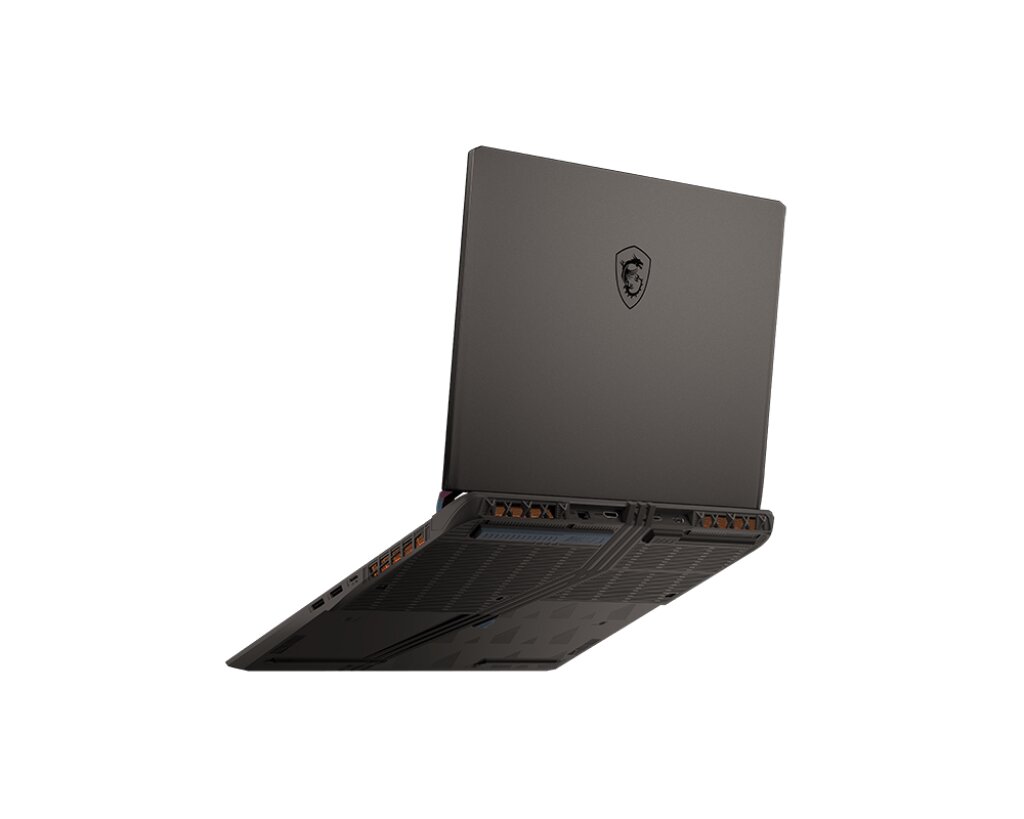
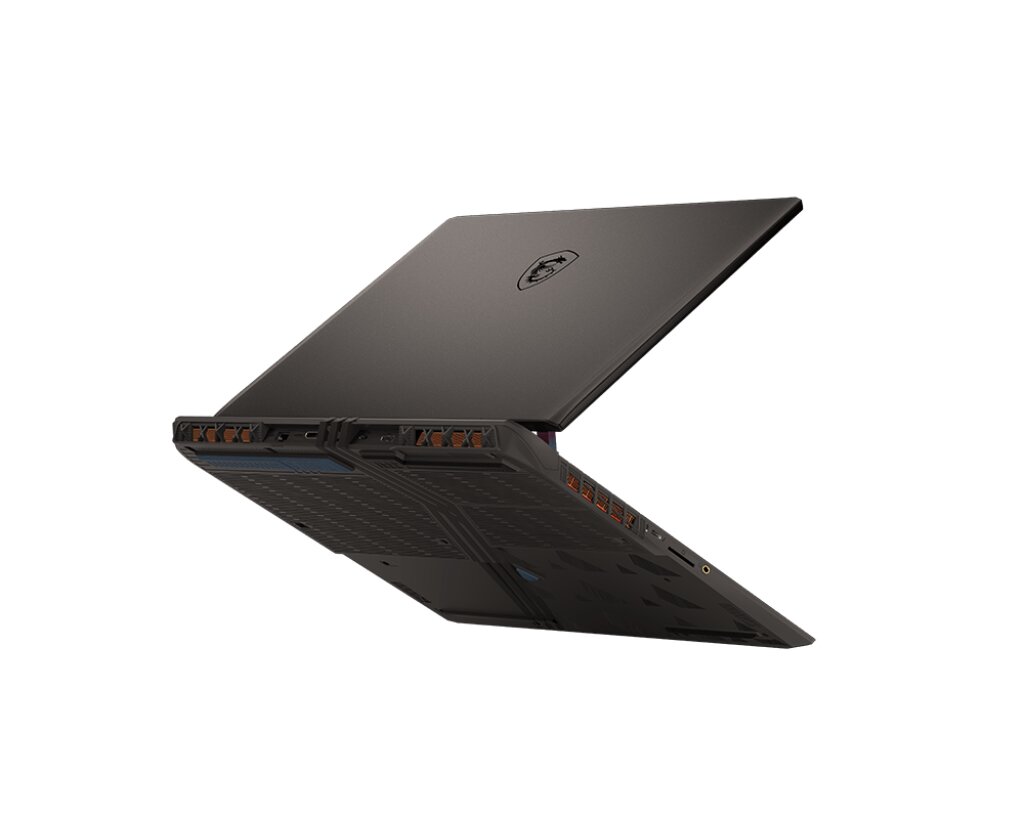
MSI Vector GP68HX 13VG-089ES gaming laptop features DDR5-SDRAM memory upgrade capability with 2x SO-DIMM slots supporting maximum capacity of 64 GB. Memory specifications include 5600 MHz frequency with SO-DIMM form factor. Compatible RAM upgrades enable expansion from factory configuration to maximum RAM capacity. Specifications indicate dual-slot architecture for memory expansion on the GP series Vector model.
Memory Upgrade Specifications
| Specification | Value |
|---|---|
| Memory slots | 2x SO-DIMM |
| Form factor | SO-DIMM |
| Memory type | DDR5-SDRAM |
| Frequency | 5600 MHz |
| Maximum RAM | 64 GB |
| Voltage | 1.1V |
| Number of pins | 262-pin |
| Interface | PC5 |
| PC Speed Rating | PC5-5600 (PC5-44800) |
| Bandwidth | 44.8 GB/s |
| Laptop Release date | 25 March 2023 |
Additional Notes
- The 64 GB ceiling is imposed by the chipset's memory controller architecture, preventing future expansion beyond this threshold regardless of module availability.
- DDR5-5600 operates with higher minimum latency cycles compared to DDR4 at equivalent CAS ratings, meaning CL40 DDR5 may exhibit similar absolute latency to CL18 DDR4 despite the frequency advantage.
- Dual-channel population is mandatory for this MSI Vector GP68HX 13VG-089ES configuration, as single-module installation will halve memory bandwidth and severely impact integrated graphics performance during hybrid GPU operation.
- SO-DIMM voltage tolerance typically ranges between 1.1V and 1.25V for DDR5, with modules exceeding this specification potentially triggering thermal throttling in the confined laptop chassis.
- JEDEC-standard unbuffered modules are required, as registered or load-reduced DIMMs designed for server platforms will not initialize during POST.
- Mixed-capacity configurations such as 16 GB plus 32 GB will function but may disable flex mode on the secondary channel, reducing effective bandwidth for memory access patterns exceeding the smaller module's capacity.
- Intel XMP 3.0 profiles may not engage automatically and could require manual BIOS enablement, with stability dependent on the specific 13th-generation CPU's integrated memory controller quality variance.
- The 5600 MHz native frequency eliminates the stability risks associated with overclocked DDR4 kits, as this speed represents the JEDEC baseline rather than an enthusiast overclock.
- Module height exceeding 32mm may create interference with the cooling assembly's heat spreader contact points, depending on internal chassis tolerances.
- Warranty preservation typically requires adherence to manufacturer-specified speeds and capacities, with 5600 MHz representing the safe threshold before extended profiles potentially void coverage terms.
- Error correction code modules will physically install but remain non-functional, as mobile platforms lack the chipset-level ECC support present in workstation-class systems.