MSI Gaming GS63 7RE-098IT Stealth Pro RAM upgrade specifications
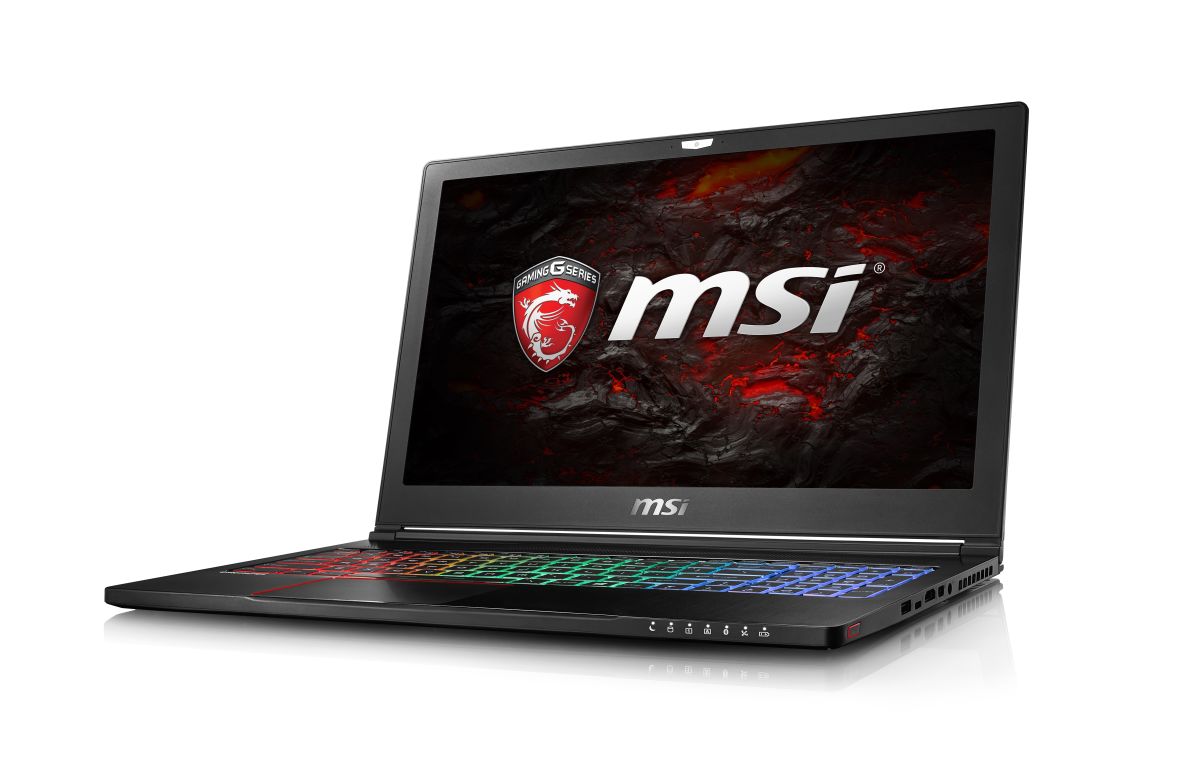

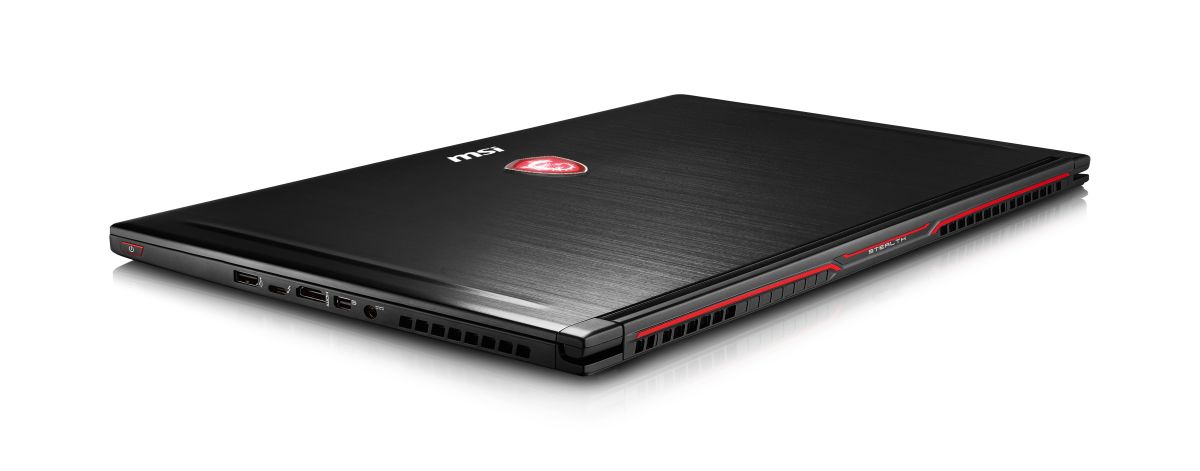
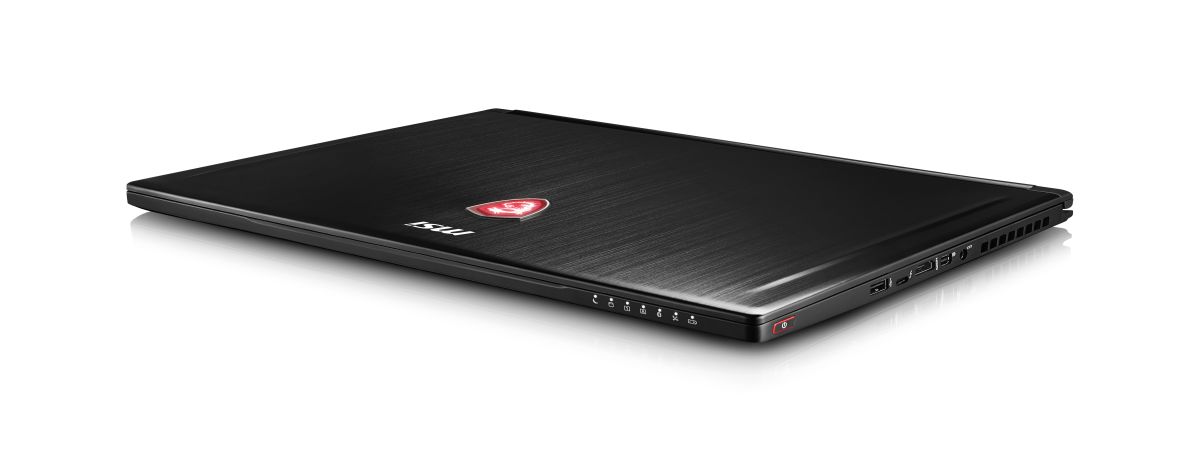
MSI GS63 7RE-098IT Stealth Pro Gaming series laptop features DDR4-SDRAM memory upgrade specifications. The system includes two SO-DIMM memory slots, supporting a maximum RAM capacity of 32 GB. Compatible memory modules operate at 2400 MHz frequency. Upgrade options allow installation of DDR4 SO-DIMM modules to expand the existing memory configuration. These specifications define the maximum and compatible memory upgrade parameters for the GS63 7RE-098IT Stealth Pro model.
Memory Upgrade Specifications
| Specification | Value |
|---|---|
| Memory slots | 2x SO-DIMM |
| Form factor | SO-DIMM |
| Memory type | DDR4-SDRAM |
| Frequency | 2400 MHz |
| Maximum RAM | 32 GB |
| Voltage | 1.2V |
| Number of pins | 260-pin |
| Interface | PC4 |
| PC Speed Rating | PC4-2400 (PC4-19200) |
| Bandwidth | 19.2 GB/s |
| Laptop Release date | 21 March 2018 |
Additional Notes
- The MSI GS63 7RE-098IT Stealth Pro requires small outline dual in-line memory modules rather than full-sized desktop components, limiting options to laptop-specific RAM products.
- The 32 GB ceiling reflects chipset architecture limitations common in 7th generation Intel mobile platforms, preventing future expansion beyond this threshold regardless of operating system support.
- Both slots must remain accessible without motherboard removal for user-serviceable upgrades, though the compact chassis may require bottom panel disassembly and cable management awareness.
- Mixing modules with different speeds will force all installed RAM to operate at the lowest common frequency, potentially degrading performance if pairing 2400 MHz with higher-rated sticks.
- Single-channel configurations using only one populated slot will halve memory bandwidth compared to dual-channel setups, creating measurable bottlenecks in GPU-intensive gaming workloads.
- Non-standard voltage modules, particularly low-voltage variants rated below 1.2V or performance kits exceeding this specification, may cause POST failures or system instability.
- The 2400 MHz specification represents the validated compatibility threshold, while higher frequency modules may physically install but automatically downclock to this supported speed.
- Warranty preservation typically allows RAM upgrades without seal breakage concerns, though verifying regional service policies prevents accidental coverage voidance.
- Thermal constraints in slim gaming chassis designs make heat spreader height a critical consideration, as oversized modules may interfere with cooling assemblies or keyboard deck clearance.
- Asymmetric capacity configurations such as 8 GB plus 16 GB will function but may prevent optimal dual-channel interleaving across the full capacity range.