MSI Gaming GS63 8RD-008FR Stealth RAM upgrade specifications
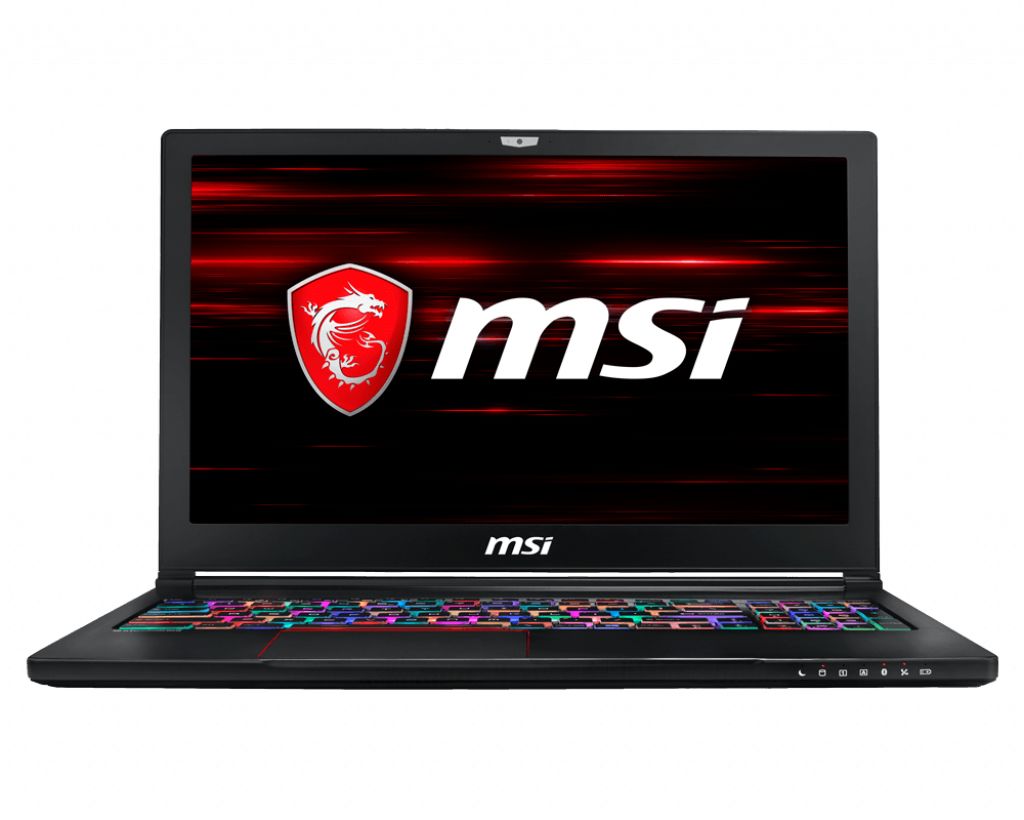
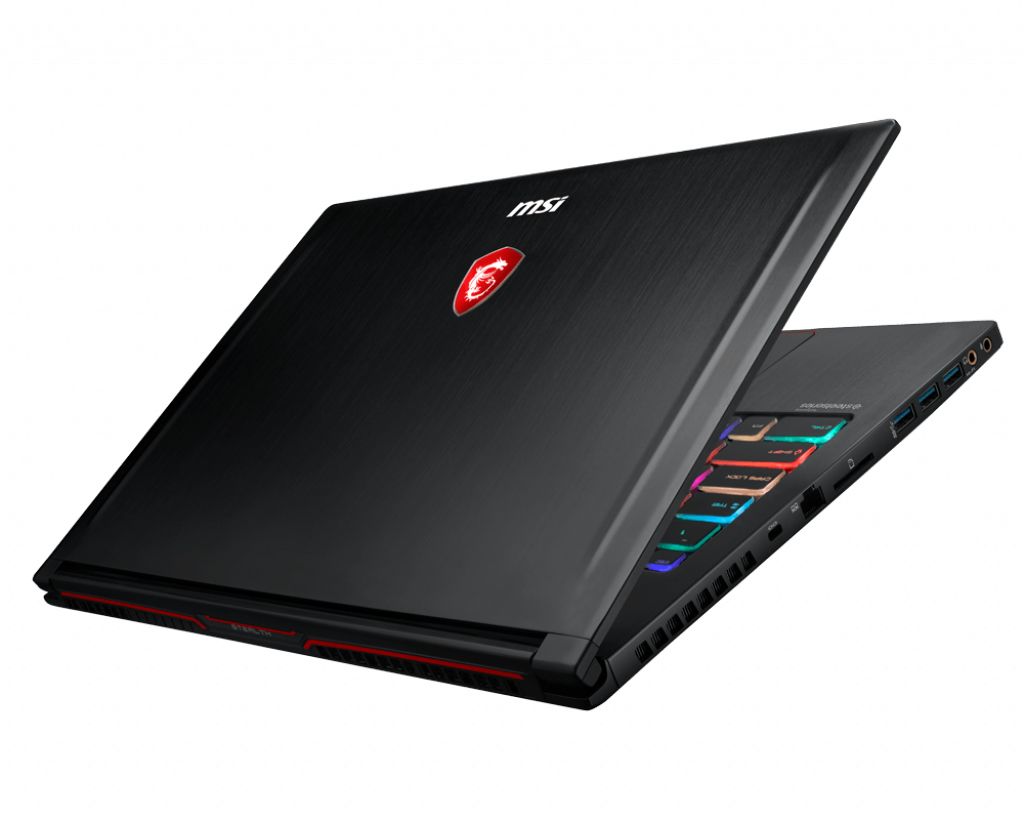
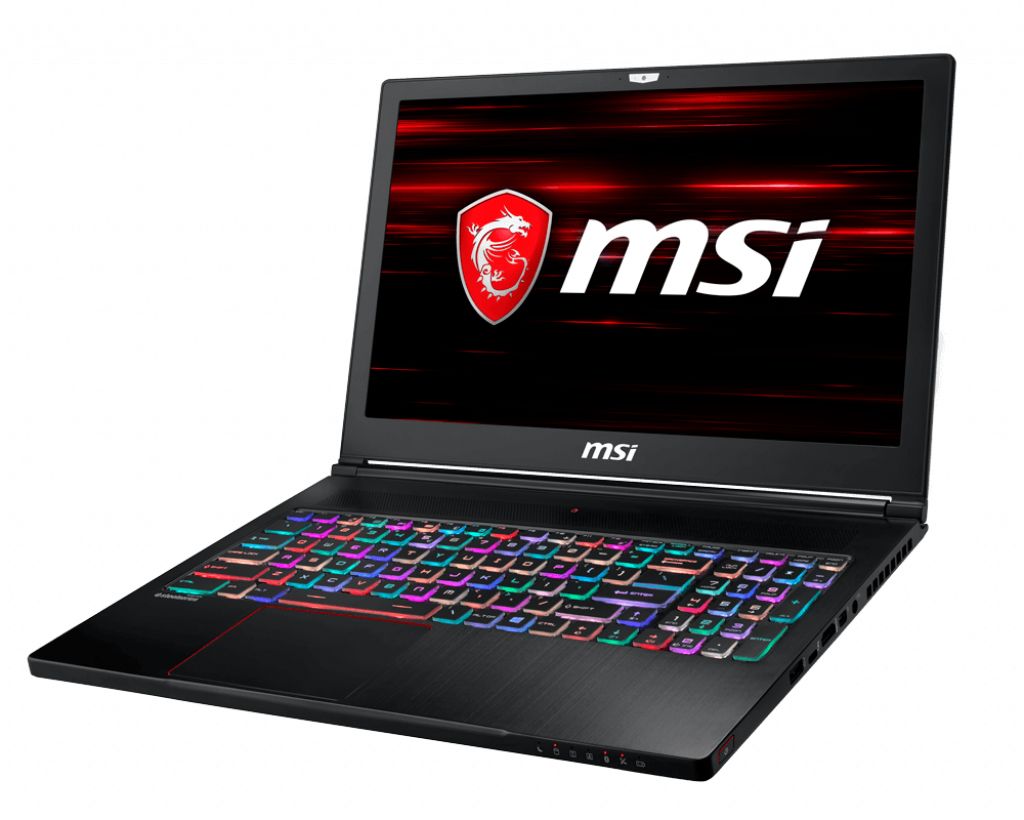
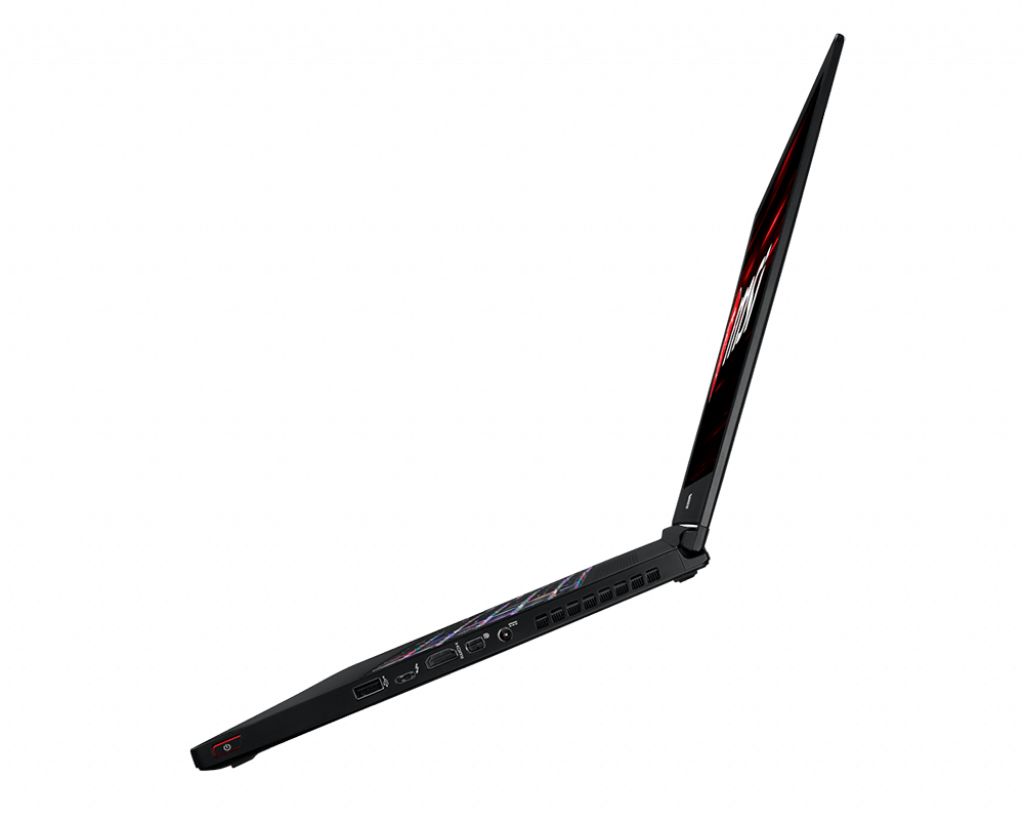
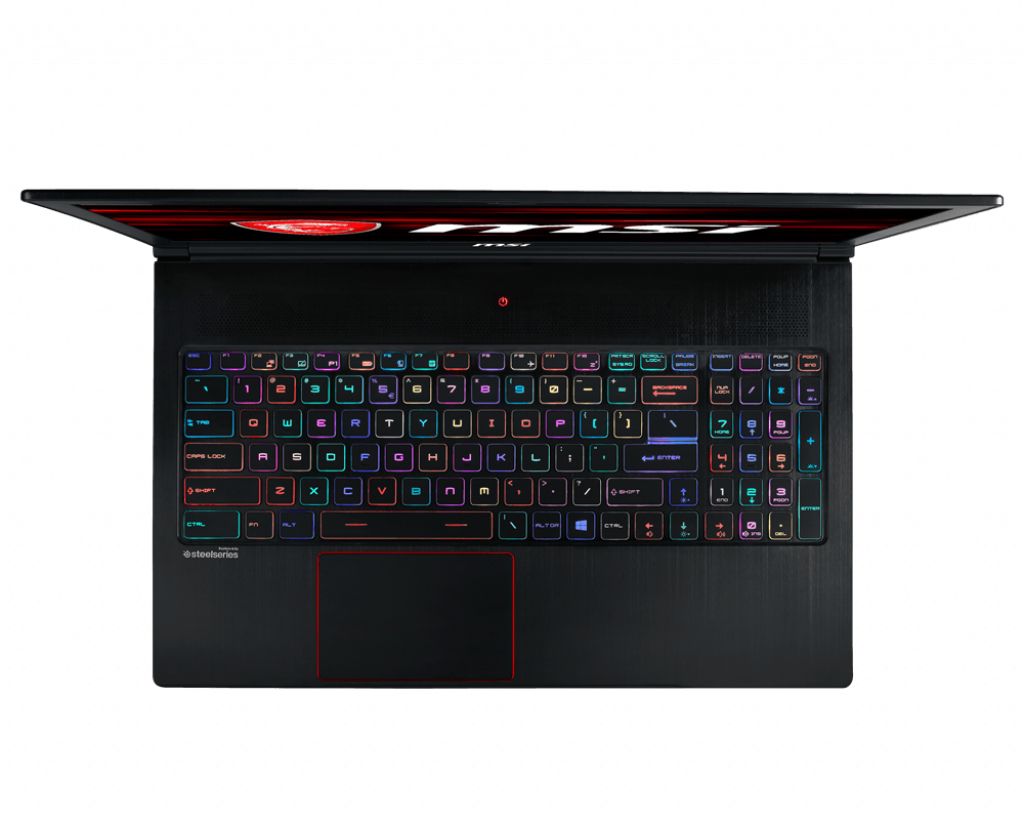
MSI GS63 8RD-008FR Stealth gaming laptop RAM upgrade specifications indicate DDR4-SDRAM memory compatibility. The laptop contains two SO-DIMM slots, supporting maximum RAM capacity of 32 GB total. Compatible memory modules operate at 2400 MHz frequency with SO-DIMM form factor. Upgrade configurations allow installation of matched pairs to achieve the maximum specifications. Current memory capacity and additional details regarding populated slots require individual system verification.
Memory Upgrade Specifications
| Specification | Value |
|---|---|
| Memory slots | 2x SO-DIMM |
| Form factor | SO-DIMM |
| Memory type | DDR4-SDRAM |
| Frequency | 2400 MHz |
| Maximum RAM | 32 GB |
| Voltage | 1.2V |
| Number of pins | 260-pin |
| Interface | PC4 |
| PC Speed Rating | PC4-2400 (PC4-19200) |
| Bandwidth | 19.2 GB/s |
| Laptop Release date | 31 August 2019 |
Additional Notes
- The MSI GS63 8RD-008FR Stealth accepts SO-DIMM modules exclusively, making standard desktop DIMM memory physically incompatible regardless of specifications.
- The 2400 MHz frequency cap is enforced by the chipset, meaning higher-speed modules rated at 2666 MHz or 3200 MHz will downclock to 2400 MHz and provide no performance benefit.
- The 32 GB ceiling requires 2 modules of 16 GB each in dual-channel configuration, as single 32 GB SO-DIMM modules exceed the per-slot capacity limit of this platform.
- Mixing memory modules with different frequencies forces the system to operate all modules at the speed of the slowest stick, creating an unnecessary bottleneck.
- Non-matching module capacities disable dual-channel mode or limit it to the size of the smallest stick, reducing memory bandwidth by approximately 50 percent in affected scenarios.
- Voltage mismatches between 1.2V DDR4 and older 1.35V or 1.5V standards can prevent POST or cause stability issues under load.
- ECC SO-DIMM modules are incompatible with this consumer-grade platform, as the chipset lacks error-correction support despite physical fitment.
- The SO-DIMM form factor limits thermal headroom compared to desktop modules, making sustained high-frequency operation more dependent on chassis ventilation.
- Both slots must remain accessible without motherboard removal to preserve warranty coverage, as disassembly beyond the designated service panel typically voids manufacturer protection.
- Single-rank versus dual-rank module architecture affects memory interleaving efficiency, with mixed configurations sometimes causing training failures during boot.
- Upgrading beyond 16 GB total requires replacing both modules rather than adding to existing memory, as partial upgrades waste the original capacity.
- JEDEC-standard unbuffered modules are required, as registered or load-reduced SO-DIMMs designed for server applications will not initialize on this mobile chipset.