MSI Gaming GS63 Stealth 8RE-033MX RAM upgrade specifications



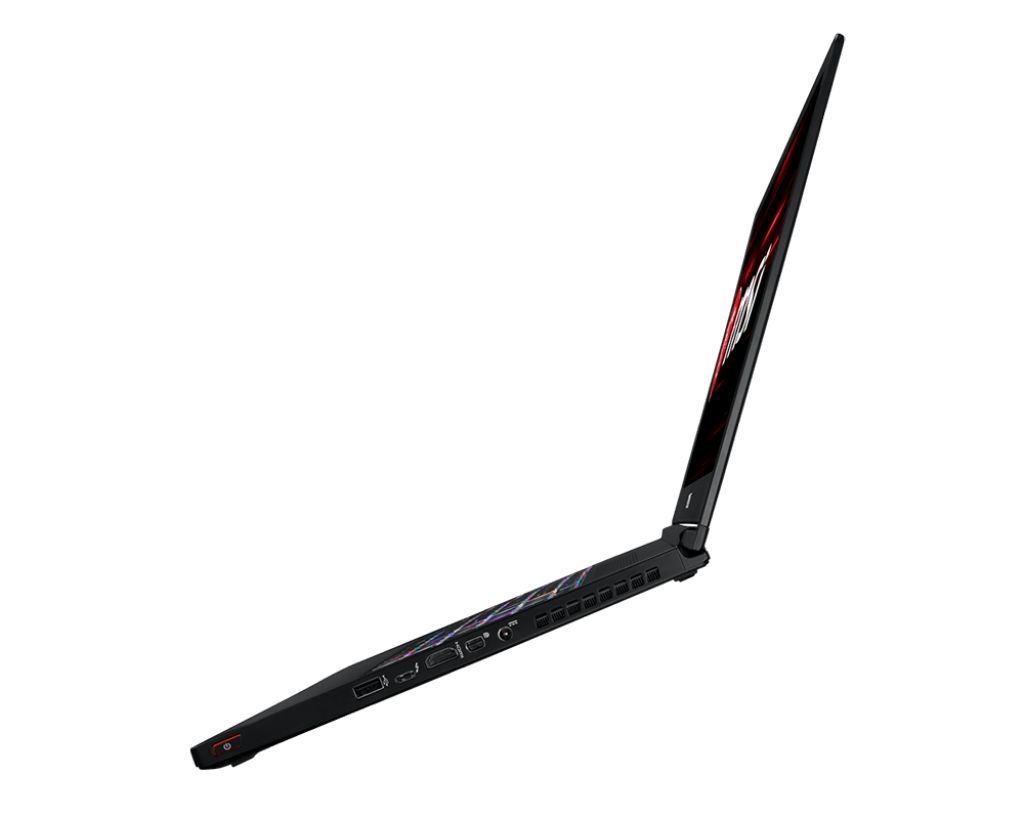
The MSI GS63 Stealth 8RE-033MX gaming laptop supports DDR4-SDRAM memory upgrades with two SO-DIMM slots available. Maximum compatible memory capacity reaches 32 GB total. Specifications indicate 2666 MHz frequency support. RAM upgrade specifications for the GS series model enable enhanced multitasking and performance optimization through memory expansion on compatible configurations.
Memory Upgrade Specifications
| Specification | Value |
|---|---|
| Memory slots | 2x SO-DIMM |
| Form factor | SO-DIMM |
| Memory type | DDR4-SDRAM |
| Frequency | 2666 MHz |
| Maximum RAM | 32 GB |
| Voltage | 1.2V |
| Number of pins | 260-pin |
| Interface | PC4 |
| PC Speed Rating | PC4-2666 (PC4-21328) |
| Bandwidth | 21.3 GB/s |
| Laptop Release date | 04 March 2019 |
Additional Notes
- The MSI GS63 Stealth 8RE-033MX accommodates only 2 SO-DIMM slots, which limits modularity compared to desktop platforms and means any RAM upgrade requires full replacement of existing modules rather than incremental expansion.
- DDR4-2666 MHz operates below contemporary standard frequencies (3200 MHz typical for 8th-generation Intel platforms), creating potential bandwidth constraints during memory-intensive tasks such as video rendering, 3D modeling, or large dataset processing.
- The 32 GB ceiling reflects the SO-DIMM form factor limitation and 8th-generation chipset architecture, preventing future scaling beyond this threshold without motherboard replacement.
- Upgrading to the 32 GB maximum (2x16 GB modules) requires removal of both original memory modules simultaneously, introducing higher risk of electrostatic discharge and voiding warranties if service procedures are not followed precisely.
- DDR4-2666 SO-DIMM modules are increasingly difficult to source as manufacturers transition inventory toward DDR5 and newer DDR4 variants at higher frequencies, potentially affecting future replacement availability and pricing.
- The laptop's dual-channel memory configuration means that asymmetrical upgrades (replacing only 1 of 2 modules) will force the system to operate in single-channel mode on the retained module, degrading memory bandwidth by approximately 50% until both slots contain identical specifications.