MSI Gaming GS63VR 7RF Stealth Pro RAM upgrade specifications
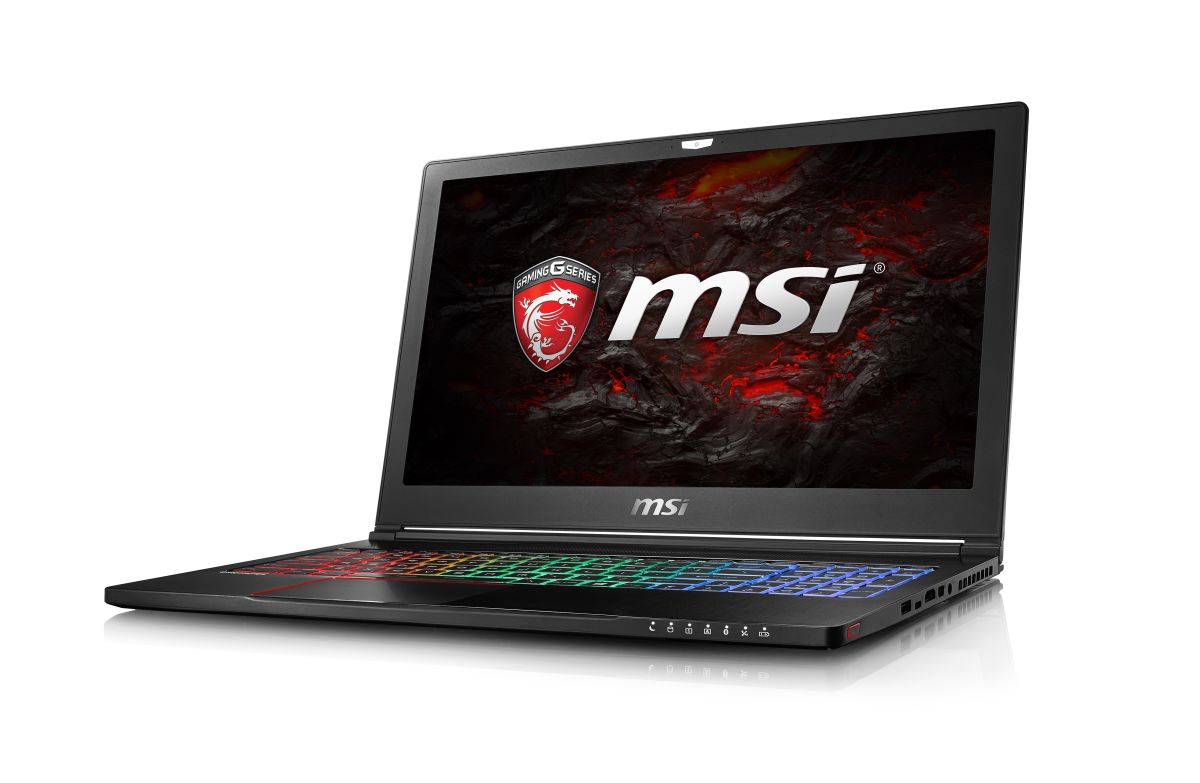
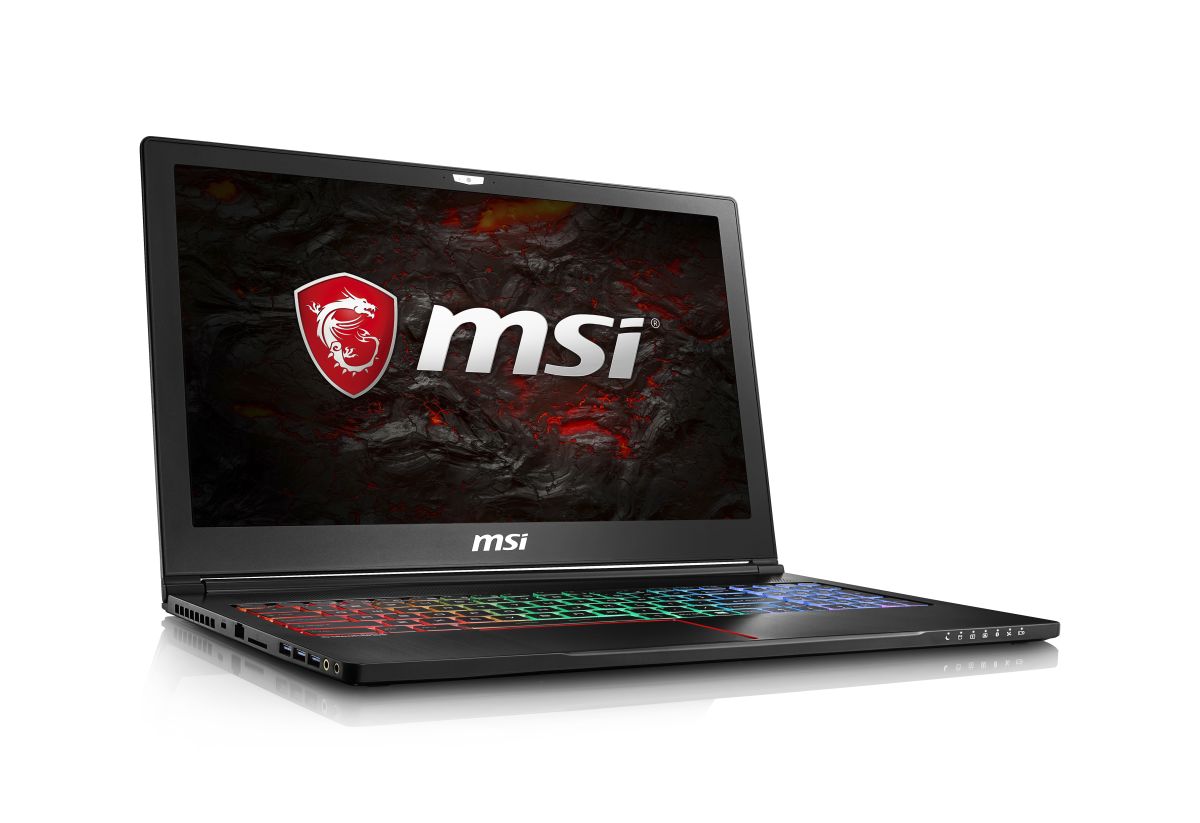
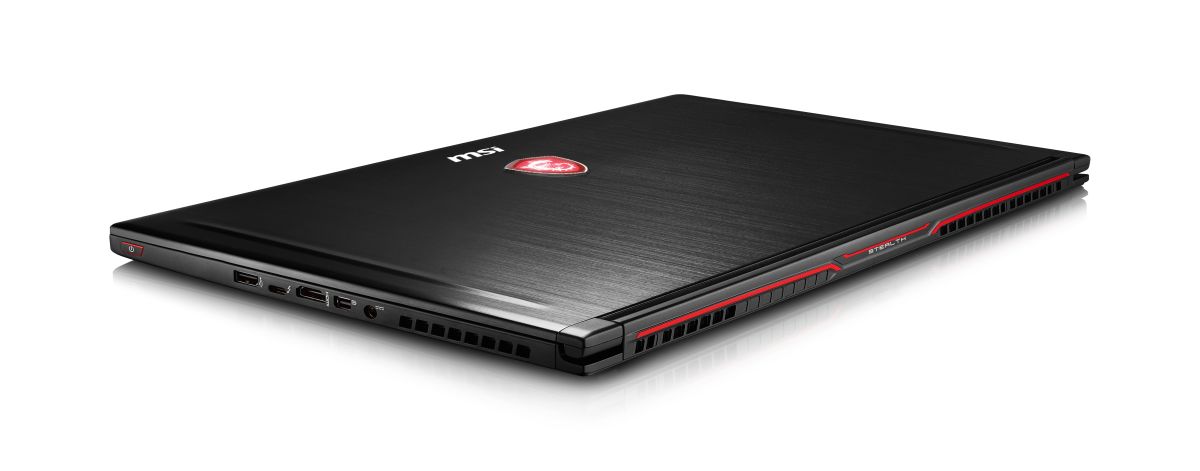
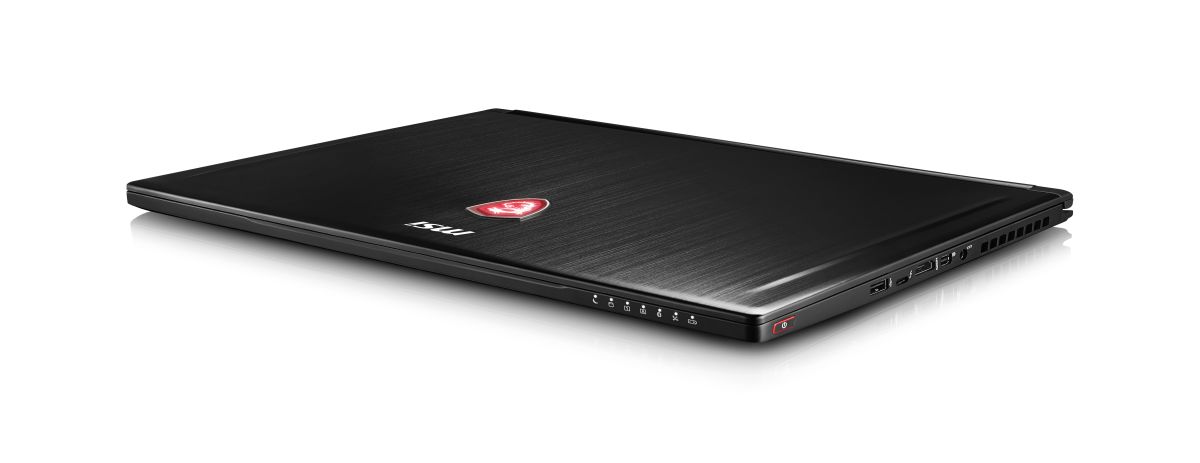
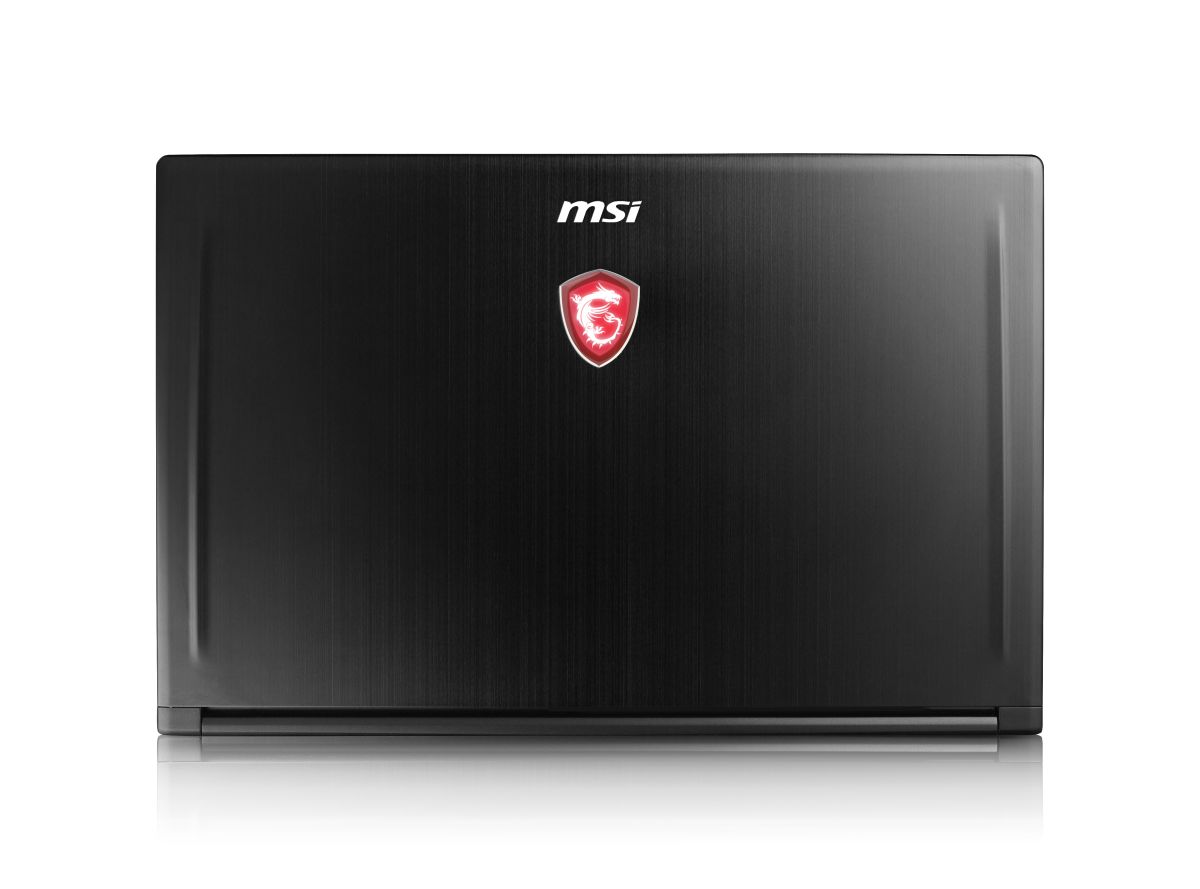
The MSI GS63VR 7RF Stealth Pro gaming laptop features two SO-DIMM slots for DDR4-SDRAM memory upgrade. The system supports a maximum RAM capacity of 32 GB, with compatible modules operating at 2400 MHz frequency. Specifications indicate the laptop accepts standard DDR4 SO-DIMM form factor modules. The GS series gaming platform allows memory expansion through accessible upgrade slots, enabling users to increase system memory capacity from factory configurations up to the maximum supported 32 GB threshold for enhanced performance in demanding applications.
Memory Upgrade Specifications
| Specification | Value |
|---|---|
| Memory slots | 2x SO-DIMM |
| Form factor | SO-DIMM |
| Memory type | DDR4-SDRAM |
| Frequency | 2400 MHz |
| Maximum RAM | 32 GB |
| Voltage | 1.2V |
| Number of pins | 260-pin |
| Interface | PC4 |
| PC Speed Rating | PC4-2400 (PC4-19200) |
| Bandwidth | 19.2 GB/s |
| Laptop Release date | 30 April 2018 |
Additional Notes
- The inverted motherboard design of the MSI GS63VR 7RF Stealth Pro requires a full internal teardown to access the memory slots because the modules face the keyboard side rather than the bottom panel.
- Dual channel mode functionality relies on installing matching pairs of density and latency to prevent memory controller downclocking.
- Voltage requirements for the modules must adhere strictly to 1.2V standards to ensure stability with the mobile chipset.
- Physical clearance for memory modules is limited by the thin chassis design which precludes the use of thick heat spreaders found on some high performance aftermarket kits.
- Thermal management during heavy workloads will impact sustained memory bandwidth as heat from the adjacent CPU and GPU affects the non ventilated area around the SO-DIMM slots.
- Exceeding the 32 GB capacity threshold will result in a failure to boot due to hardware level addressing limits of the processor architecture.
- Removing the factory seal to reach the memory slots may impact regional warranty coverage depending on local consumer protection laws regarding user serviceable parts.
- Installing modules with frequencies higher than 2400 MHz will result in the system automatically downclocking the speed to match the maximum supported bus frequency of the 7th generation platform.