MSI Gaming GS63VR 7RF-(Stealth Pro)425MX RAM upgrade specifications
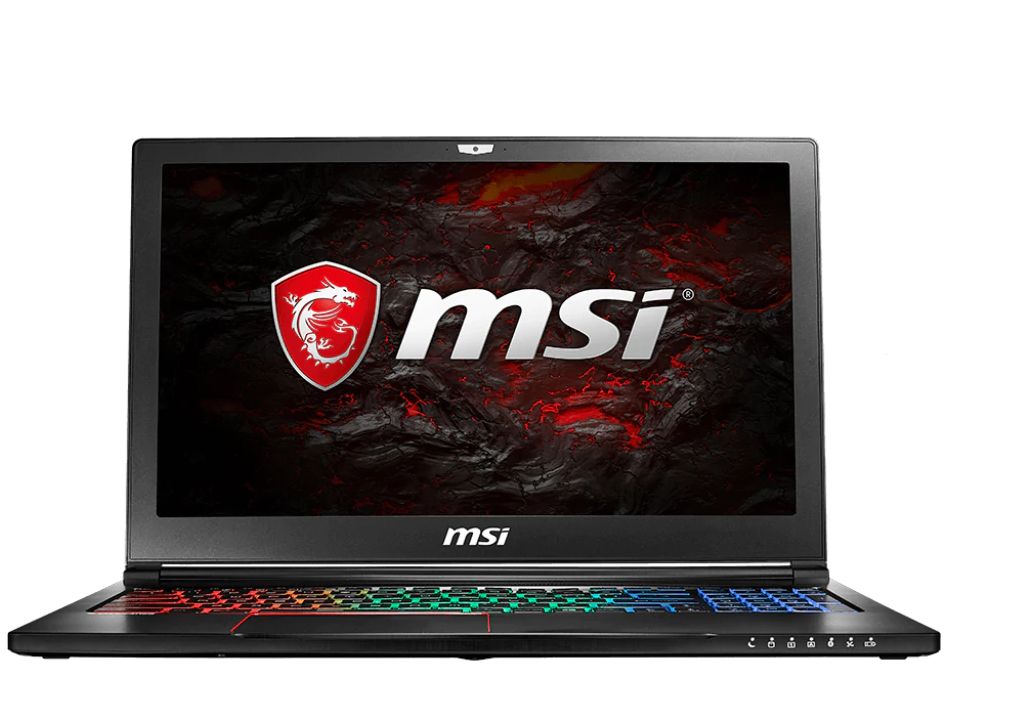
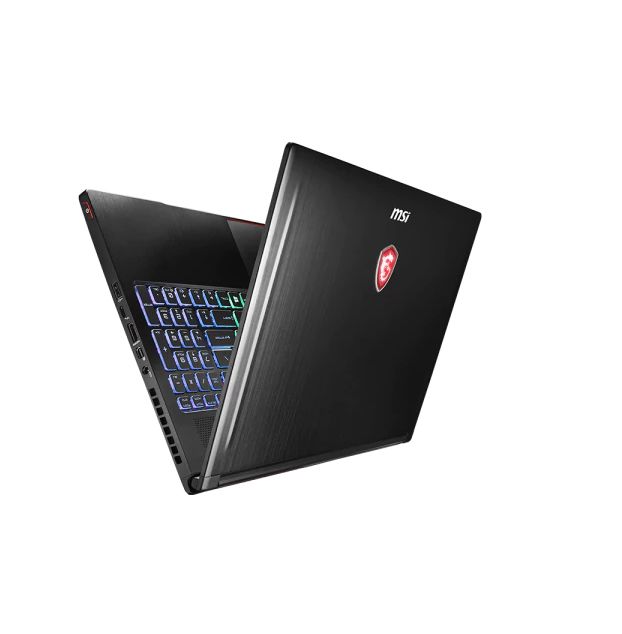
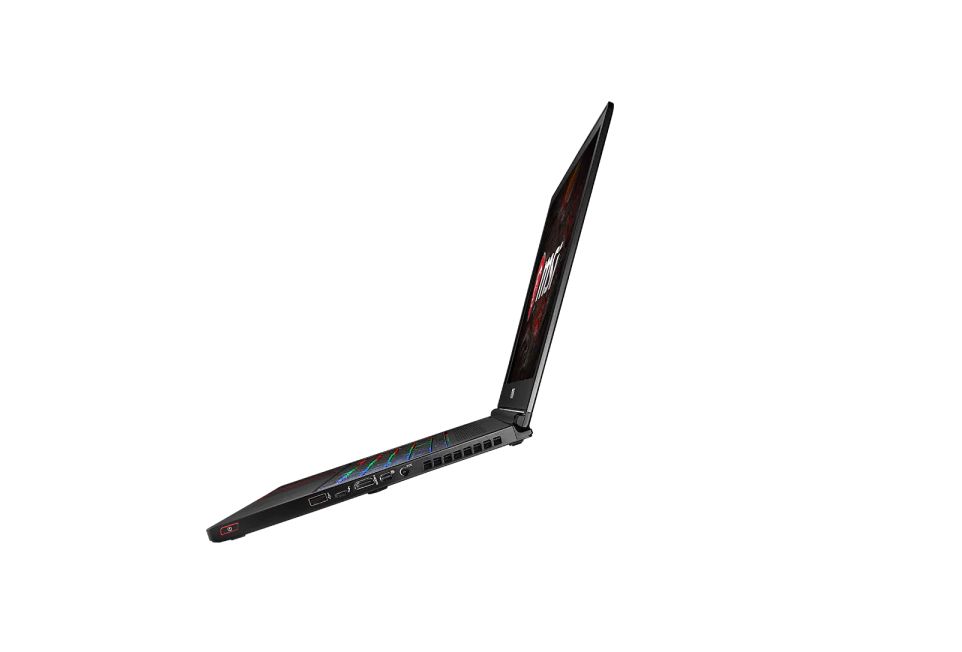
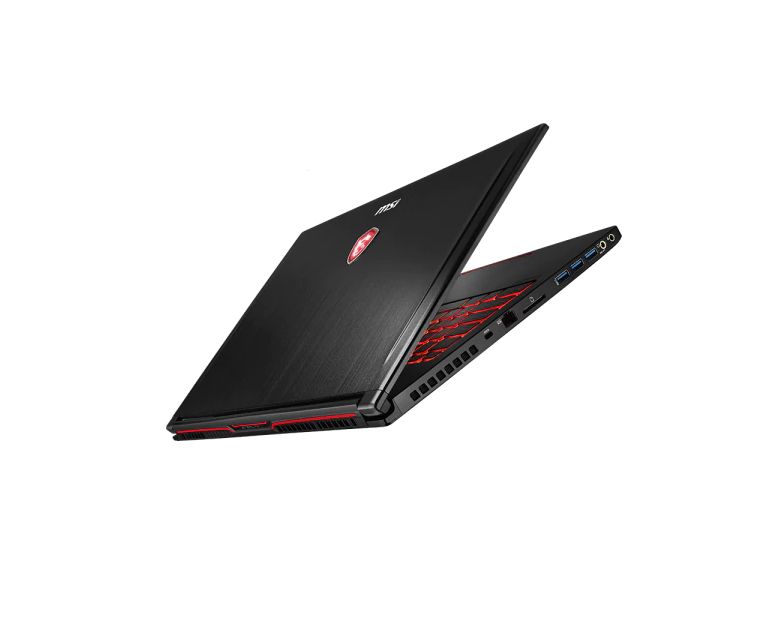
MSI GS63VR 7RF-(Stealth Pro)425MX gaming laptop supports DDR4-SDRAM memory upgrades via dual SO-DIMM slots. Maximum RAM capacity reaches 32 GB with DDR4-2400 MHz specifications. Compatible memory modules install directly into the two SO-DIMM slots for enhanced system performance. Upgrade specifications enable expansion from factory configuration to full 32 GB maximum capacity. Memory slots accommodate standard SO-DIMM form factor DDR4 modules operating at 2400 MHz frequency, providing flexibility for RAM upgrade options on MSI Gaming GS series models.
Memory Upgrade Specifications
| Specification | Value |
|---|---|
| Memory slots | 2x SO-DIMM |
| Form factor | SO-DIMM |
| Memory type | DDR4-SDRAM |
| Frequency | 2400 MHz |
| Maximum RAM | 32 GB |
| Voltage | 1.2V |
| Number of pins | 260-pin |
| Interface | PC4 |
| PC Speed Rating | PC4-2400 (PC4-19200) |
| Bandwidth | 19.2 GB/s |
| Laptop Release date | 01 February 2018 |
Additional Notes
- The 32 GB ceiling stems from the chipset's addressing limitations rather than physical slot constraints, meaning modules exceeding 16 GB per slot will not function even if physically compatible.
- DDR4-2400 represents a JEDEC standard specification, ensuring modules rated at higher speeds will downclock automatically without BIOS intervention or stability risks.
- The SO-DIMM form factor prohibits use of standard desktop DIMM modules due to the 260-pin versus 288-pin interface difference, making desktop memory physically incompatible regardless of electrical specifications.
- Dual-channel operation requires matched module capacities in both slots, meaning asymmetric configurations like 16 GB plus 8 GB will force single-channel mode, halving theoretical memory bandwidth to approximately 19 GB/s.
- The MSI GS63VR 7RF Stealth Pro 425MX utilizes bottom-panel access for memory installation, eliminating keyboard removal requirements that would void thermal paste warranties on CPU contact points.
- DDR4-2400 voltage standardizes at 1.2V, preventing compatibility issues with low-voltage DDR4L modules that operated at 1.05V in previous DDR3L generation systems.
- The 7th generation Intel chipset lacks native support for DDR4-3200 without overclocking profiles, meaning modules rated above 2400 MHz provide no performance benefit unless XMP profiles are available and enabled.
- Module height restrictions in ultra-thin gaming chassis typically cap components at 30mm, making standard-height modules with oversized heatspreaders physically incompatible with the chassis closure mechanism.
- Non-ECC unbuffered modules are required, as registered or error-correcting memory types designed for server platforms will fail POST diagnostics in mobile consumer chipsets.
- Single-rank versus dual-rank module architecture affects compatibility less than capacity matching, though dual-rank configurations may provide marginal bandwidth improvements in memory-intensive workloads at identical frequencies.