MSI Gaming GS63VR 7RF-409RU Stealth Pro 4K RAM upgrade specifications
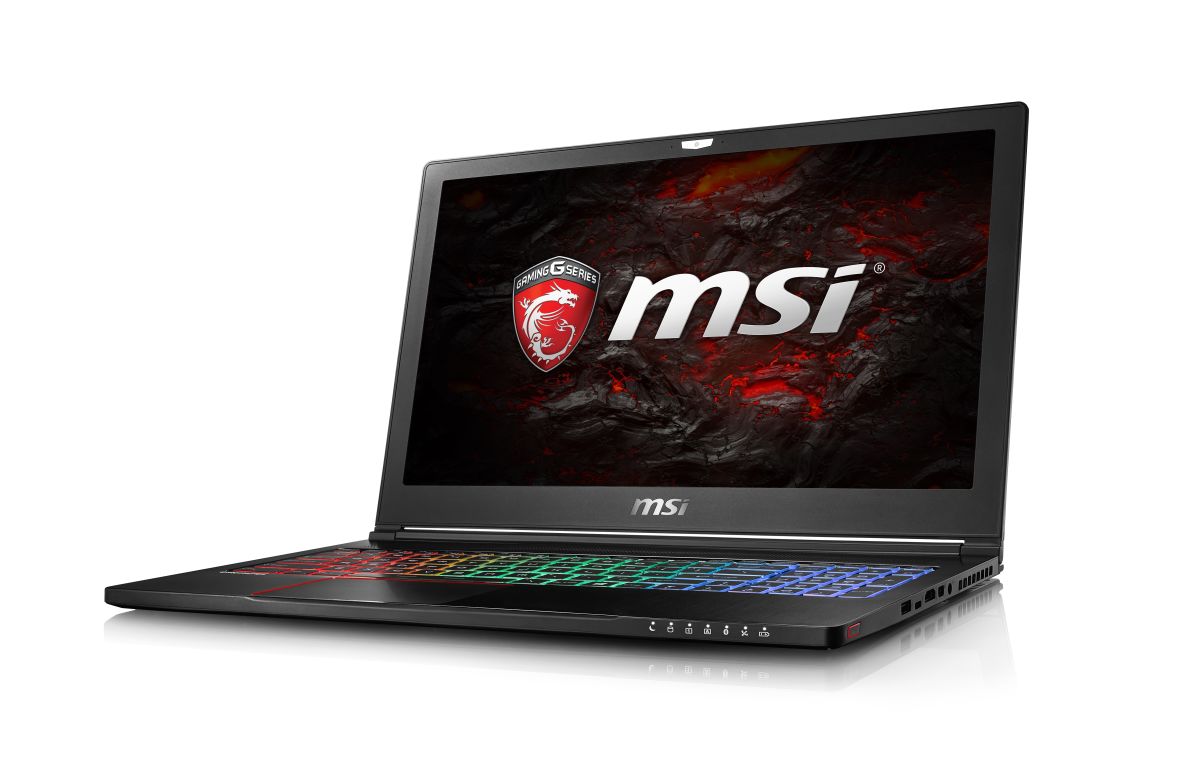

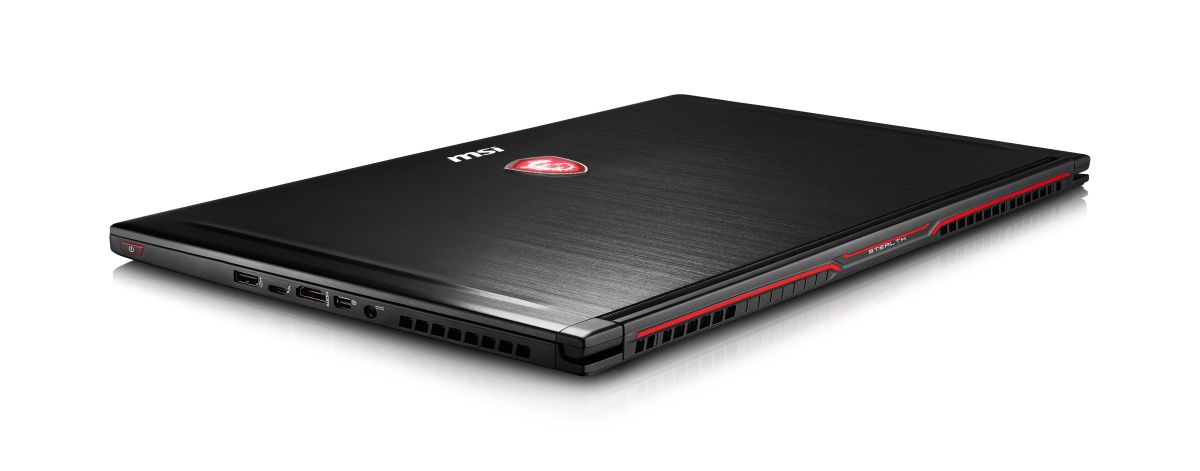
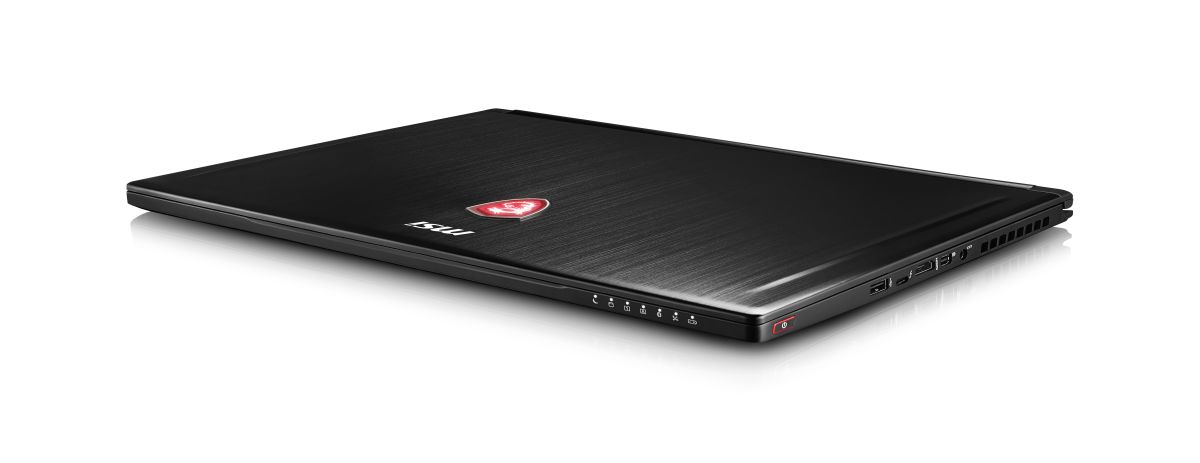
The MSI GS63VR 7RF-409RU Stealth Pro 4K gaming laptop features DDR4-SDRAM memory upgrade specifications. The system includes 2x SO-DIMM slots compatible with DDR4 memory modules operating at 2400 MHz frequency. Maximum supported RAM capacity reaches 32 GB, allowing users to expand the memory configuration for improved multitasking and performance. Each SO-DIMM slot accommodates compatible DDR4 memory upgrades, enabling flexible memory expansion within the specifications outlined for this gaming series laptop.
Memory Upgrade Specifications
| Specification | Value |
|---|---|
| Memory slots | 2x SO-DIMM |
| Form factor | SO-DIMM |
| Memory type | DDR4-SDRAM |
| Frequency | 2400 MHz |
| Maximum RAM | 32 GB |
| Voltage | 1.2V |
| Number of pins | 260-pin |
| Interface | PC4 |
| PC Speed Rating | PC4-2400 (PC4-19200) |
| Bandwidth | 19.2 GB/s |
| Laptop Release date | 20 March 2018 |
Additional Notes
- The motherboard architecture utilizes dual channel memory configurations to double theoretical bandwidth when identical modules occupy both slots.
- The chassis design of the MSI GS63VR 7RF-409RU Stealth Pro 4K features a flipped motherboard layout that requires full removal of the main circuit board to access memory slots for maintenance.
- Internal thermal management relies on thin heat pipes that restrict the use of memory modules equipped with thick third party heat spreaders.
- Memory controllers integrated into the CPU lock the system to 2400 MHz even if higher frequency modules are installed in the hardware.
- Total system capacity is reaching the threshold for modern 4K video editing workflows and high resolution texture scaling in gaming environments.
- Voltage requirements for the 2 slots are restricted to 1.2V DDR4 standards which prevents the use of older high voltage memory components.
- Physical installation of 2 16 GB sticks is the only method to reach the stated hardware limit since no soldered on board memory exists.
- The 4K display panel increases the demand on shared system memory for graphical frame buffering if the dedicated video RAM becomes saturated.