MSI Gaming GS63VR 7RF-614DE Stealth Pro RAM upgrade specifications


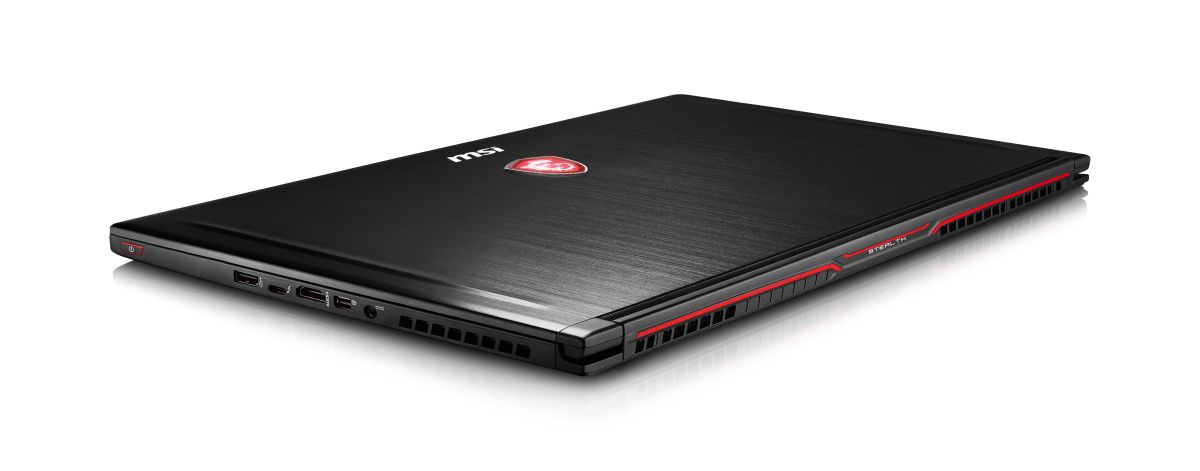
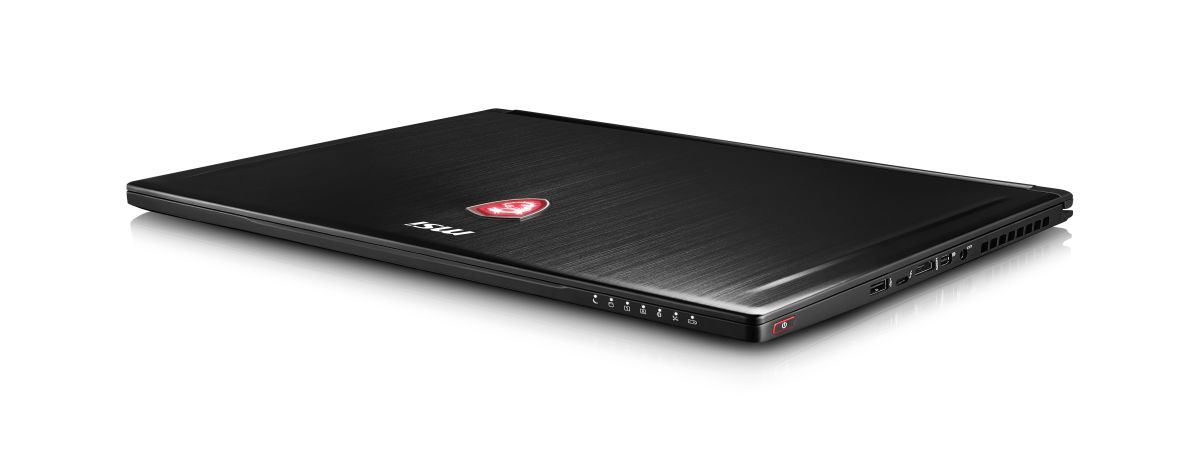
The MSI GS63VR 7RF-614DE Stealth Pro gaming laptop features two SO-DIMM slots for memory upgrade capability. Maximum RAM capacity reaches 32 GB when equipped with compatible DDR4-SDRAM modules operating at 2400 MHz. The specifications support DDR4 memory upgrades to achieve the maximum specifications. Existing memory configurations can be expanded by replacing or supplementing current SO-DIMM modules with compatible DDR4-SDRAM upgrades.
Memory Upgrade Specifications
| Specification | Value |
|---|---|
| Memory slots | 2x SO-DIMM |
| Form factor | SO-DIMM |
| Memory type | DDR4-SDRAM |
| Frequency | 2400 MHz |
| Maximum RAM | 32 GB |
| Voltage | 1.2V |
| Number of pins | 260-pin |
| Interface | PC4 |
| PC Speed Rating | PC4-2400 (PC4-19200) |
| Bandwidth | 19.2 GB/s |
| Laptop Release date | 27 April 2018 |
Additional Notes
- The MSI GS63VR 7RF-614DE Stealth Pro utilizes a dual-channel memory architecture, requiring matched module pairs for optimal bandwidth utilization and preventing asymmetric performance degradation.
- The 32 GB ceiling reflects chipset-level addressing limitations rather than slot capacity, making future expansion beyond this threshold impossible without motherboard replacement.
- DDR4-2400 operates at PC4-19200 transfer rates, establishing a theoretical maximum bandwidth of 38.4 GB/s in dual-channel configuration before protocol overhead.
- Higher frequency modules at 2666 MHz or 3200 MHz will downclock to 2400 MHz due to memory controller restrictions, offering no performance benefit despite increased cost.
- SO-DIMM modules measure 67.6 mm in length compared to standard DIMM at 133.35 mm, making desktop memory physically incompatible with this chassis.
- Non-ECC unbuffered modules are required, as registered or ECC memory types will either fail POST or operate with error correction disabled.
- Single-rank versus dual-rank module topology affects interleaving efficiency, with dual-rank configurations potentially improving memory-intensive workload performance by up to 10 percent.
- Voltage specification defaults to 1.2V for DDR4, though low-voltage 1.05V variants may cause instability if the BIOS lacks adaptive voltage scaling.
- CAS latency timing at CL17 represents the standard for DDR4-2400, while lower latencies like CL15 reduce access delays but require manual timing configuration in most implementations.
- Thermal constraints in slim gaming chassis necessitate module height verification, as heat spreaders exceeding 32 mm may interfere with keyboard assemblies or cooling solutions.
- Access to memory slots typically requires complete bottom panel removal and potential warranty seal breakage, unlike models with dedicated service hatches.
- Mixed-capacity configurations such as 8 GB plus 16 GB modules maintain dual-channel operation only up to the smaller module's capacity, with remaining memory reverting to single-channel mode.