MSI Gaming GS63VR 7RF-247UK Stealth Pro RAM upgrade specifications
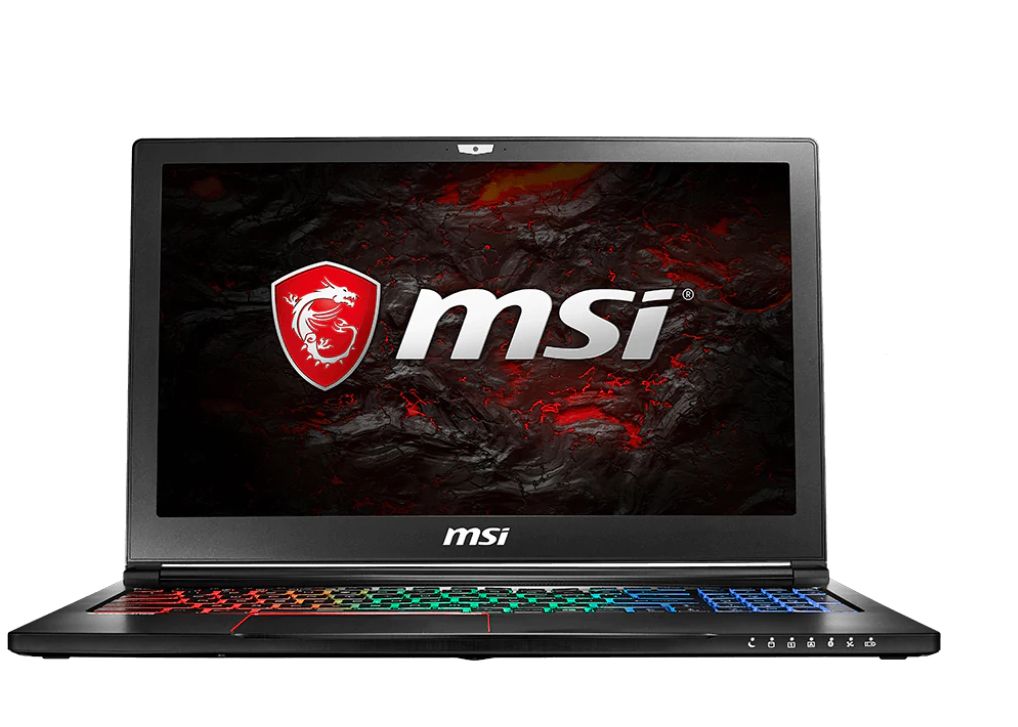
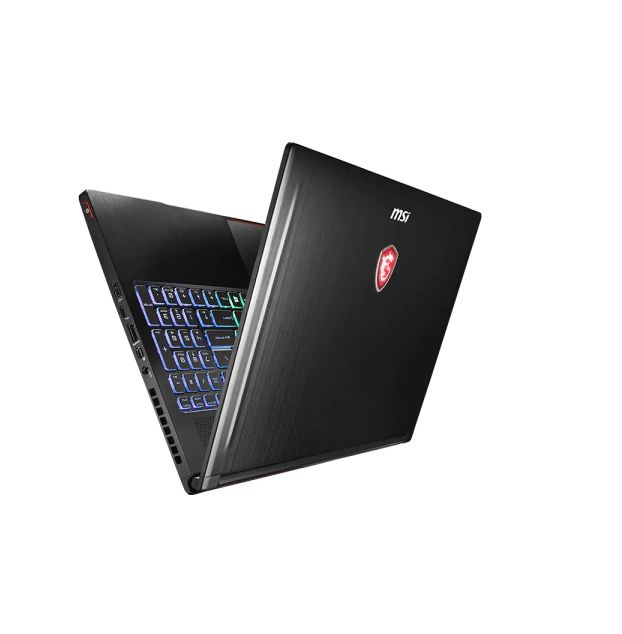
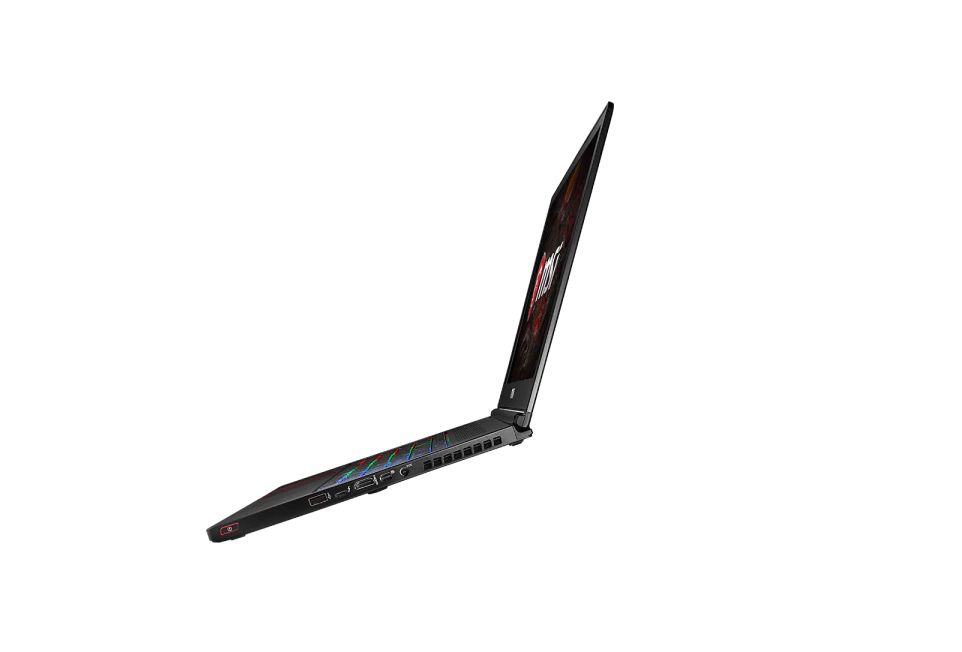
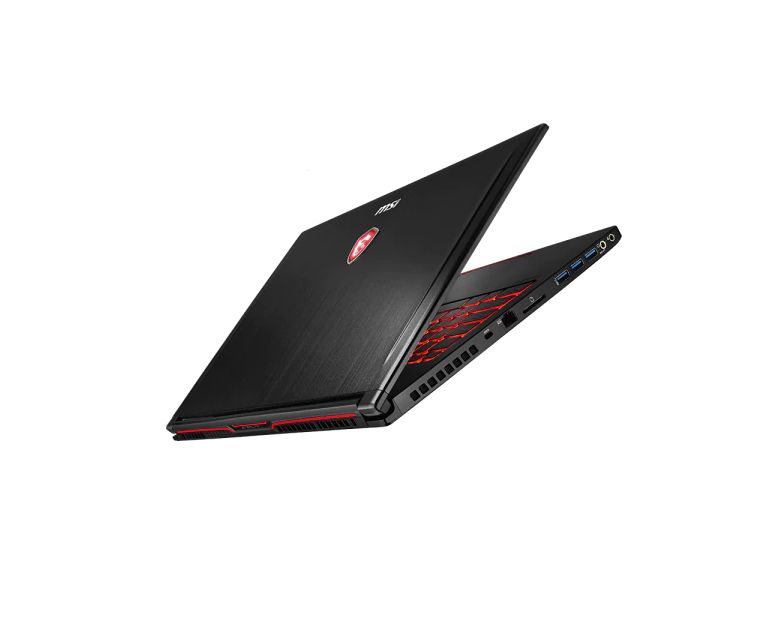
MSI GS63VR 7RF-247UK Stealth Pro gaming laptop supports memory upgrade via 2x SO-DIMM slots. Maximum RAM capacity reaches 32 GB DDR4-SDRAM at 2400 MHz frequency. Compatible upgrade modules utilize SO-DIMM form factor specifications. Current memory configuration allows expansion to achieve maximum capacity through DDR4 memory modules meeting laptop requirements.
Memory Upgrade Specifications
| Specification | Value |
|---|---|
| Memory slots | 2x SO-DIMM |
| Form factor | SO-DIMM |
| Memory type | DDR4-SDRAM |
| Frequency | 2400 MHz |
| Maximum RAM | 32 GB |
| Voltage | 1.2V |
| Number of pins | 260-pin |
| Interface | PC4 |
| PC Speed Rating | PC4-2400 (PC4-19200) |
| Bandwidth | 19.2 GB/s |
| Laptop Release date | 22 February 2017 |
Additional Notes
- The 32 GB ceiling derives from the chipset's addressing limitation, making 2x16 GB modules the only configuration to reach maximum capacity.
- DDR4-2400 operates at a standard voltage of 1.2V, preventing the use of low-voltage DDR3L modules despite physical slot similarity.
- The dual-channel architecture requires matched module pairs in both slots to achieve the full 38.4 GB/s theoretical memory bandwidth.
- Installing a single module forces the MSI GS63VR 7RF-247UK Stealth Pro into single-channel mode, halving memory bandwidth to 19.2 GB/s regardless of module capacity.
- SO-DIMM modules exceeding 2400 MHz will downclock automatically to match the supported frequency, offering no performance benefit.
- The 260-pin SO-DIMM standard physically blocks compatibility with desktop 288-pin DIMM modules.
- Mixing modules with different timings forces both to operate at the slower timing profile, potentially degrading performance below rated specifications.
- Access to memory slots typically requires complete bottom panel removal, as gaming chassis rarely provide dedicated service doors for RAM upgrades.
- Non-ECC unbuffered modules are required, as registered or ECC memory types remain incompatible with mobile consumer platforms.
- Thermal constraints in the 17.7mm chassis profile make heat spreader height critical, with low-profile modules recommended to avoid clearance conflicts with the keyboard assembly.