MSI Gaming GS63 7RE(Stealth Pro)-014XFR RAM upgrade specifications

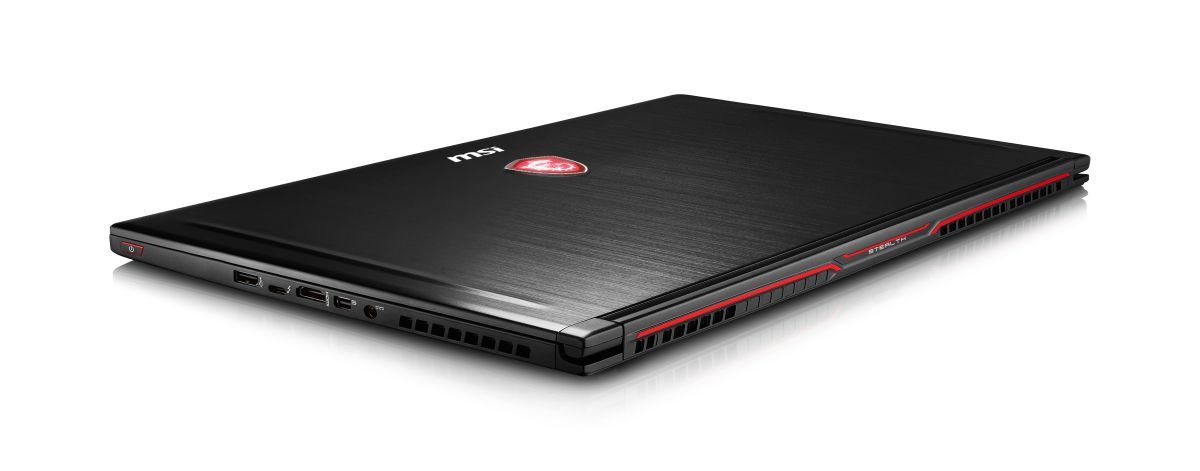
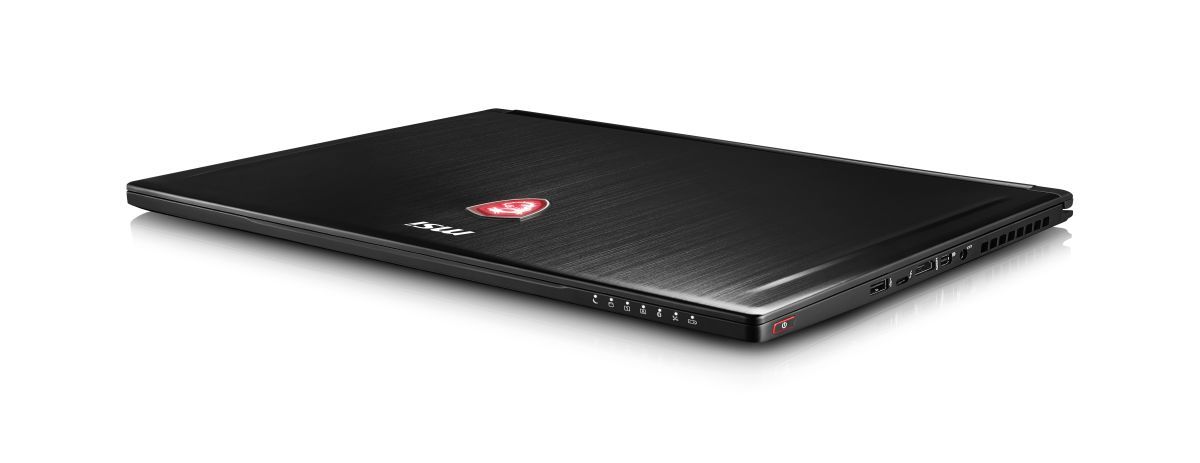

MSI GS63 7RE(Stealth Pro)-014XFR Gaming series laptop RAM upgrade specifications include DDR4-SDRAM memory compatible with 2x SO-DIMM slots. Maximum RAM capacity reaches 32 GB total, with memory operating at 2400 MHz frequency. Specifications indicate SO-DIMM form factor memory modules required for upgrade compatibility on this Gaming GS series model.
Memory Upgrade Specifications
| Specification | Value |
|---|---|
| Memory slots | 2x SO-DIMM |
| Form factor | SO-DIMM |
| Memory type | DDR4-SDRAM |
| Frequency | 2400 MHz |
| Maximum RAM | 32 GB |
| Voltage | 1.2V |
| Number of pins | 260-pin |
| Interface | PC4 |
| PC Speed Rating | PC4-2400 (PC4-19200) |
| Bandwidth | 19.2 GB/s |
| Laptop Release date | 04 February 2017 |
Additional Notes
- The MSI GS63 7RE(Stealth Pro)-014XFR supports dual-channel memory architecture through its 2 SODIMM slots, enabling doubled memory bandwidth when identical modules are installed in pairs.
- The 32 GB ceiling indicates compatibility with 16 GB modules per slot, ruling out higher-density configurations even as module technology advances beyond current specifications.
- DDR4-2400 operates at PC4-19200 standard, delivering 19.2 GB/s theoretical bandwidth per channel or 38.4 GB/s combined when both slots are populated with matched modules.
- Installing modules with speeds exceeding 2400 MHz will result in automatic downclocking to match the maximum supported frequency, wasting premium module potential.
- Mixed module configurations, whether in capacity or timings, force the memory controller to operate all modules at the slowest common denominator, potentially degrading performance below single-channel baseline.
- The SODIMM form factor requires modules with 260-pin connectors and lower voltage specifications compared to desktop DIMM counterparts, preventing accidental installation of incompatible desktop memory.
- Accessing both memory slots typically requires complete bottom panel removal rather than a dedicated access door, extending upgrade time and necessitating proper thermal paste reapplication if cooling components are disturbed.
- Non-ECC unbuffered modules are required for consumer gaming platforms, as registered or error-correcting variants introduce incompatible signaling that prevents POST completion.
- Operating voltage must remain within 1.2V ± 5% tolerance for DDR4 specifications, as higher-voltage modules designed for overclocking may exceed thermal limits in compact chassis designs.
- Single module installation in either slot defaults to single-channel mode, halving theoretical memory bandwidth and creating measurable performance reduction in GPU-integrated scenarios and memory-intensive applications.