MSI Gaming GS63 7RD-225 Stealth RAM upgrade specifications
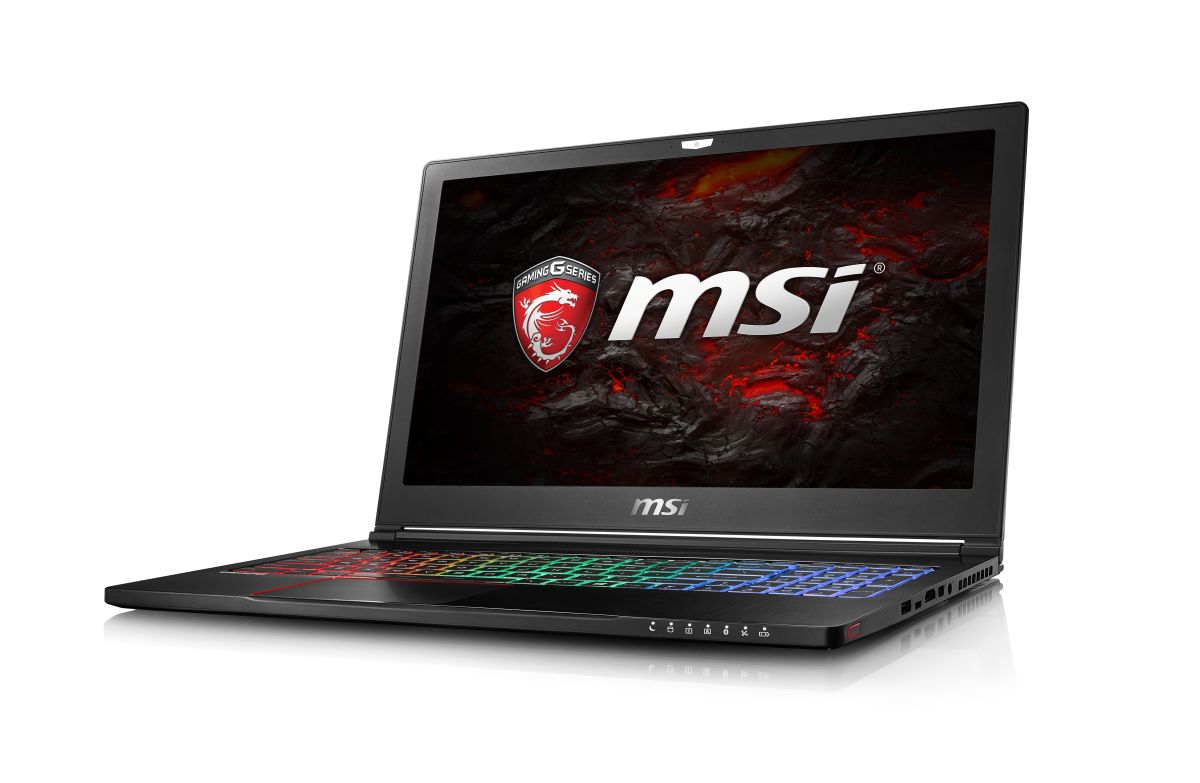

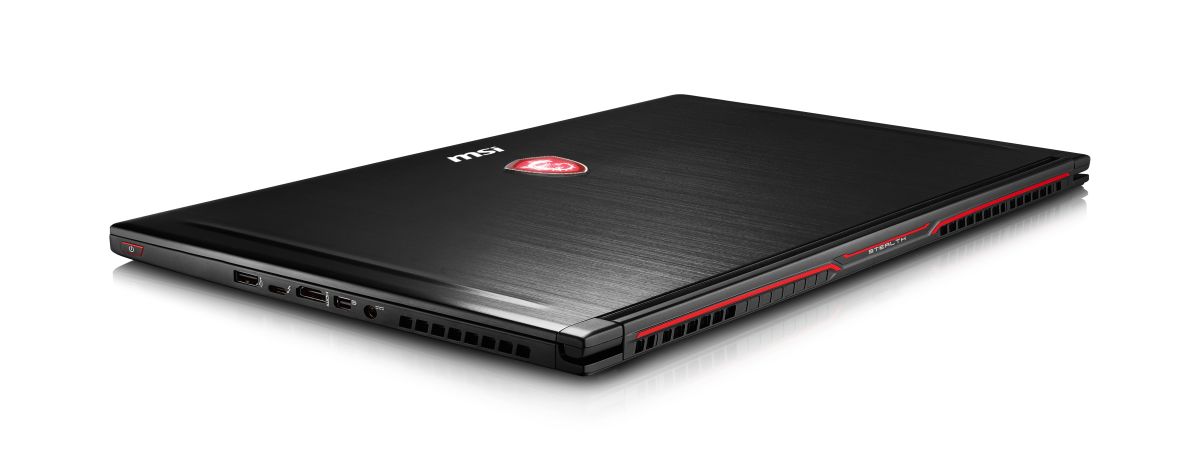
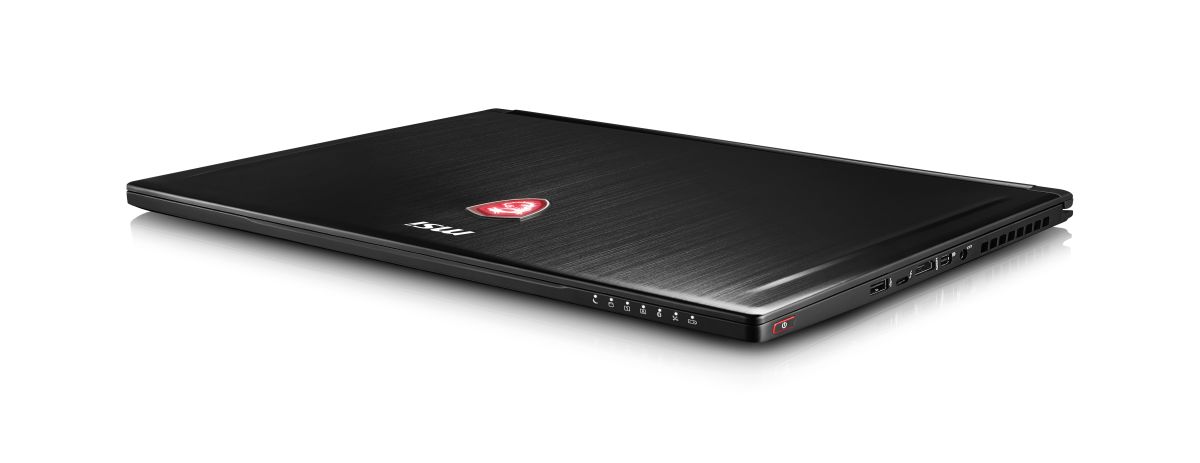
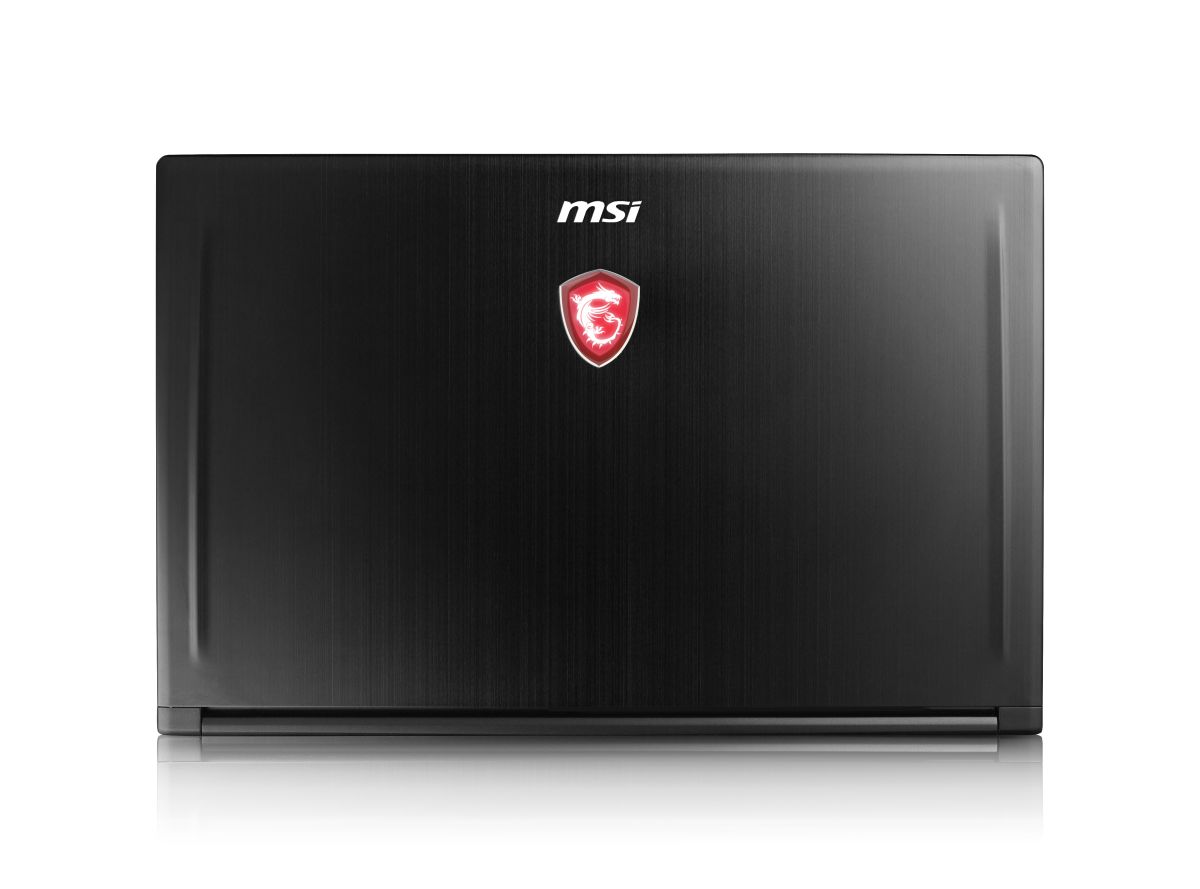
The MSI GS63 7RD-225 Stealth gaming laptop features DDR4-SDRAM memory with two SO-DIMM slots supporting maximum capacity of 32 GB. RAM upgrade specifications indicate compatibility with DDR4 memory modules operating at 2400 MHz frequency. The gaming series GS model accepts SO-DIMM form factor memory upgrades, enabling memory expansion from the factory configuration to the maximum supported capacity of 32 GB across both available slots.
Memory Upgrade Specifications
| Specification | Value |
|---|---|
| Memory slots | 2x SO-DIMM |
| Form factor | SO-DIMM |
| Memory type | DDR4-SDRAM |
| Frequency | 2400 MHz |
| Maximum RAM | 32 GB |
| Voltage | 1.2V |
| Number of pins | 260-pin |
| Interface | PC4 |
| PC Speed Rating | PC4-2400 (PC4-19200) |
| Bandwidth | 19.2 GB/s |
| Laptop Release date | 06 January 2018 |
Additional Notes
- The MSI GS63 7RD-225 Stealth accepts only SO-DIMM modules, which are laptop-specific form factors incompatible with desktop DDR4 DIMMs; standard desktop memory cannot be physically inserted into the available slots.
- The 2400 MHz frequency specification indicates this system predates DDR4 speed standardization at 3200 MHz; newer high-frequency DDR4 modules (3000 MHz and above) will downclock to 2400 MHz, negating performance gains from premium memory purchases.
- With 2 slots and a 32 GB ceiling, maximum capacity requires 2x16 GB SO-DIMM modules; populating both slots leaves no upgrade path without removing existing memory, making future expansions contingent on replacement rather than addition.
- SO-DIMM modules generate higher thermal density than desktop equivalents due to compact design; thermal management becomes critical in a gaming chassis already handling discrete GPU heat output, potentially affecting memory stability under sustained gaming loads.
- DDR4-2400 SO-DIMMs occupy a narrow availability window in the current market; sourcing compatible modules requires verification against legacy memory lists rather than selecting current-generation stock, extending procurement timelines.
- The 2-slot architecture concentrates memory bandwidth through fewer physical pathways than modern 4-slot configurations; latency-sensitive gaming workloads experience architectural limitations independent of clock speed or capacity upgrades.