MSI Gaming GS65 8RF-083IT Stealth Thin RAM upgrade specifications
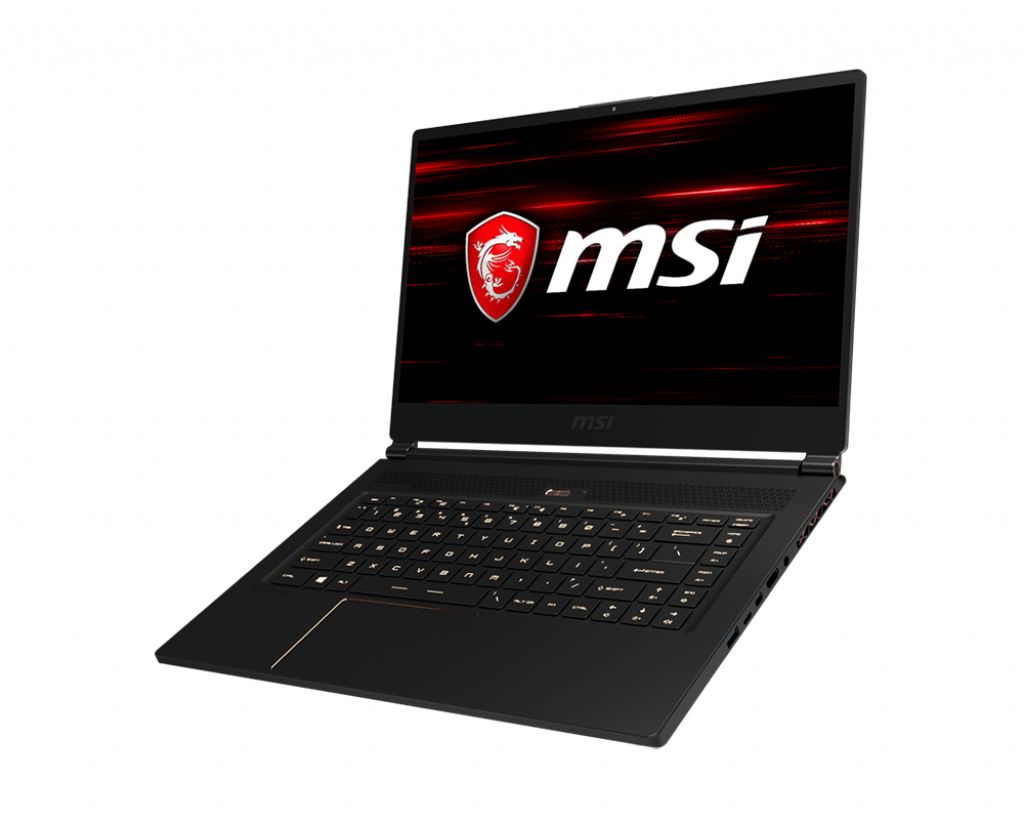

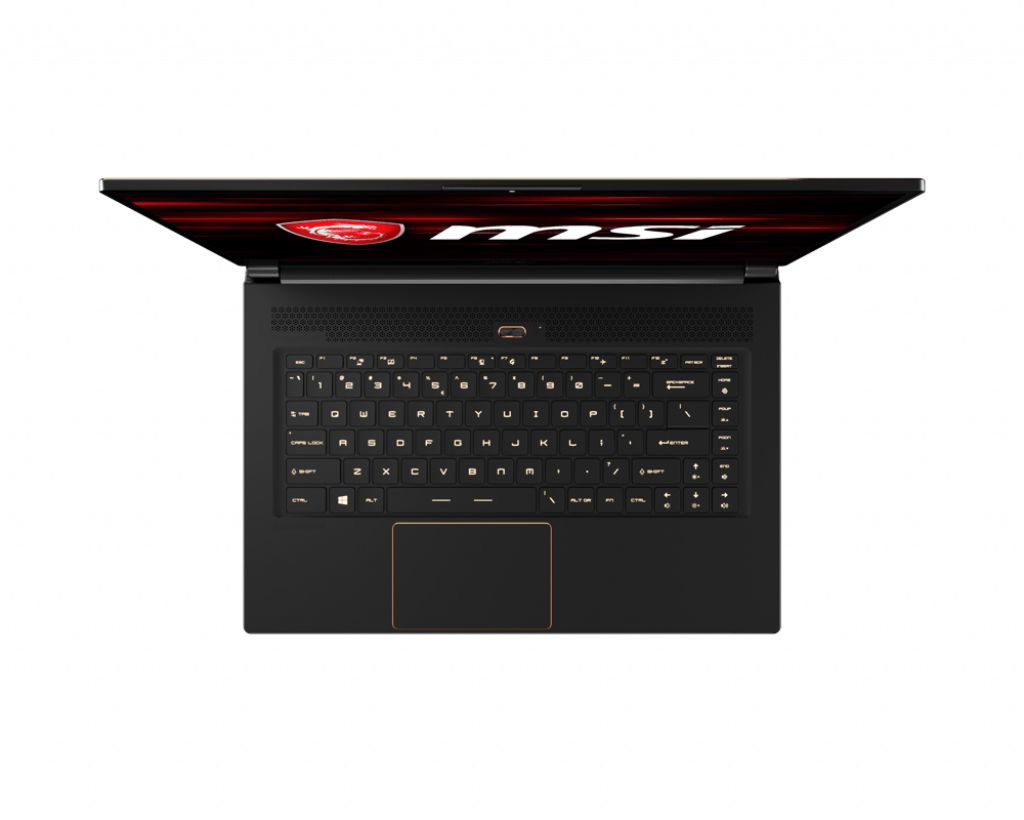
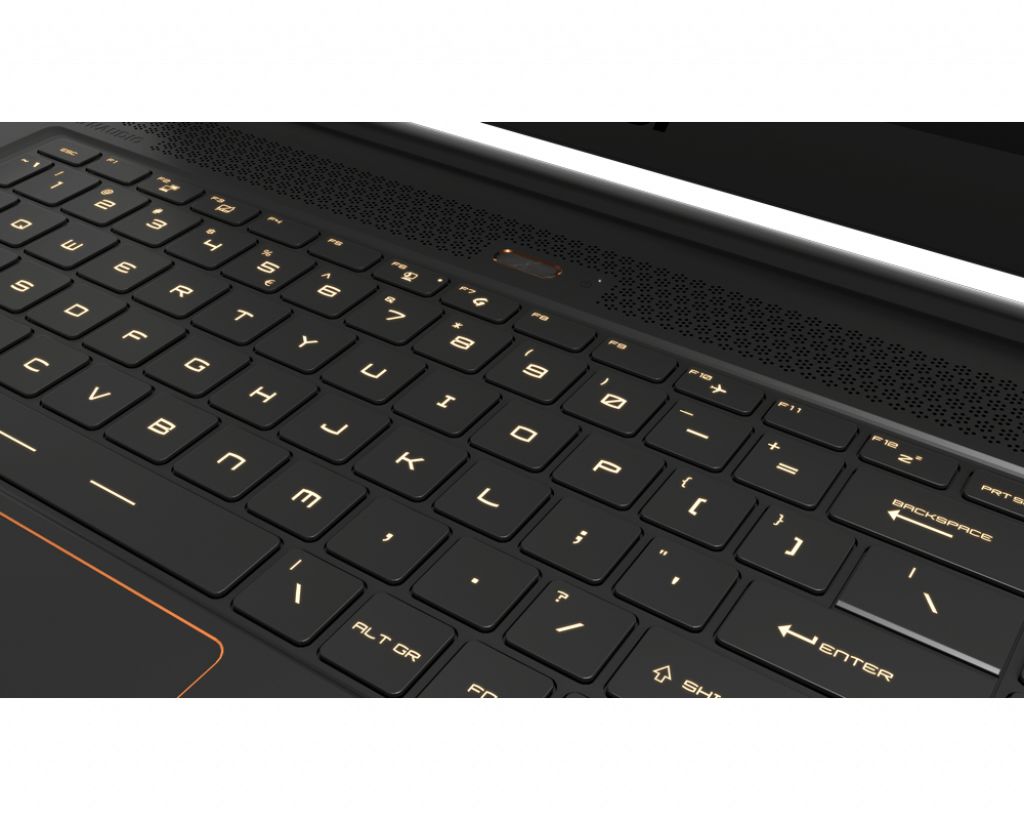
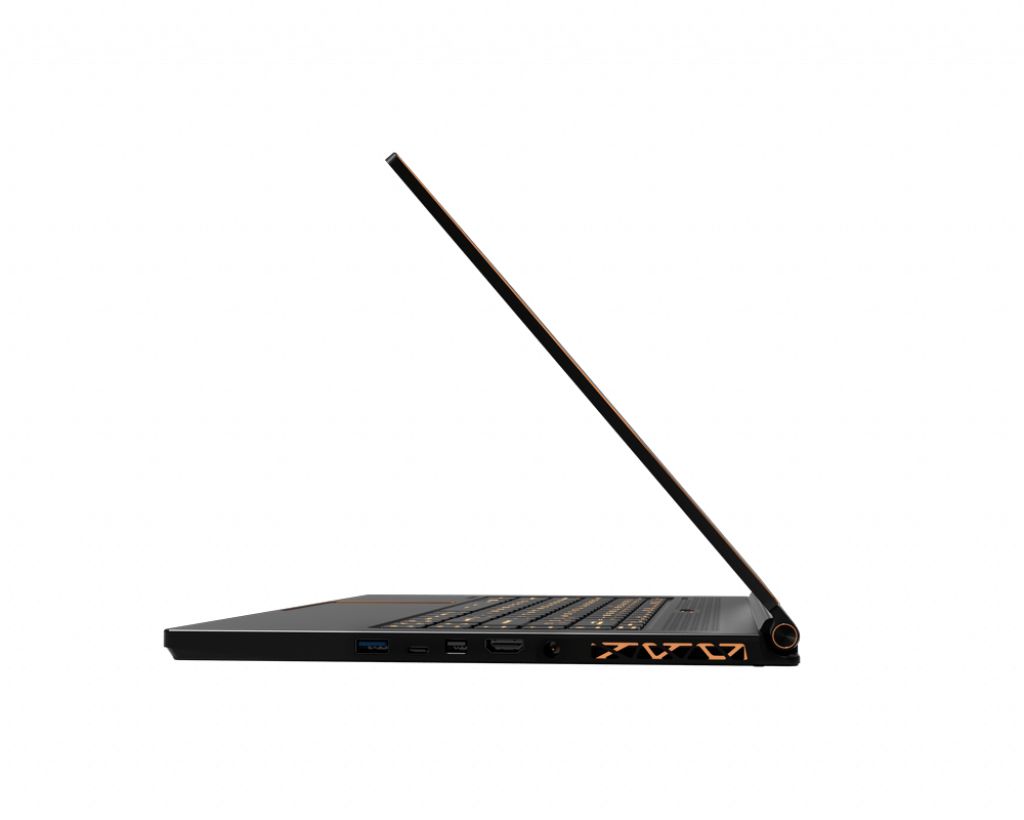
The MSI GS65 8RF-083IT Stealth Thin gaming laptop features DDR4-SDRAM memory with 2x SO-DIMM slots for RAM upgrade capabilities. Maximum supported memory capacity reaches 32 GB total. Compatible upgrades operate at 2666 MHz frequency using SO-DIMM form factor modules. The GS series specifications support memory expansion through dual upgrade slots, enabling users to enhance system performance beyond factory-configured capacity. DDR4 memory modules meeting these specifications are compatible with the MSI Gaming GS65 8RF-083IT Stealth Thin platform.
Memory Upgrade Specifications
| Specification | Value |
|---|---|
| Memory slots | 2x SO-DIMM |
| Form factor | SO-DIMM |
| Memory type | DDR4-SDRAM |
| Frequency | 2666 MHz |
| Maximum RAM | 32 GB |
| Voltage | 1.2V |
| Number of pins | 260-pin |
| Interface | PC4 |
| PC Speed Rating | PC4-2666 (PC4-21328) |
| Bandwidth | 21.3 GB/s |
| Laptop Release date | 07 March 2019 |
Additional Notes
- The MSI GS65 8RF-083IT Stealth Thin accepts only SO-DIMM modules, which are significantly shorter than standard DIMM form factors. This ultrabook design constraint eliminates compatibility with desktop RAM and restricts sourcing to laptop-specific inventory.
- DDR4-2666 MHz operation establishes a performance ceiling for memory subsystem bandwidth. Upgrading to faster DDR4 modules (3000+ MHz) will not yield proportional performance gains due to BIOS-level frequency locking on 8th generation mobile platforms, resulting in downclocking to native specifications.
- The 2-slot architecture with 32 GB maximum capacity requires dual 16 GB modules to reach the upgrade limit. Single-slot upgrades produce asymmetric dual-channel configurations, reducing memory bandwidth efficiency compared to matched-pair installations.
- Upgrading beyond the factory configuration voids thermal design margins within the compact chassis. Additional RAM modules increase heat dissipation in the SODIMM area; inadequate thermal management may trigger throttling in sustained gaming loads despite rated capacity support.
- 8th generation Intel platform firmware may require BIOS updates to stabilize non-OEM memory modules. Compatibility issues manifest as random crashes or boot failures weeks after installation rather than immediate detection, creating post-warranty troubleshooting complexity.
- The native frequency specification aligns with DDR4-2666 CAS 19 binning, not the faster DDR4-2933 or DDR4-3200 tiers. Third-party modules rated for higher speeds will operate at reduced specifications, making premium pricing unjustifiable for this platform generation.