MSI Gaming GS65 8SF-035ES Stealth RAM upgrade specifications
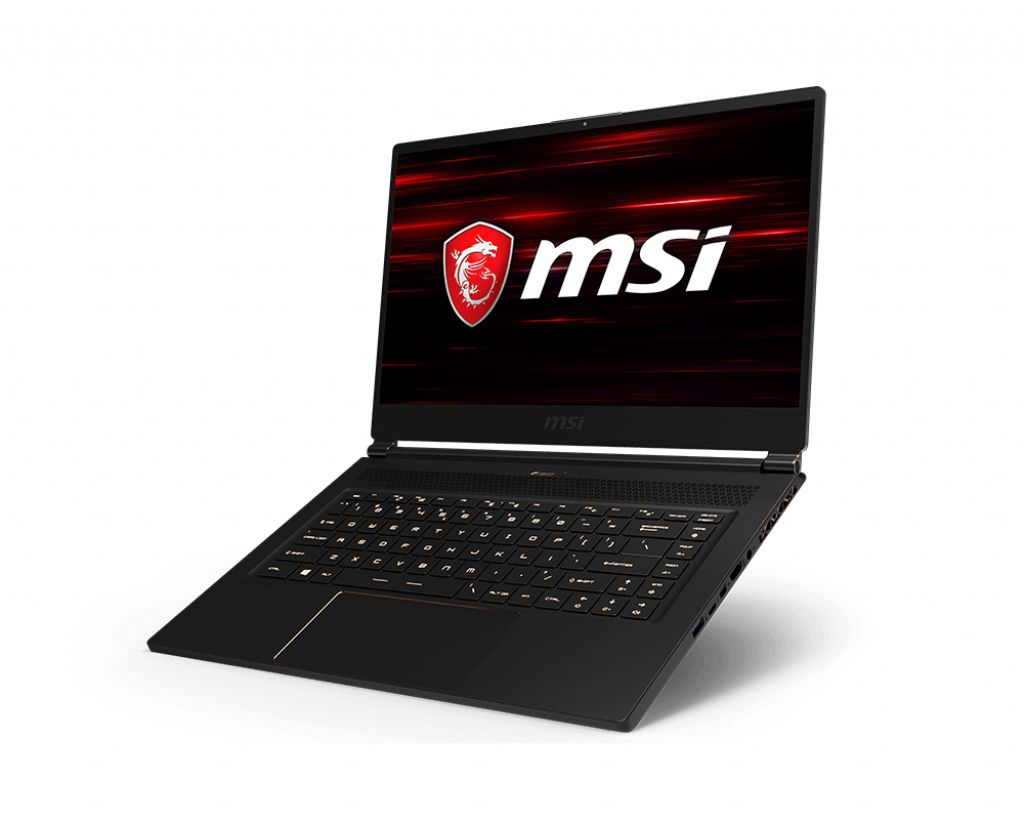
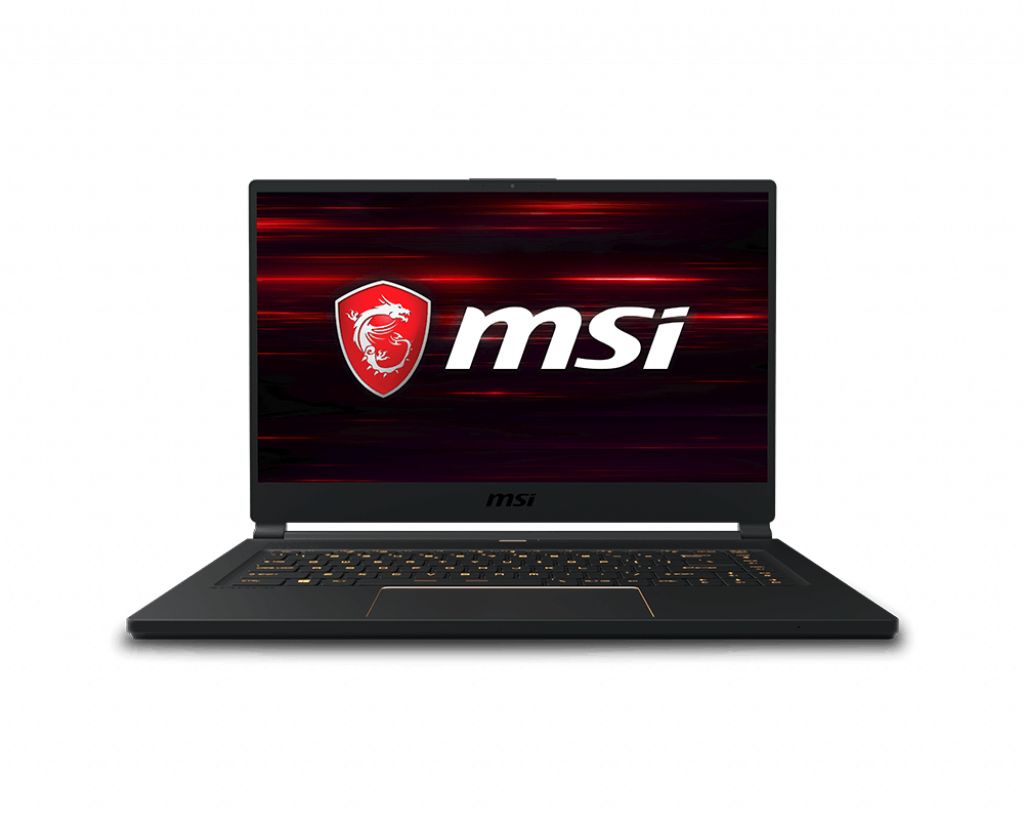


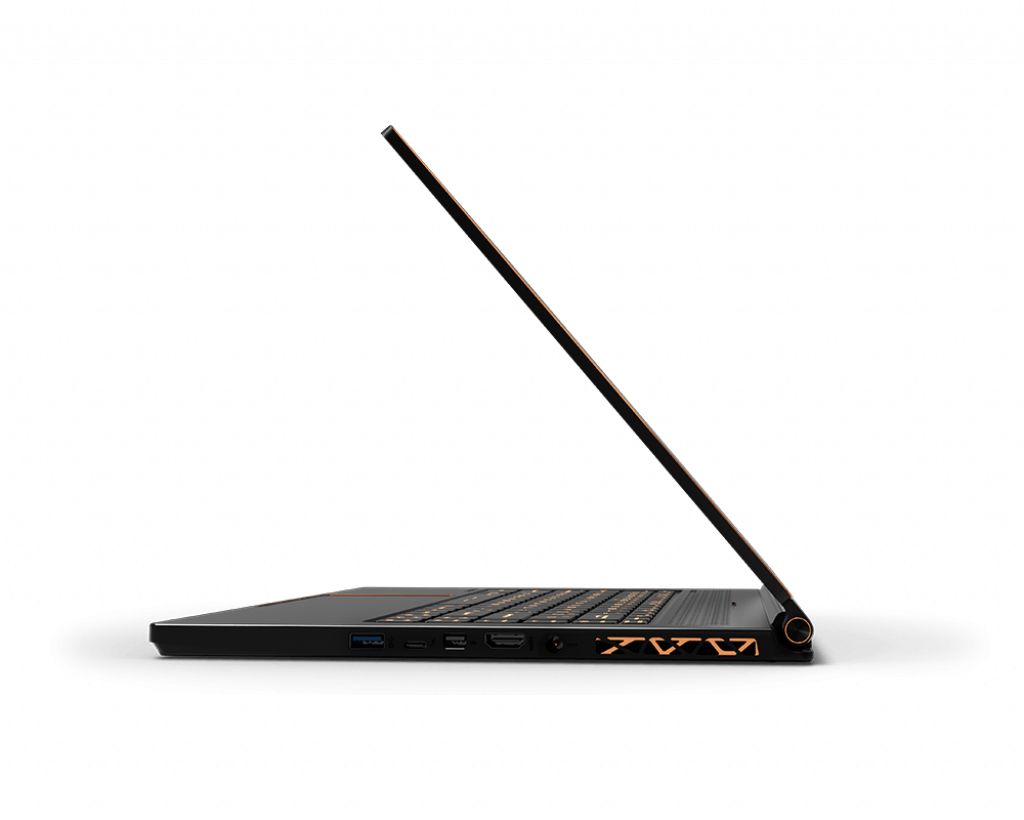
MSI GS65 8SF-035ES Stealth gaming laptop features DDR4-SDRAM memory upgrade capability with 2x SO-DIMM slots supporting maximum 32 GB capacity. Compatible DDR4 modules operate at 2666 MHz frequency. Upgrade specifications enable expansion from factory-installed memory configuration to specifications of 32 GB total RAM. SO-DIMM form factor modules are required for memory slot compatibility on GS65 8SF-035ES Stealth model.
Memory Upgrade Specifications
| Specification | Value |
|---|---|
| Memory slots | 2x SO-DIMM |
| Form factor | SO-DIMM |
| Memory type | DDR4-SDRAM |
| Frequency | 2666 MHz |
| Maximum RAM | 32 GB |
| Voltage | 1.2V |
| Number of pins | 260-pin |
| Interface | PC4 |
| PC Speed Rating | PC4-2666 (PC4-21328) |
| Bandwidth | 21.3 GB/s |
| Laptop Release date | 10 January 2019 |
Additional Notes
- The 32 GB maximum capacity constraint reflects chipset or BIOS limitations rather than physical slot restrictions, preventing use of higher-density modules that exceed this ceiling.
- SO-DIMM form factor indicates laptop-specific memory modules measuring approximately 67.6 mm in length, incompatible with standard desktop DIMM modules.
- The 2666 MHz frequency specification represents the officially supported speed, though the system may accept higher-rated modules by downclocking them to this validated threshold.
- Dual-channel architecture enabled by 2 populated slots delivers approximately double the memory bandwidth compared to single-module configurations of equivalent total capacity.
- DDR4-SDRAM technology operates at lower voltage (1.2V) than DDR3 predecessors, reducing thermal output within the confined thermal envelope of this chassis.
- Installation requires accessing the bottom panel, with potential warranty implications depending on regional consumer protection laws and manufacturer seal placement.
- Mixing modules with different speeds forces the memory controller to operate all modules at the slowest common frequency.
- Non-ECC (unbuffered) memory represents the standard for this platform, as ECC SO-DIMMs would be physically incompatible with the memory controller architecture.
- Single-rank versus dual-rank module topology affects achievable capacity per slot, with dual-rank 16 GB modules required to reach the 32 GB maximum across 2 slots.
- The 8th generation Intel platform (implied by model designation "8SF") lacks native support for DDR4 speeds exceeding 2666 MHz without overclocking profiles.