MSI Gaming GS65 8SF-026IT Stealth RAM upgrade specifications
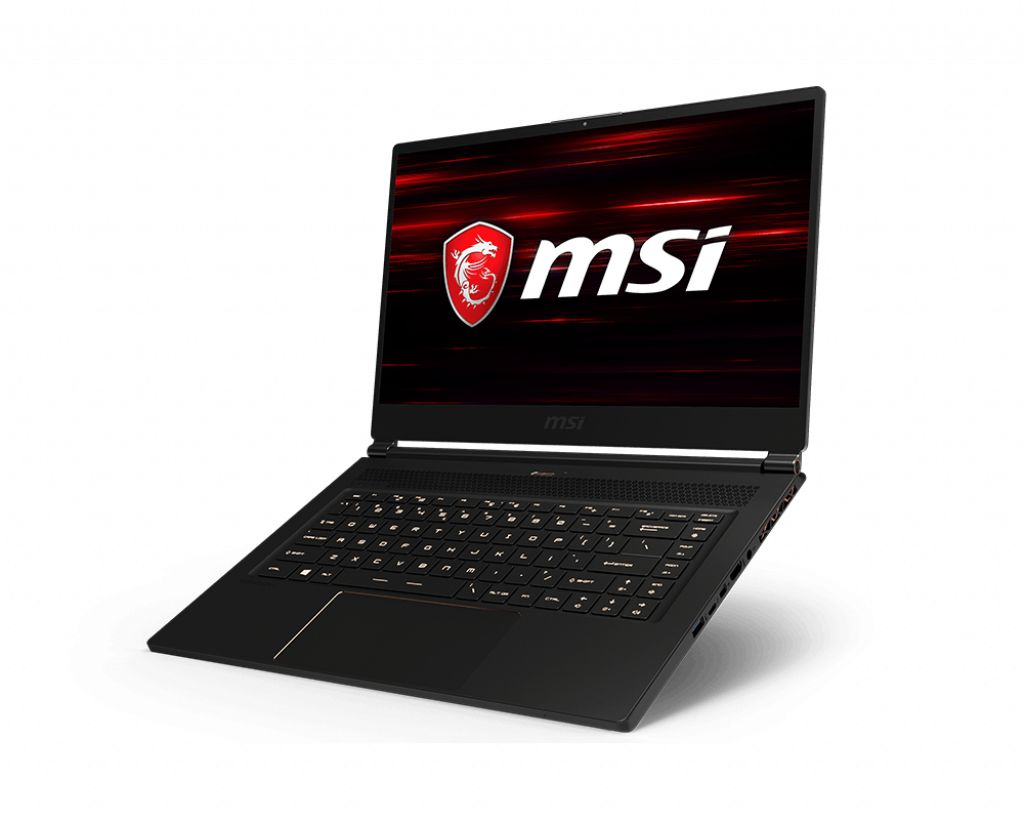
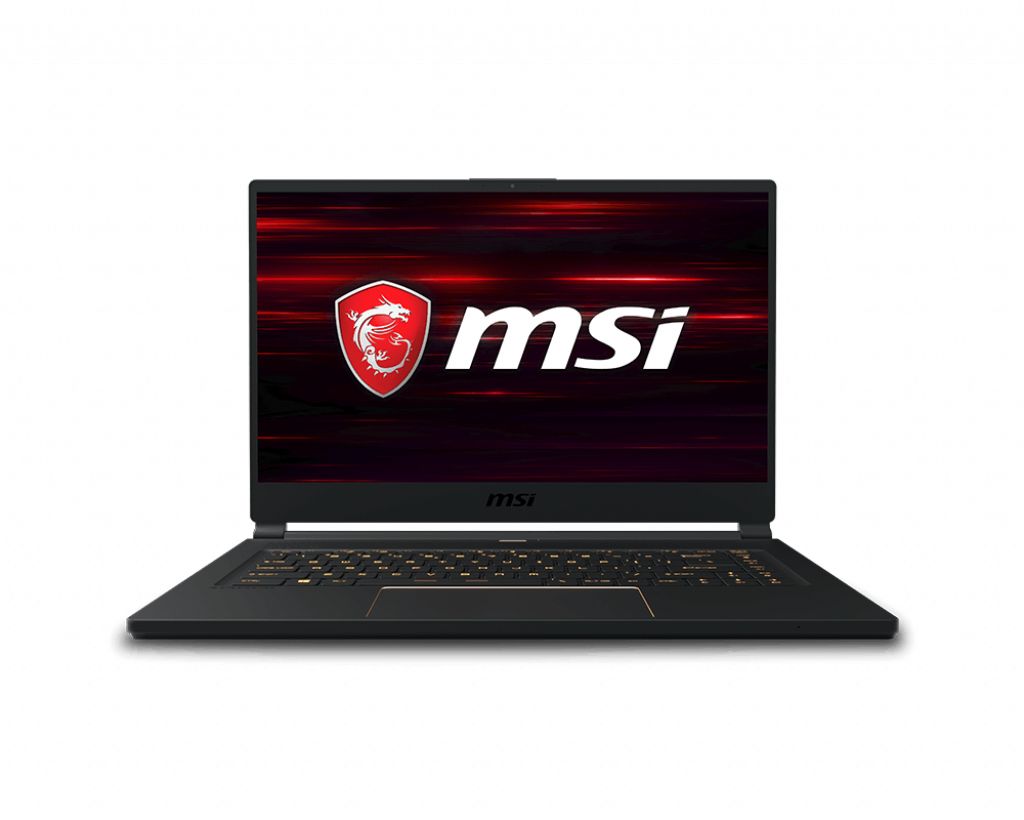



MSI GS65 8SF-026IT Stealth gaming laptop supports DDR4-SDRAM memory upgrades through two SO-DIMM slots. Maximum RAM capacity reaches 32 GB total, with compatible modules operating at 2666 MHz frequency. Upgrade specifications allow installation of DDR4 memory modules in SO-DIMM form factor, enabling users to expand the laptop's memory configuration beyond factory specifications for enhanced multitasking performance.
Memory Upgrade Specifications
| Specification | Value |
|---|---|
| Memory slots | 2x SO-DIMM |
| Form factor | SO-DIMM |
| Memory type | DDR4-SDRAM |
| Frequency | 2666 MHz |
| Maximum RAM | 32 GB |
| Voltage | 1.2V |
| Number of pins | 260-pin |
| Interface | PC4 |
| PC Speed Rating | PC4-2666 (PC4-21328) |
| Bandwidth | 21.3 GB/s |
| Laptop Release date | 16 January 2019 |
Additional Notes
- The MSI GS65 8SF-026IT Stealth implements a dual-channel memory architecture that requires matched module pairs to achieve optimal bandwidth utilization.
- DDR4-2666 represents a transfer rate of 21,328 MB/s per channel, yielding 42,656 MB/s theoretical maximum in dual-channel configuration.
- Installing modules with mixed frequencies forces all memory to operate at the speed of the slowest module installed.
- The 32 GB ceiling necessitates 16 GB modules per slot to reach maximum capacity, eliminating configurations using 8 GB modules for full expansion.
- SO-DIMM modules measuring 69.6 mm in length require verification of physical clearance between memory slots and adjacent thermal solutions.
- Mixing different module ranks (single-rank with dual-rank) may introduce latency penalties or instability under sustained workloads.
- JEDEC-standard DDR4-2666 operates at 1.2V, while overclocked or XMP modules may require voltage adjustments unsupported by mobile platform firmware.
- Intel 8th generation mobile processors paired with this memory standard impose memory controller limitations that prevent stable operation beyond JEDEC specifications.
- Mismatched CAS latencies between modules can trigger conservative timing fallback, reducing effective memory performance below rated specifications.
- Access to memory slots typically requires complete bottom panel removal, potentially voiding seals that indicate warranty-protected service areas.
- Operating temperature thresholds for SO-DIMM modules in gaming chassis often exceed desktop environments, necessitating modules rated for extended thermal ranges.
- Single-module configurations halve memory bandwidth by disabling dual-channel operation, creating bottlenecks in GPU-intensive applications relying on shared system memory.