MSI Gaming GS65 8SF-019NL Stealth RAM upgrade specifications
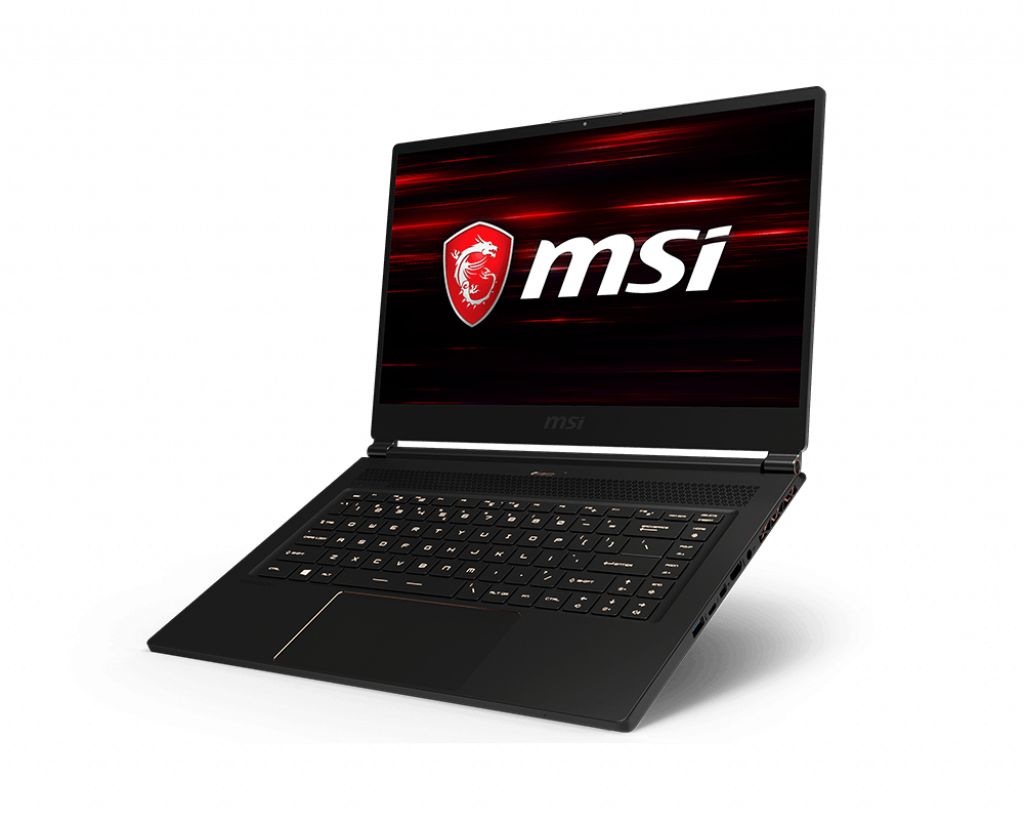



The MSI GS65 8SF-019NL Stealth gaming laptop supports DDR4-SDRAM memory upgrades through 2x SO-DIMM slots. Maximum RAM capacity reaches 32 GB with compatible modules operating at 2666 MHz frequency. Memory upgrade specifications indicate SO-DIMM form factor compatibility. The GS series specifications allow for dual-channel memory configuration to enhance system performance. Current and future RAM upgrades must adhere to DDR4-SDRAM standards and SO-DIMM slot requirements for proper compatibility with the MSI Gaming GS65 8SF-019NL Stealth specifications.
Memory Upgrade Specifications
| Specification | Value |
|---|---|
| Memory slots | 2x SO-DIMM |
| Form factor | SO-DIMM |
| Memory type | DDR4-SDRAM |
| Frequency | 2666 MHz |
| Maximum RAM | 32 GB |
| Voltage | 1.2V |
| Number of pins | 260-pin |
| Interface | PC4 |
| PC Speed Rating | PC4-2666 (PC4-21328) |
| Bandwidth | 21.3 GB/s |
| Laptop Release date | 31 January 2019 |
Additional Notes
- The internal motherboard layout of the MSI GS65 8SF-019NL Stealth utilizes a flipped design where the memory slots are located on the underside of the main circuit board.
- Accessing the slots for a hardware change requires the complete removal of the motherboard and the disconnection of several delicate ribbon cables.
- Installing modules with speeds exceeding 2666 MHz results in automatic downclocking to match the native memory controller limitations of the 8th Gen architecture.
- Dual channel memory bandwidth is only achievable when both slots are occupied by modules of identical density and rank.
- The 32 GB capacity threshold is a hardware firmware limitation that prevents the recognition of high density 32 GB single sticks.
- High profile heat spreaders on aftermarket RAM modules may interfere with the chassis closure due to the extremely thin profile of the cooling assembly.
- Thermal pads on the original factory RAM may need replacement or careful repositioning to maintain heat dissipation away from the chips during heavy workloads.
- Voltage requirements are strictly limited to 1.2V standards as the BIOS typically lacks the XMP adjustments needed for high voltage performance kits.