MSI Gaming GS65 8SF Stealth RAM upgrade specifications


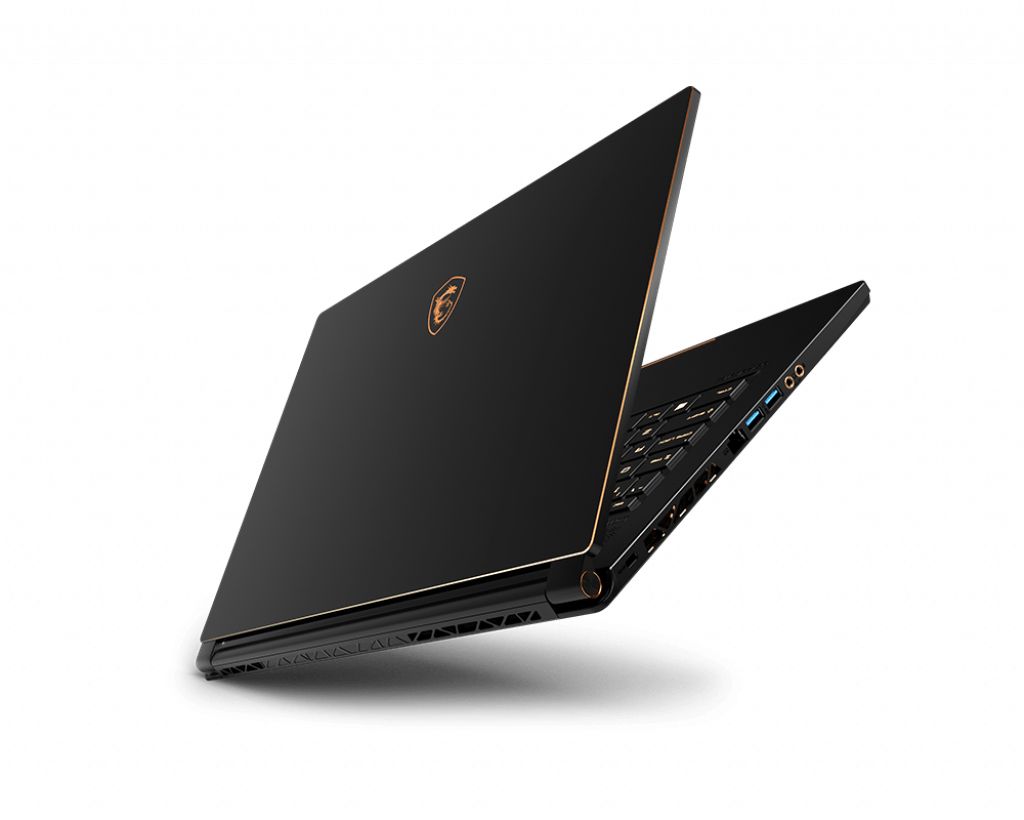

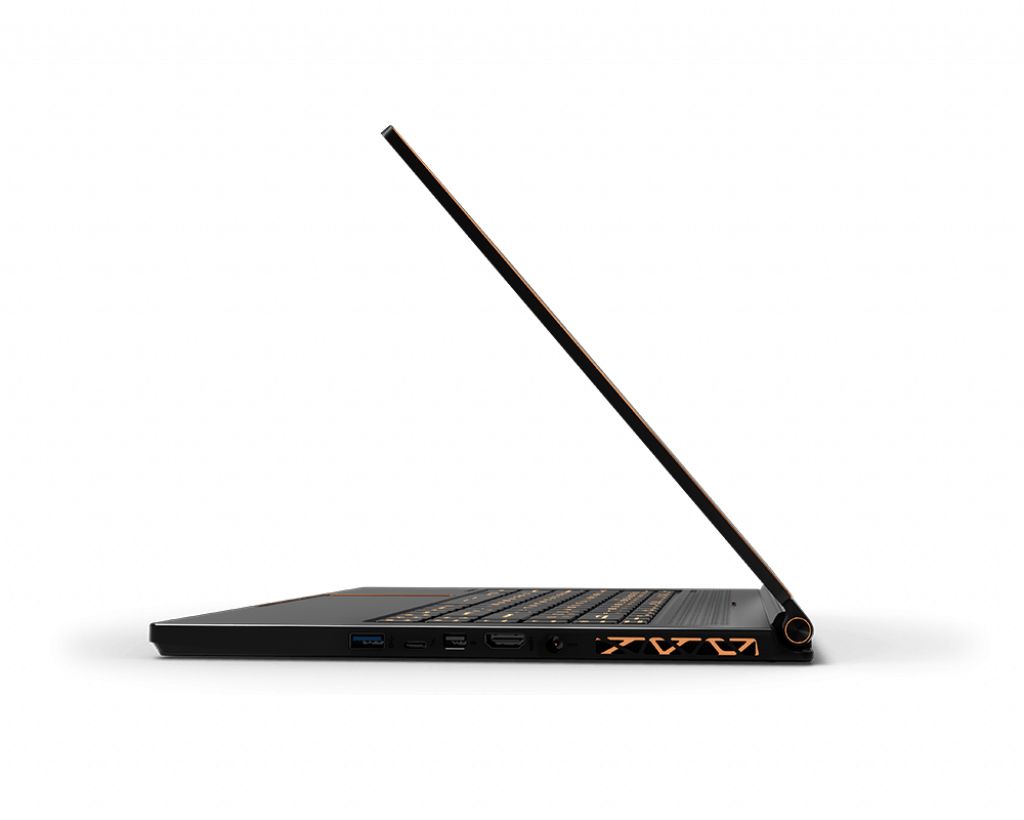
The MSI GS65 8SF Stealth gaming laptop features DDR4-SDRAM memory with two SO-DIMM slots for RAM upgrade capability. Maximum supported capacity reaches 32 GB total memory. Memory operates at 2666 MHz frequency specifications. Compatible DDR4 SO-DIMM modules can be installed in either slot to expand system memory capacity. Upgrade options allow users to configure the GS series model with increased RAM specifications for enhanced multitasking and performance capabilities.
Memory Upgrade Specifications
| Specification | Value |
|---|---|
| Memory slots | 2x SO-DIMM |
| Form factor | SO-DIMM |
| Memory type | DDR4-SDRAM |
| Frequency | 2666 MHz |
| Maximum RAM | 32 GB |
| Voltage | 1.2V |
| Number of pins | 260-pin |
| Interface | PC4 |
| PC Speed Rating | PC4-2666 (PC4-21328) |
| Bandwidth | 21.3 GB/s |
| Laptop Release date | 25 May 2019 |
Additional Notes
- The MSI GS65 8SF Stealth contains 2 SO-DIMM slots operating in dual-channel configuration, which means single-module upgrades will forfeit bandwidth advantages and operate at reduced performance compared to matched-pair installations.
- DDR4-2666 MHz represents the platform's rated specification, but the 8th-generation Intel processor in this chassis supports DDR4-2400 natively; any modules rated above 2400 MHz will downclock to JEDEC standards unless manual BIOS tuning enables XMP profiles, introducing compatibility variability across BIOS revisions.
- The 32 GB ceiling accommodates 2x 16 GB SO-DIMM modules, establishing a pathway for future capacity expansion without replacing existing memory if only 1 slot is currently populated.
- SO-DIMM form factor requires laptop disassembly and potential warranty implications depending on MSI's service policies; upgrading through non-authorized channels may void coverage on unrelated hardware components.
- Dual-channel memory architecture in gaming workloads creates performance sensitivity to latency and frequency matching; mismatched module speeds or timings can produce 3-8% frame rate variance in graphics-intensive scenarios due to memory bandwidth starvation on the integrated or discrete GPU.
- DDR4-2666 modules sourced from consumer or workstation inventory may contain incompatible Serial Presence Detect (SPD) configurations, requiring manual timing entry rather than automatic detection in BIOS.