MSI Gaming GS65 8SE-090RU Stealth RAM upgrade specifications
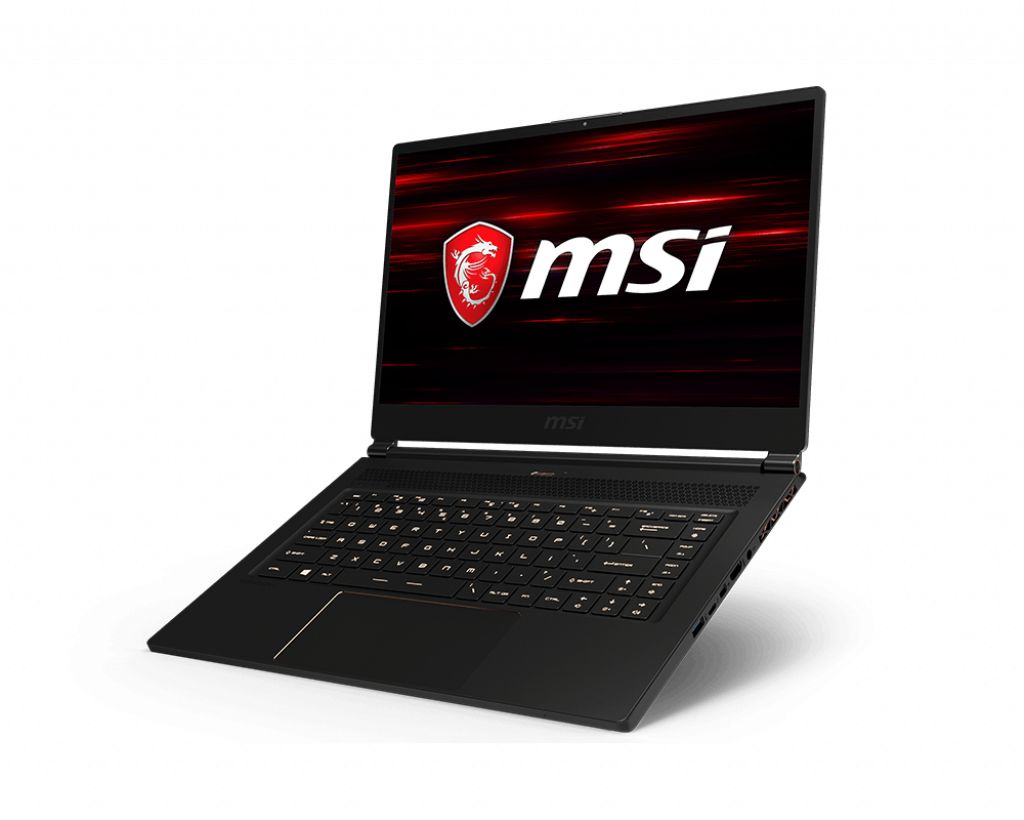



The MSI GS65 8SE-090RU Stealth gaming laptop supports DDR4-SDRAM memory upgrades with two SO-DIMM slots available for expansion. Maximum RAM capacity reaches 32 GB total, with compatible modules operating at 2666 MHz frequency. The GS series laptop memory upgrade specifications allow for modular expansion of storage capacity through standard SO-DIMM form factor modules. Current memory configuration supports dual-channel DDR4 architecture for enhanced performance in gaming applications.
Memory Upgrade Specifications
| Specification | Value |
|---|---|
| Memory slots | 2x SO-DIMM |
| Form factor | SO-DIMM |
| Memory type | DDR4-SDRAM |
| Frequency | 2666 MHz |
| Maximum RAM | 32 GB |
| Voltage | 1.2V |
| Number of pins | 260-pin |
| Interface | PC4 |
| PC Speed Rating | PC4-2666 (PC4-21328) |
| Bandwidth | 21.3 GB/s |
| Laptop Release date | 07 August 2019 |
Additional Notes
- The SO-DIMM form factor restricts upgrades to laptop-specific modules, which typically cost more per gigabyte than desktop DIMMs and offer fewer vendor options.
- DDR4-2666 operates at PC4-21300 bandwidth, delivering 21.3 GB/s theoretical throughput per channel, which may bottleneck GPU-intensive workloads when sharing system memory with integrated graphics.
- The 32 GB ceiling requires 2x16 GB module configuration, leaving no intermediate upgrade path between 16 GB and maximum capacity.
- JEDEC-standard DDR4-2666 modules run at 1.2V, while faster XMP-rated kits may default to safe speeds in this MSI GS65 8SE-090RU Stealth configuration unless the BIOS supports manual profile activation.
- Dual-channel architecture necessitates matched pairs for optimal performance, meaning single-module additions will halve memory bandwidth even if total capacity increases.
- CAS latency variations between CL15, CL17, and CL19 modules at 2666 MHz create 1-2 nanosecond absolute latency differences that impact CPU-bound tasks like simulation and compilation.
- Non-ECC unbuffered topology means no error correction exists for memory faults, making high-quality modules critical for system stability during sustained workloads.
- Thermal constraints in thin gaming chassis may throttle sustained memory-intensive operations, as SO-DIMM modules rely on chassis airflow rather than dedicated heatspreaders.
- The locked 2666 MHz frequency prevents overclocking headroom, so purchasing DDR4-3200 modules provides no performance benefit despite physical compatibility.
- Most manufacturers void warranties if static discharge or physical damage occurs during user installation, though memory upgrades themselves typically remain warranty-neutral if properly installed.
- Rank configuration affects compatibility, with dual-rank 16 GB modules potentially causing instability on chipsets validated only for single-rank high-capacity DIMMs.