MSI Gaming GS65 8SE-054FR Stealth RAM upgrade specifications
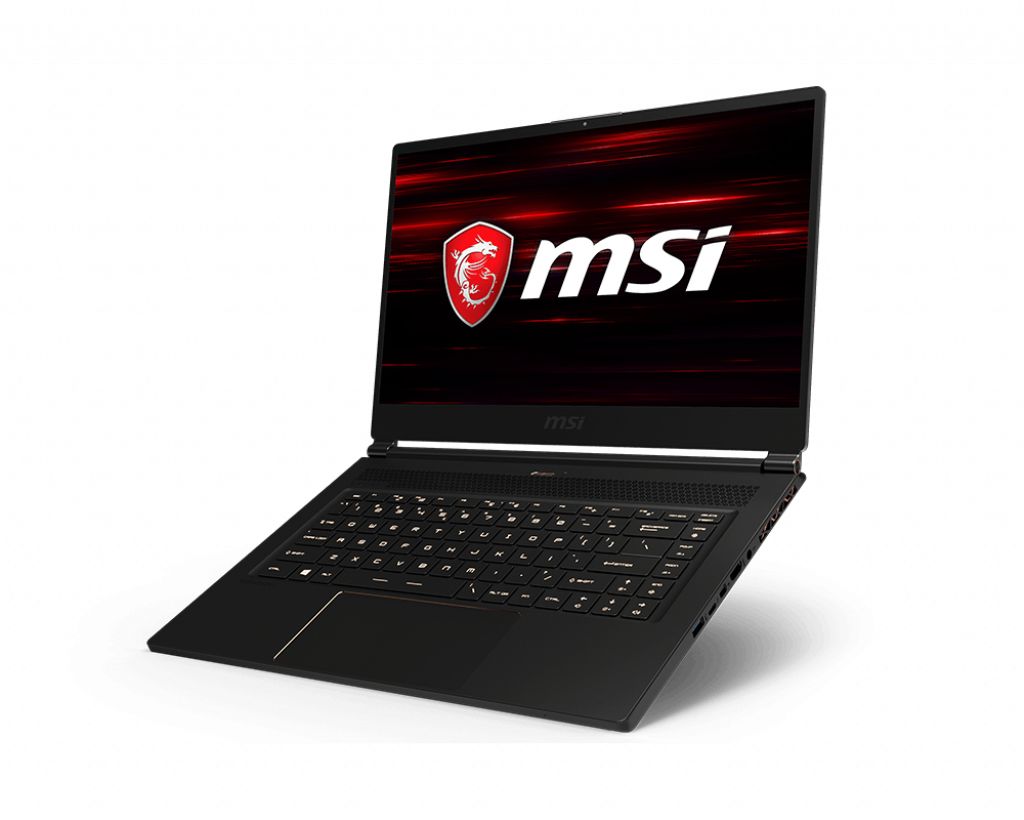
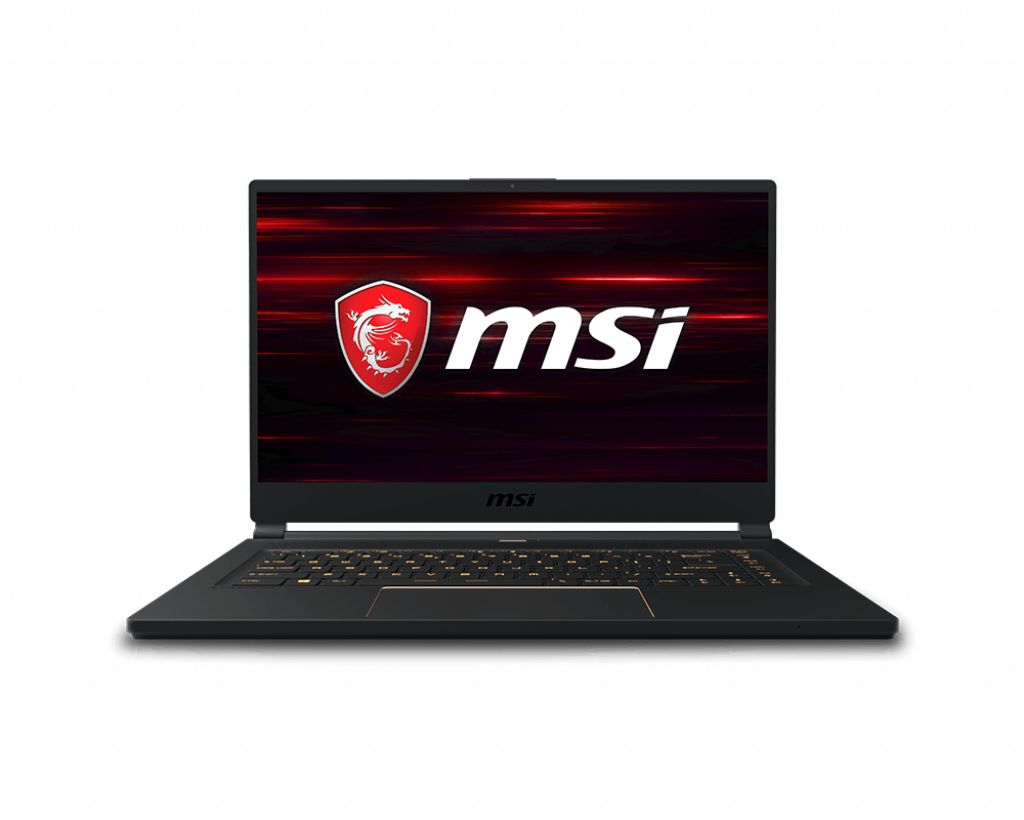

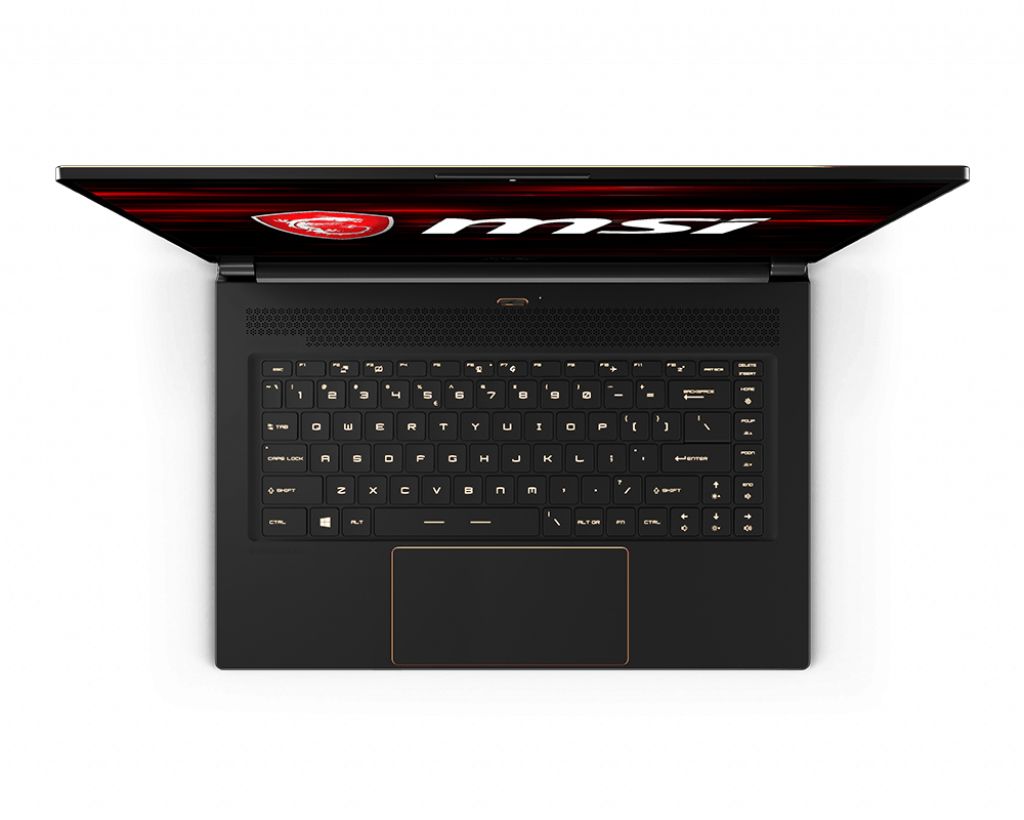
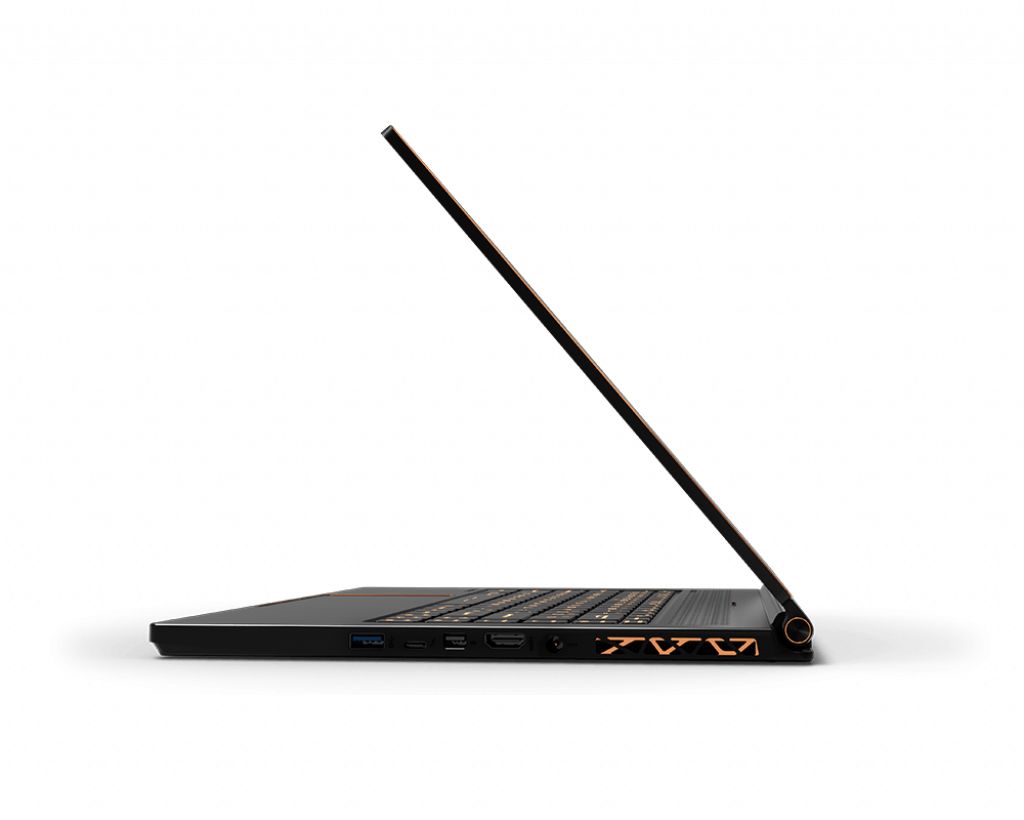
The MSI GS65 8SE-054FR Stealth gaming laptop supports DDR4-SDRAM memory upgrades through two SO-DIMM slots. The maximum supported RAM capacity reaches 32 GB total, with compatible modules operating at 2666 MHz frequency. Specifications indicate SO-DIMM form factor memory modules are required for upgrade compatibility with the GS series gaming platform.
Memory Upgrade Specifications
| Specification | Value |
|---|---|
| Memory slots | 2x SO-DIMM |
| Form factor | SO-DIMM |
| Memory type | DDR4-SDRAM |
| Frequency | 2666 MHz |
| Maximum RAM | 32 GB |
| Voltage | 1.2V |
| Number of pins | 260-pin |
| Interface | PC4 |
| PC Speed Rating | PC4-2666 (PC4-21328) |
| Bandwidth | 21.3 GB/s |
| Laptop Release date | 11 March 2019 |
Additional Notes
- SO-DIMM form factor restricts upgrade options to laptop-specific modules; standard desktop DDR4 DIMMs are physically incompatible and will not install.
- The 2666 MHz frequency ceiling means the MSI GS65 8SE-054FR Stealth will not benefit from higher-frequency DDR4 modules (3000 MHz, 3200 MHz); excess speed capability is unutilized, making premium high-frequency RAM economically inefficient.
- With 2 SO-DIMM slots and a 32 GB maximum capacity, upgrading requires both slots to be populated with 16 GB modules; single-slot upgrades cannot exceed this total ceiling.
- Dual-channel architecture depends on matched module pairs; mixing different capacities, brands, or timings between slots may trigger suboptimal performance or compatibility errors in BIOS POST sequences.
- Replacing existing memory requires full module removal from both slots; existing factory RAM cannot be retained if maximum capacity is pursued, as the architecture does not support 3-slot or 4-slot configurations.
- SO-DIMM modules generate more thermal density than desktop equivalents due to compact packaging; sustained memory-intensive workloads may produce localized heat near the SO-DIMM banks, affecting thermal management in the chassis.
- DDR4-2666 specifications indicate potential memory latency bottlenecks when paired with newer 8th or 9th-generation Intel processors that support higher frequency ranges; the memory speed functions as a bandwidth constraint relative to CPU capability.
- Warranty preservation typically requires OEM-approved memory modules; third-party RAM installation may void coverage unless the manufacturer explicitly permits user-accessible upgrades for this model generation.