MSI Gaming GS65 8SE-044CZ Stealth RAM upgrade specifications
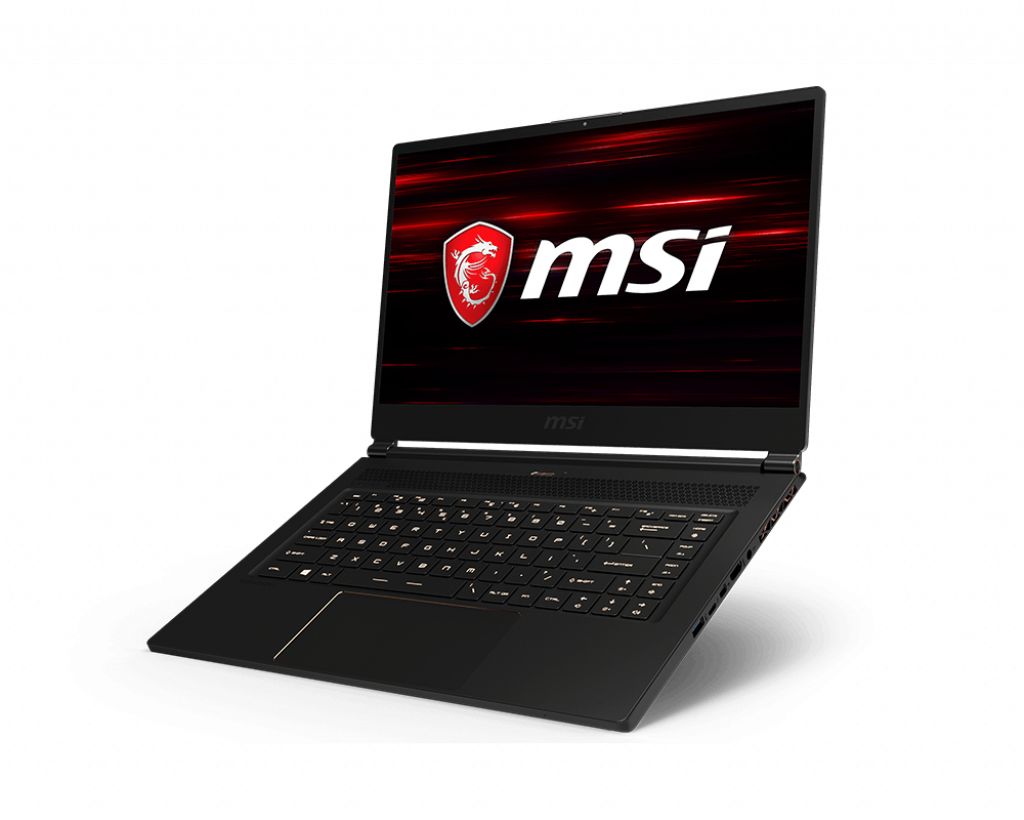
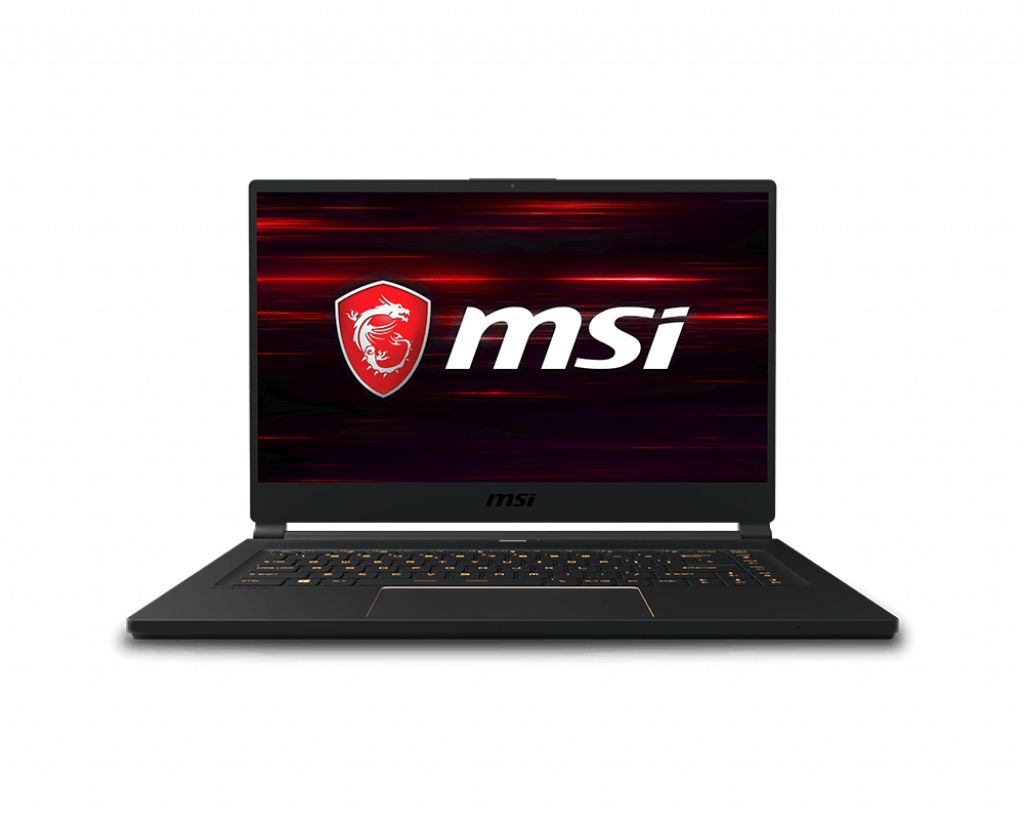


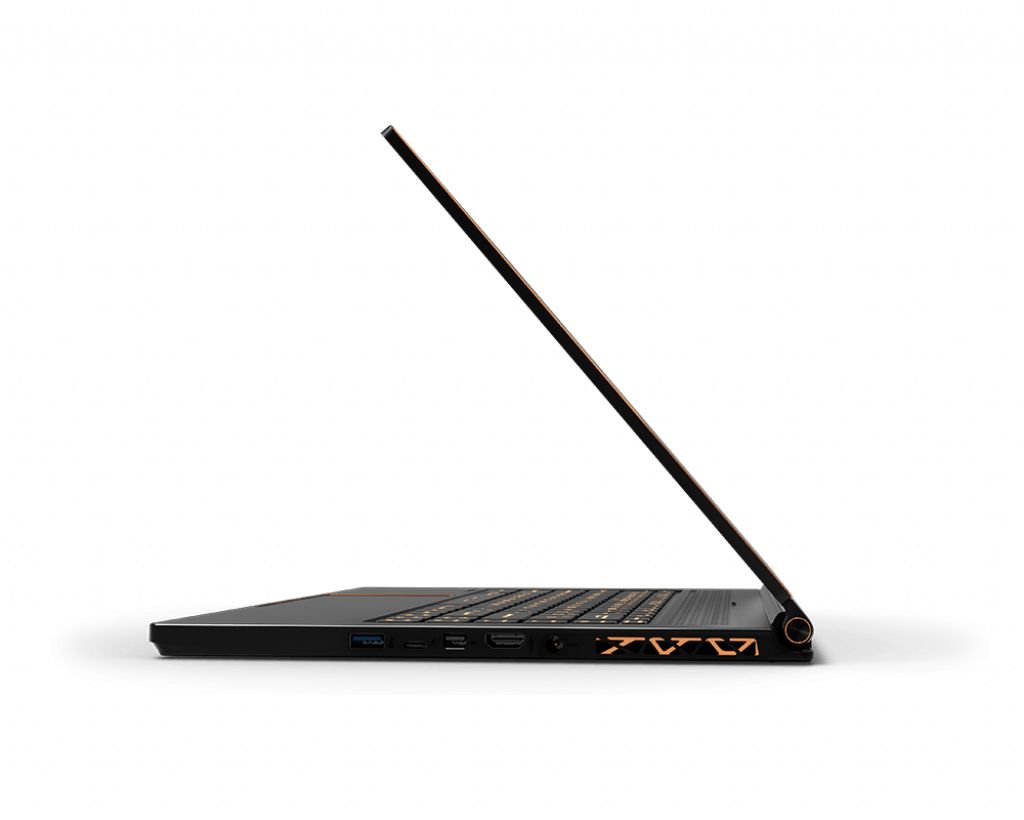
MSI GS65 8SE-044CZ Stealth gaming laptop memory upgrade specifications detail DDR4-SDRAM compatibility with two SO-DIMM slots supporting maximum RAM capacity of 32 GB total. Compatible memory operates at 2666 MHz frequency. Upgrade configurations accommodate various DDR4 modules within specified parameters, allowing users to expand system memory from factory-installed capacity to maximum supported specifications. SO-DIMM form factor and frequency requirements ensure compatibility with upgrade components for enhanced multitasking and performance capabilities.
Memory Upgrade Specifications
| Specification | Value |
|---|---|
| Memory slots | 2x SO-DIMM |
| Form factor | SO-DIMM |
| Memory type | DDR4-SDRAM |
| Frequency | 2666 MHz |
| Maximum RAM | 32 GB |
| Voltage | 1.2V |
| Number of pins | 260-pin |
| Interface | PC4 |
| PC Speed Rating | PC4-2666 (PC4-21328) |
| Bandwidth | 21.3 GB/s |
| Laptop Release date | 25 May 2019 |
Additional Notes
- The MSI GS65 8SE-044CZ Stealth uses SO-DIMM form factor modules, which are physically shorter than standard DIMM modules and require precise insertion angle during installation to avoid contact damage to the connector pins.
- With 2 memory slots and a 32 GB ceiling, each module can accommodate a maximum of 16 GB, limiting configurations to single-channel (one module populated) or dual-channel (both modules populated at matching capacities and speeds).
- The 2666 MHz frequency specification indicates this machine predates current memory standards; replacement modules must match this exact speed or run at reduced performance, as the memory controller locks to the slowest installed module's frequency.
- Upgrading beyond 16 GB per slot requires replacing both existing modules rather than adding a single new one, resulting in higher total replacement cost compared to additive expansion scenarios.
- DDR4-2666 modules are classified as legacy; sourcing matched pairs becomes progressively difficult as manufacturers transition production to newer standards, potentially increasing per-gigabyte pricing for upgrades.
- Dual-channel architecture across both slots delivers approximately 50% higher memory bandwidth than single-channel operation; leaving one slot empty sacrifices this performance multiplier unnecessarily.
- SO-DIMM module height limitations mean certain heatspreader designs marketed for performance overclocking may physically interfere with internal cooling ducts or lid clearance during installation.