MSI Gaming GS65 8SE-060 Stealth RAM upgrade specifications
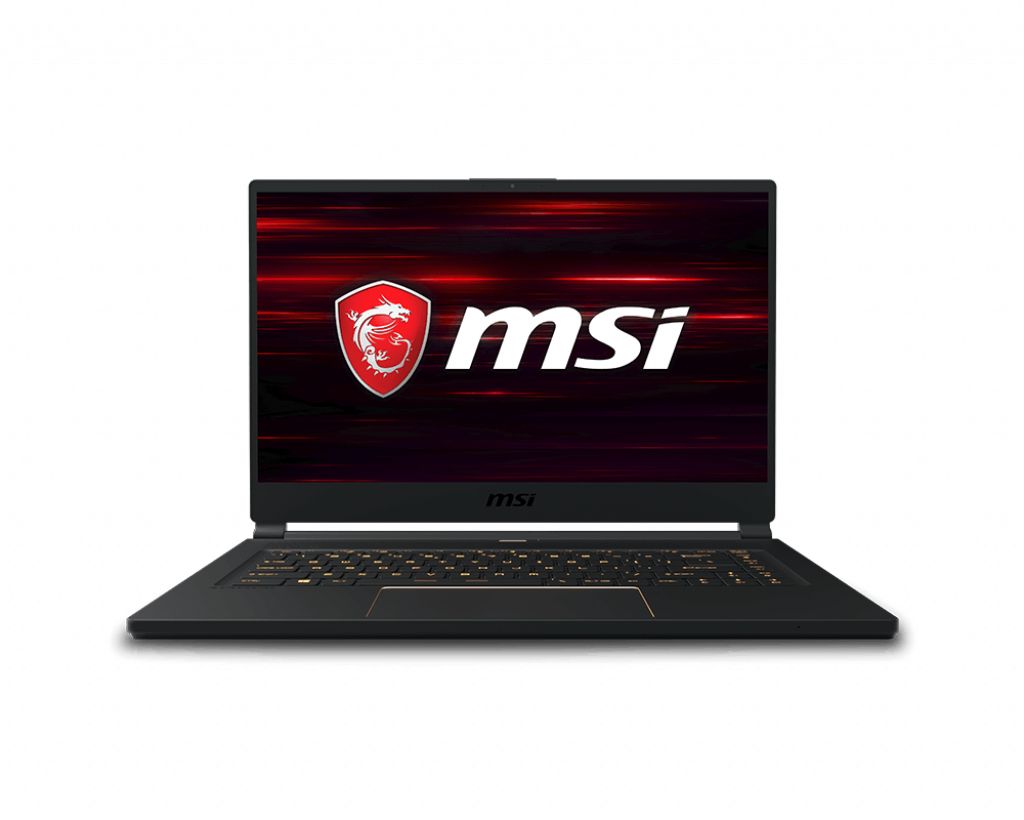
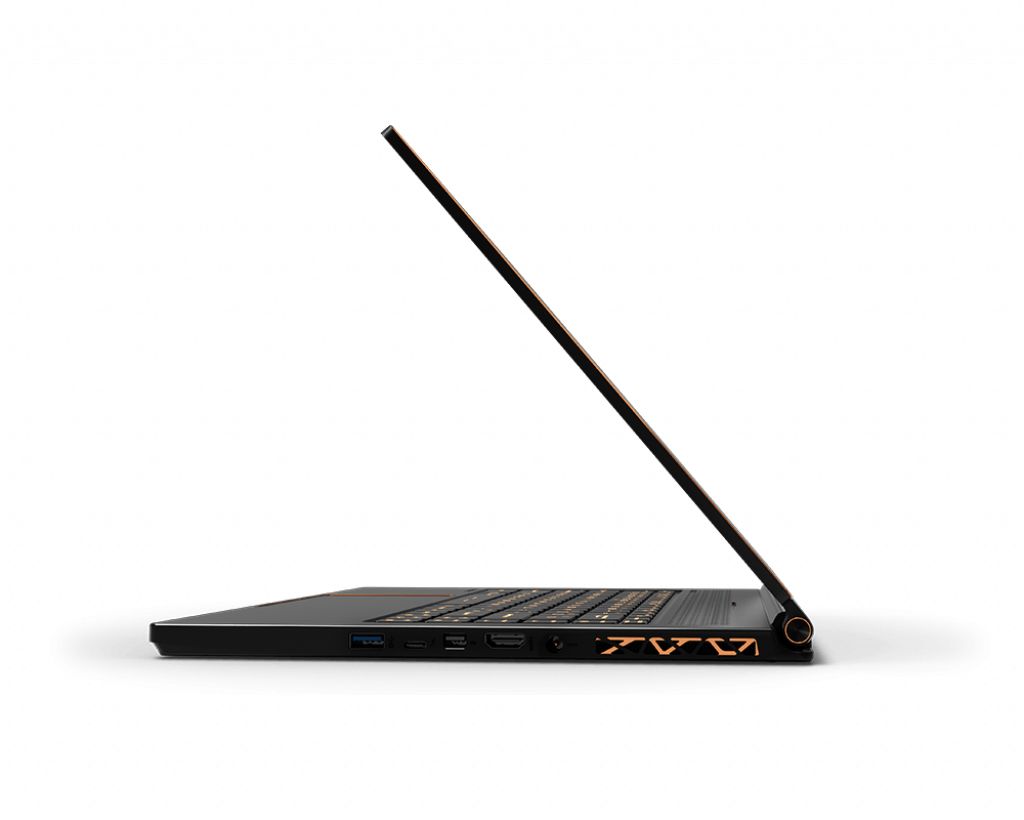

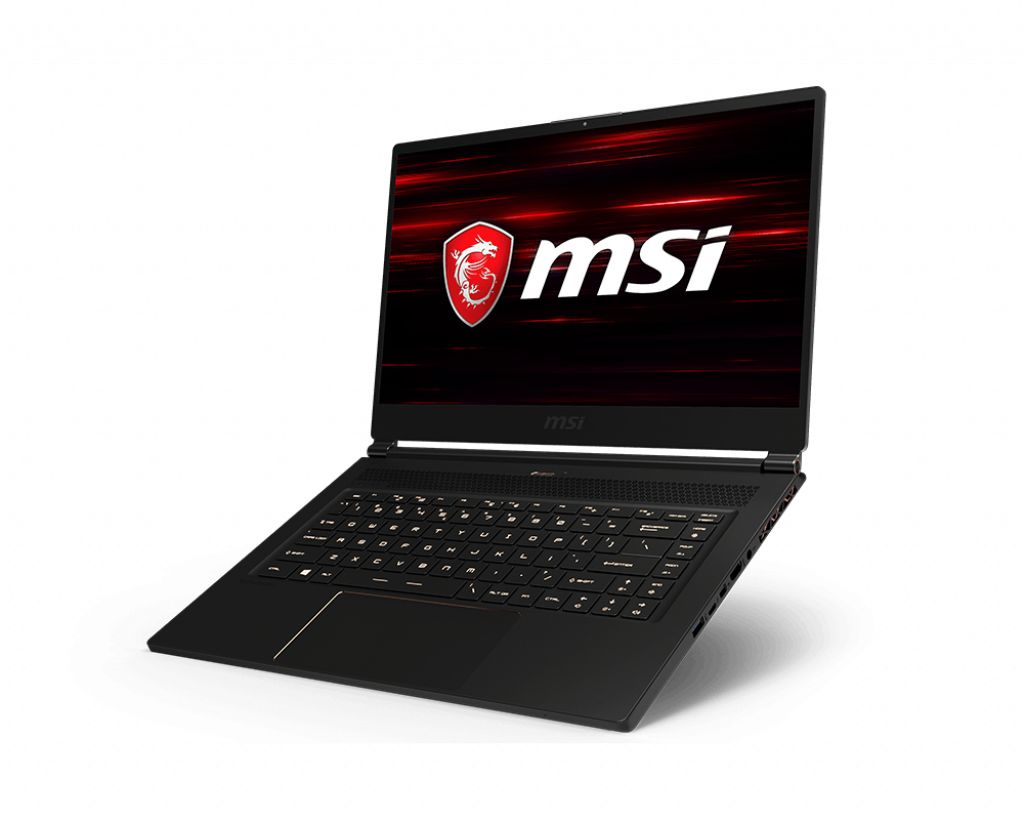

The MSI GS65 8SE-060 Stealth gaming laptop supports DDR4-SDRAM memory upgrades across 2 SO-DIMM slots. Maximum RAM capacity reaches 32 GB total. Each slot accommodates SO-DIMM modules operating at 2666 MHz frequency. Compatible upgrades enable expansion from factory configuration to specifications supporting demanding gaming and creative applications. Detailed RAM upgrade specifications for MSI GS Gaming Series GS65 8SE-060 Stealth model are provided for memory expansion planning.
Memory Upgrade Specifications
| Specification | Value |
|---|---|
| Memory slots | 2x SO-DIMM |
| Form factor | SO-DIMM |
| Memory type | DDR4-SDRAM |
| Frequency | 2666 MHz |
| Maximum RAM | 32 GB |
| Voltage | 1.2V |
| Number of pins | 260-pin |
| Interface | PC4 |
| PC Speed Rating | PC4-2666 (PC4-21328) |
| Bandwidth | 21.3 GB/s |
| Laptop Release date | 08 April 2019 |
Additional Notes
- The MSI GS65 8SE-060 Stealth supports dual-channel memory architecture through its 2 SO-DIMM slots, enabling bandwidth up to 42.6 GB/s when populated with matched pairs at 2666 MHz.
- Installing a single module will halve the memory bandwidth, potentially reducing integrated graphics performance and system responsiveness in memory-intensive applications.
- The 32 GB ceiling requires 2 modules of 16 GB each, as exceeding this capacity may prevent POST or cause system instability despite physical installation.
- Modules rated above 2666 MHz will downclock to match the controller's maximum supported frequency, offering no performance benefit over native-speed components.
- SO-DIMM form factor differs from standard desktop DIMM modules by pin count (260-pin vs 288-pin) and physical length, making desktop memory mechanically incompatible.
- Memory operates at 1.2V standard for DDR4, while modules requiring 1.35V or higher may function but could generate excess heat in the confined laptop chassis.
- CAS latency variations at 2666 MHz (CL15 vs CL19) create performance differences of 3 to 5 percent in latency-sensitive workloads, though most applications will show negligible impact.
- Access to memory slots typically requires bottom panel removal and may void warranty seals depending on regional consumer protection laws and manufacturer policies.
- Mixing modules with different densities or timings forces the memory controller to operate all modules at the lowest common specifications, potentially underutilizing faster components.
- Single-rank versus dual-rank module architecture at 16 GB capacity affects memory interleaving efficiency, with dual-rank configurations offering 5 to 10 percent higher throughput in specific rendering and compression tasks.