MSI Gaming GS65 8SF-051FR Stealth RAM upgrade specifications

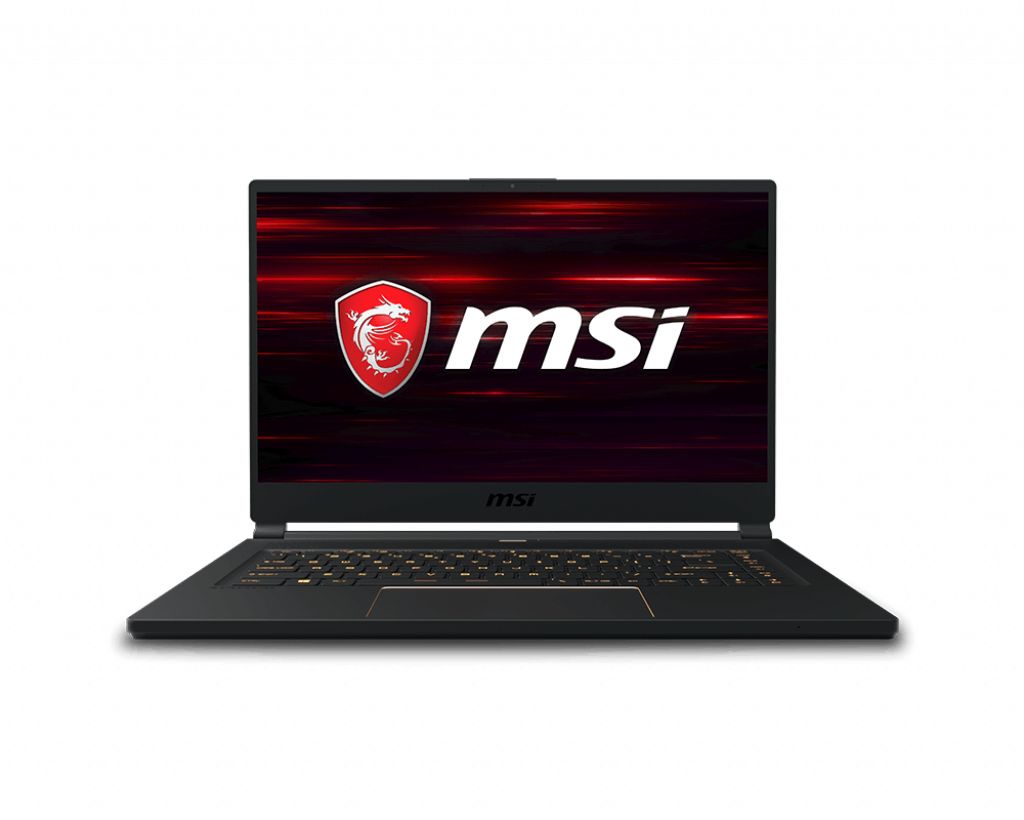


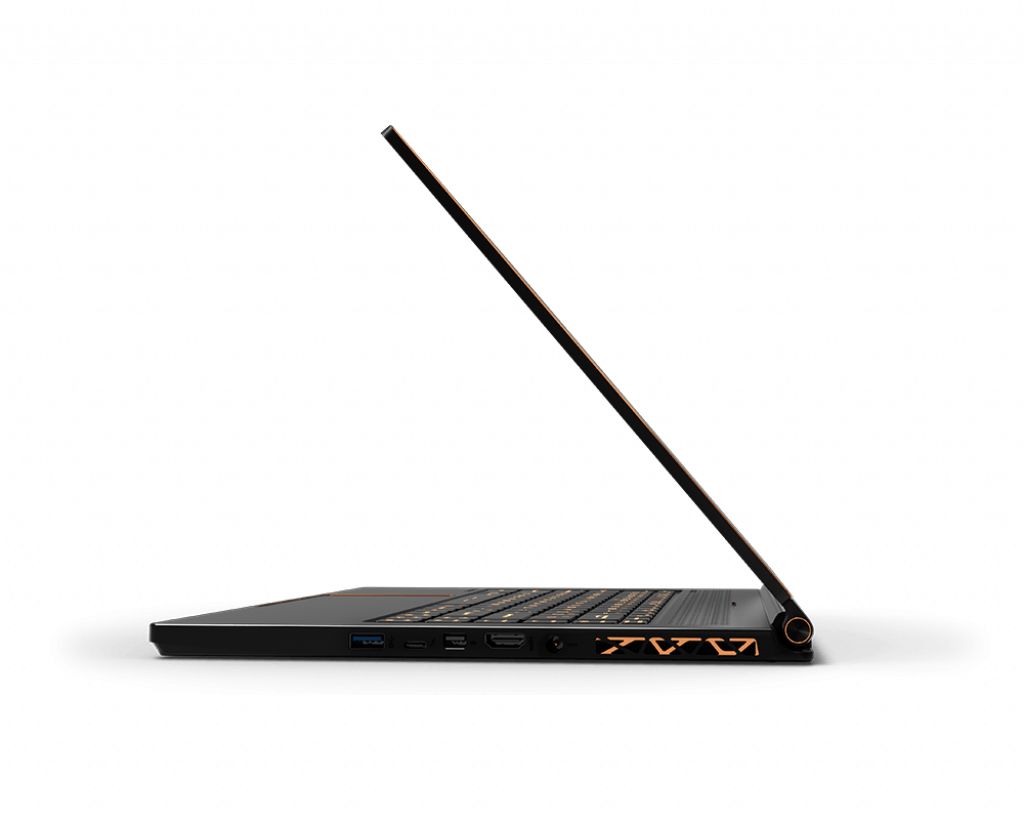
The MSI GS65 8SF-051FR Stealth gaming laptop features DDR4-SDRAM memory upgrade capabilities with 2x SO-DIMM slots supporting maximum memory capacity of 32 GB total. Compatible memory modules operate at 2666 MHz frequency using SO-DIMM form factor. RAM upgrade specifications enable expansion from baseline configuration to maximum 32 GB capacity across both available memory slots on the GS series portable gaming system.
Memory Upgrade Specifications
| Specification | Value |
|---|---|
| Memory slots | 2x SO-DIMM |
| Form factor | SO-DIMM |
| Memory type | DDR4-SDRAM |
| Frequency | 2666 MHz |
| Maximum RAM | 32 GB |
| Voltage | 1.2V |
| Number of pins | 260-pin |
| Interface | PC4 |
| PC Speed Rating | PC4-2666 (PC4-21328) |
| Bandwidth | 21.3 GB/s |
| Laptop Release date | 07 March 2019 |
Additional Notes
- The MSI GS65 8SF Stealth utilizes SO-DIMM modules rather than standard DIMM, meaning desktop memory modules are physically incompatible with this chassis.
- The 2666 MHz specification represents the tested frequency, though DDR4 modules rated at higher speeds will downclock automatically to match this controller limitation.
- With only 2 physical slots available, reaching the 32 GB ceiling requires a complete replacement of existing modules with a matched 16 GB pair rather than incremental expansion.
- DDR4-2666 operates at PC4-21300 bandwidth, delivering 21.3 GB/s theoretical throughput per channel in dual-channel configuration.
- The 32 GB maximum constraint originates from the Intel HM370 chipset paired with 8th generation mobile processors, which lack support for 32 GB SO-DIMM modules.
- Mixing modules of different densities across the 2 slots will force both modules to operate in single-channel mode, effectively halving memory bandwidth.
- Installation requires bottom panel removal to access the memory bay, though this process typically preserves manufacturer warranty when performed without component damage.
- The DDR4 specification mandates 1.2V operation, making voltage adjustment unnecessary and preventing compatibility issues from overvoltage scenarios common with DDR3 systems.
- Upgrading from single-channel to dual-channel configuration can eliminate GPU frame pacing stutters in titles where integrated graphics shares system memory bandwidth.
- Non-ECC unbuffered modules are required, as registered or ECC memory types introduce electrical incompatibilities with the consumer-grade memory controller.