MSI Gaming GS65 8SF-052AU Stealth RAM upgrade specifications
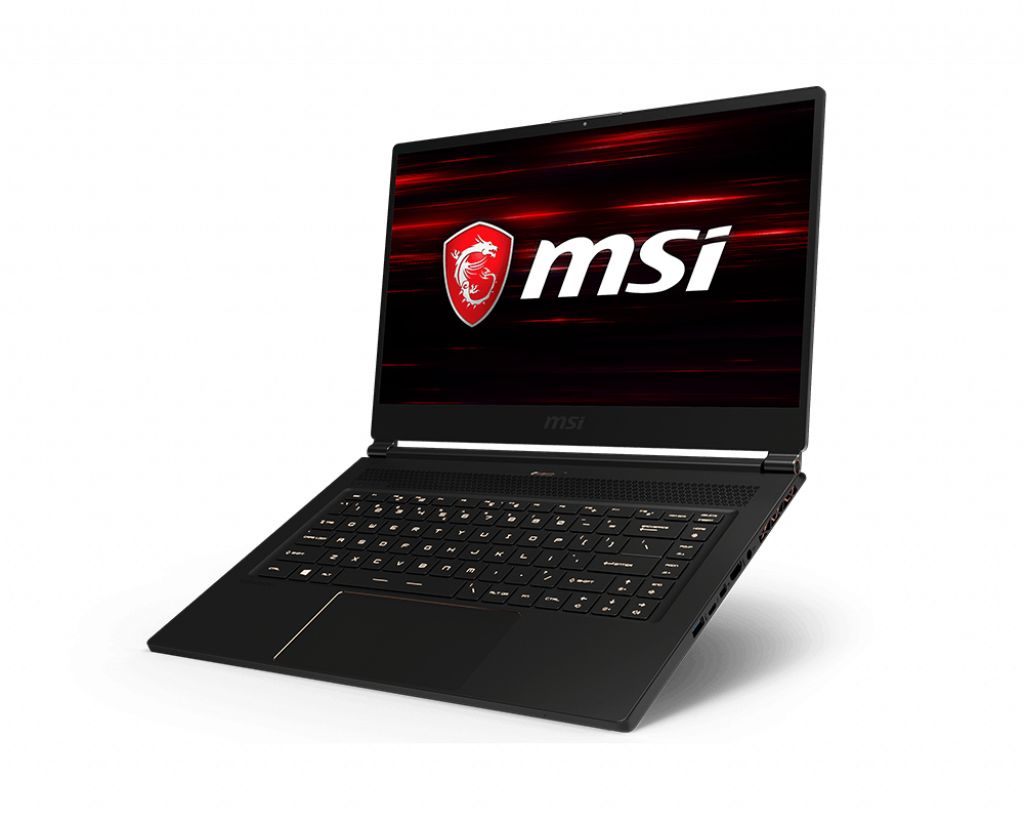
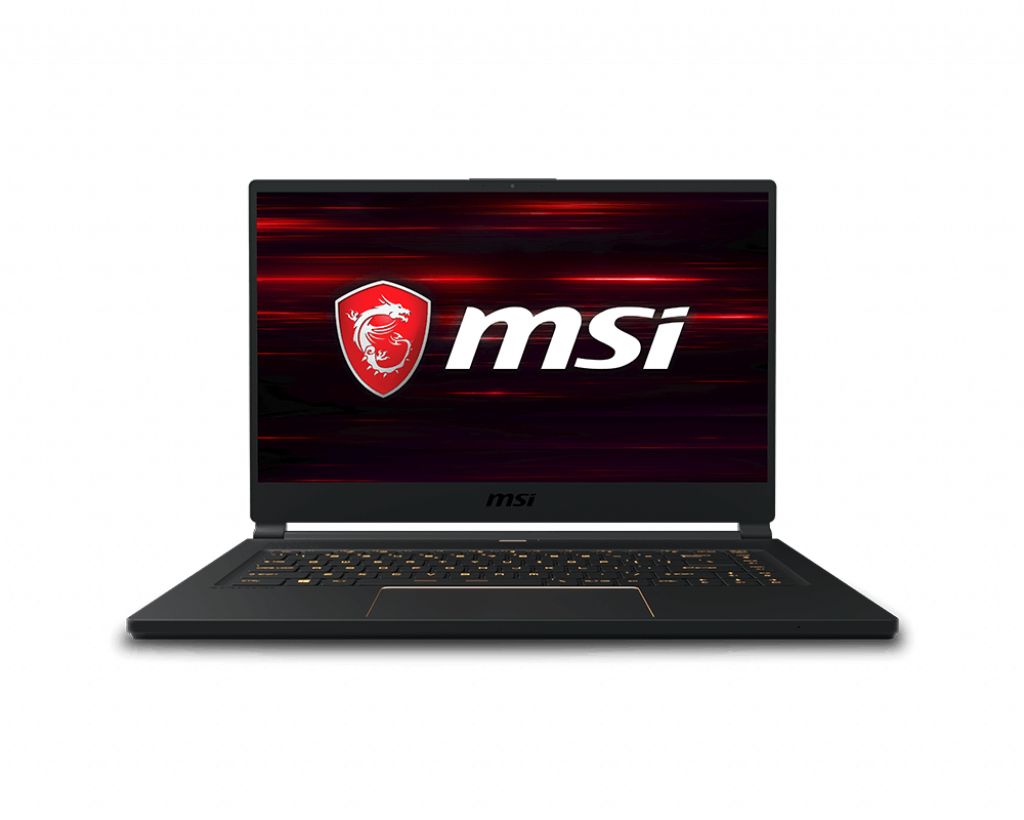
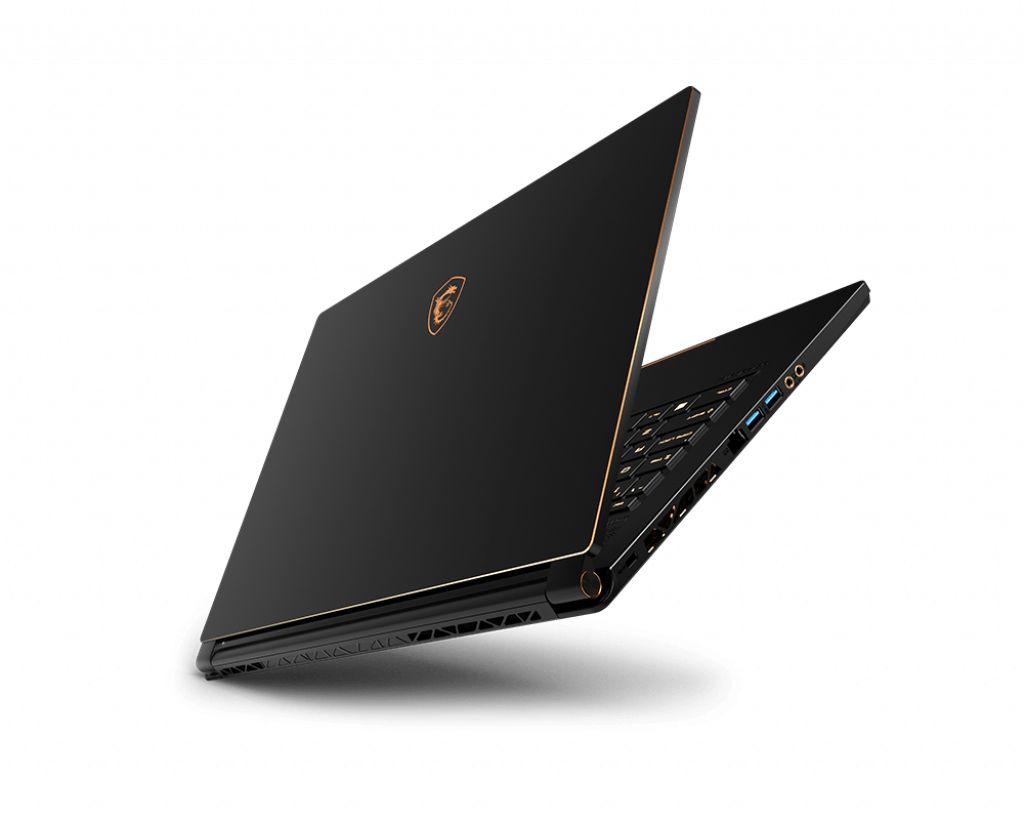
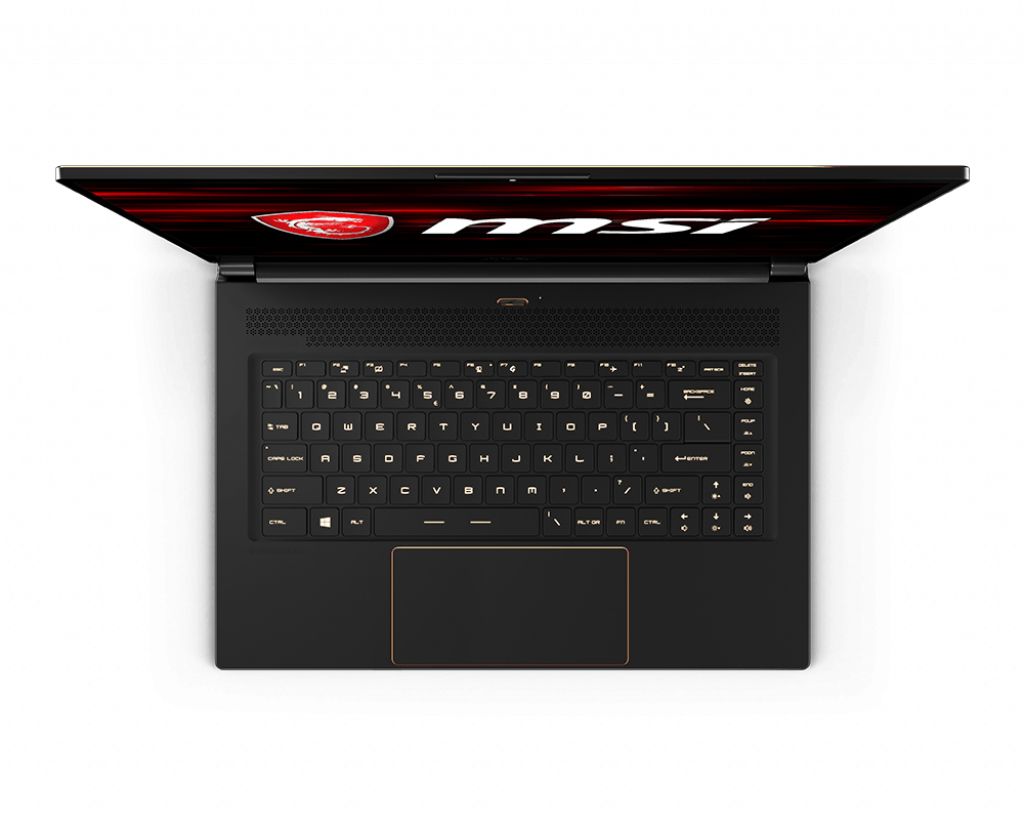
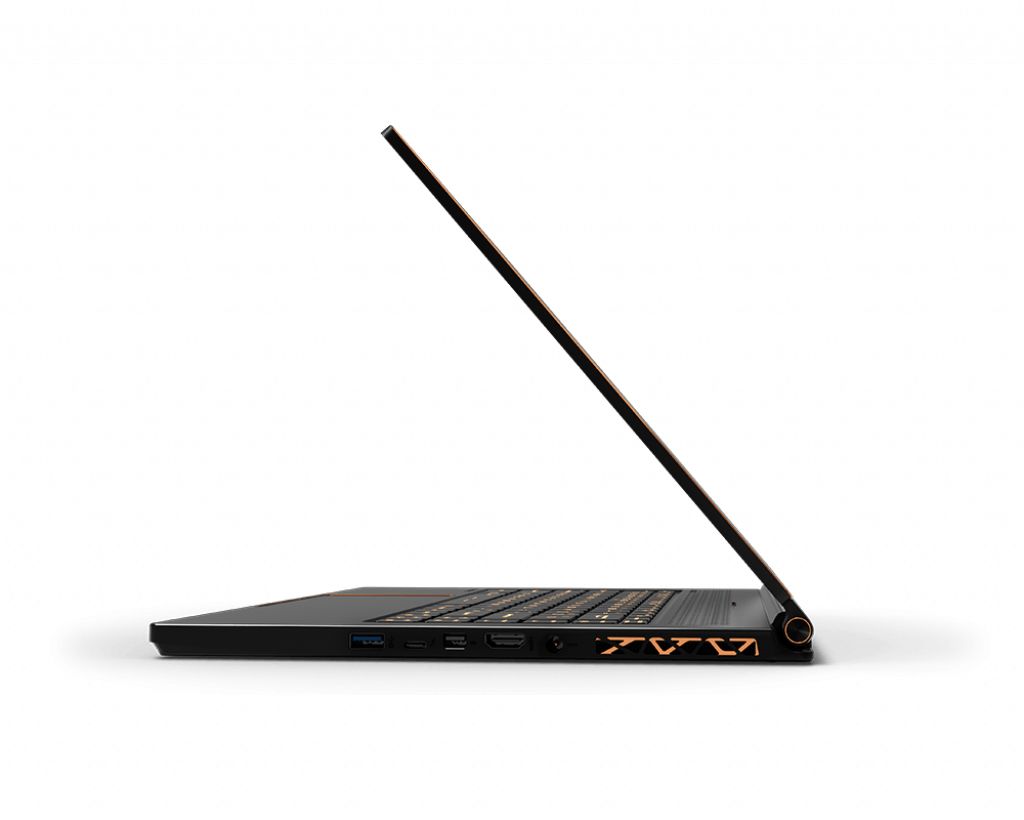
MSI GS65 8SF-052AU Stealth gaming laptop features DDR4-SDRAM memory upgrade specifications with two SO-DIMM slots supporting maximum capacity of 32 GB RAM. Compatible memory modules operate at 2666 MHz frequency. Upgrade specifications indicate the GS series supports DDR4 technology with standard SO-DIMM form factor, enabling users to expand memory capacity beyond factory-installed configuration. Maximum memory upgrade capacity reaches 32 GB total across both available slots.
Memory Upgrade Specifications
| Specification | Value |
|---|---|
| Memory slots | 2x SO-DIMM |
| Form factor | SO-DIMM |
| Memory type | DDR4-SDRAM |
| Frequency | 2666 MHz |
| Maximum RAM | 32 GB |
| Voltage | 1.2V |
| Number of pins | 260-pin |
| Interface | PC4 |
| PC Speed Rating | PC4-2666 (PC4-21328) |
| Bandwidth | 21.3 GB/s |
| Laptop Release date | 12 February 2019 |
Additional Notes
- The internal layout requires a complete motherboard removal to access the memory slots because they are located on the underside of the PCB rather than behind the standard service panel.
- Dual channel memory architecture is only achievable by installing matching pairs of modules in both available slots to ensure synchronous data transfer rates.
- Installing modules with frequencies higher than 2666 MHz will result in the system downclocking the hardware to match the factory predefined controller speed.
- Physical space within the chassis restricts memory selection to standard height SO-DIMM modules as tall heat spreaders will interfere with the keyboard deck assembly.
- The MSI GS65 8SF-052AU Stealth utilizes a flipped motherboard design which increases the risk of damaging delicate ribbon cables and connectors during the RAM installation process.
- Exceeding the 32 GB threshold is unsupported by the BIOS and will likely prevent the system from completing the power on self test.
- Memory latency timings must be compatible with JEDEC standards to ensure system stability because the firmware lacks manual XMP profile adjustments.