MSI Gaming GS65 8SF-058 Stealth RAM upgrade specifications
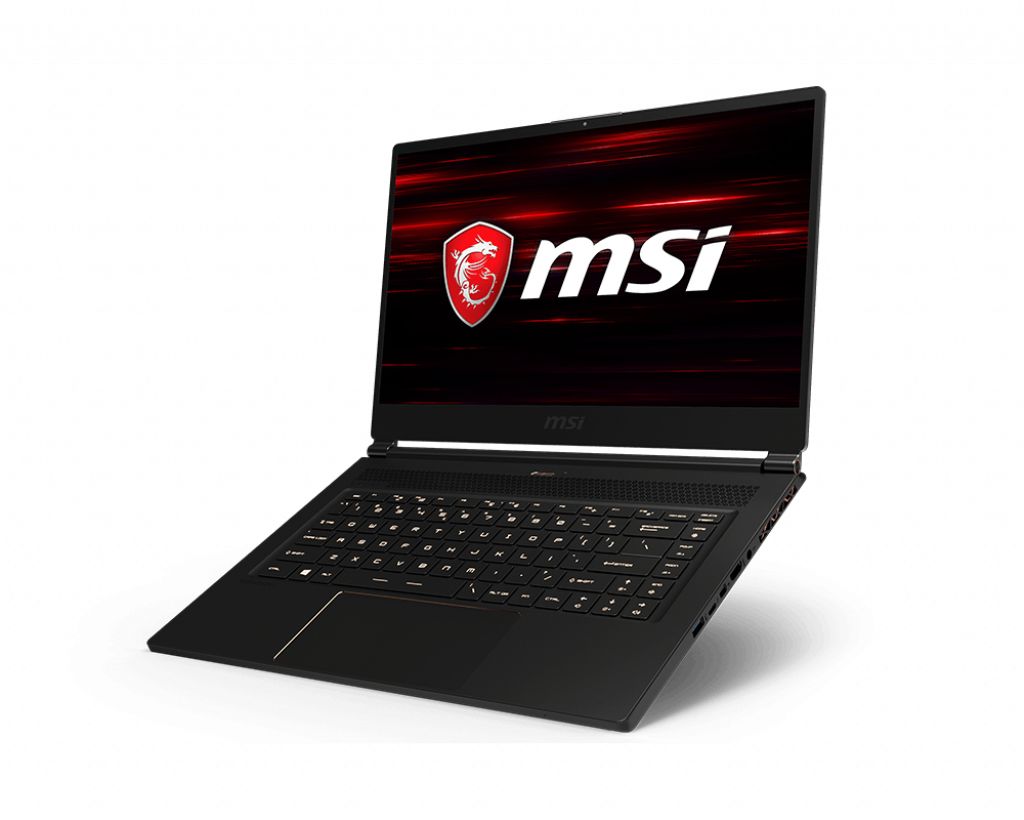
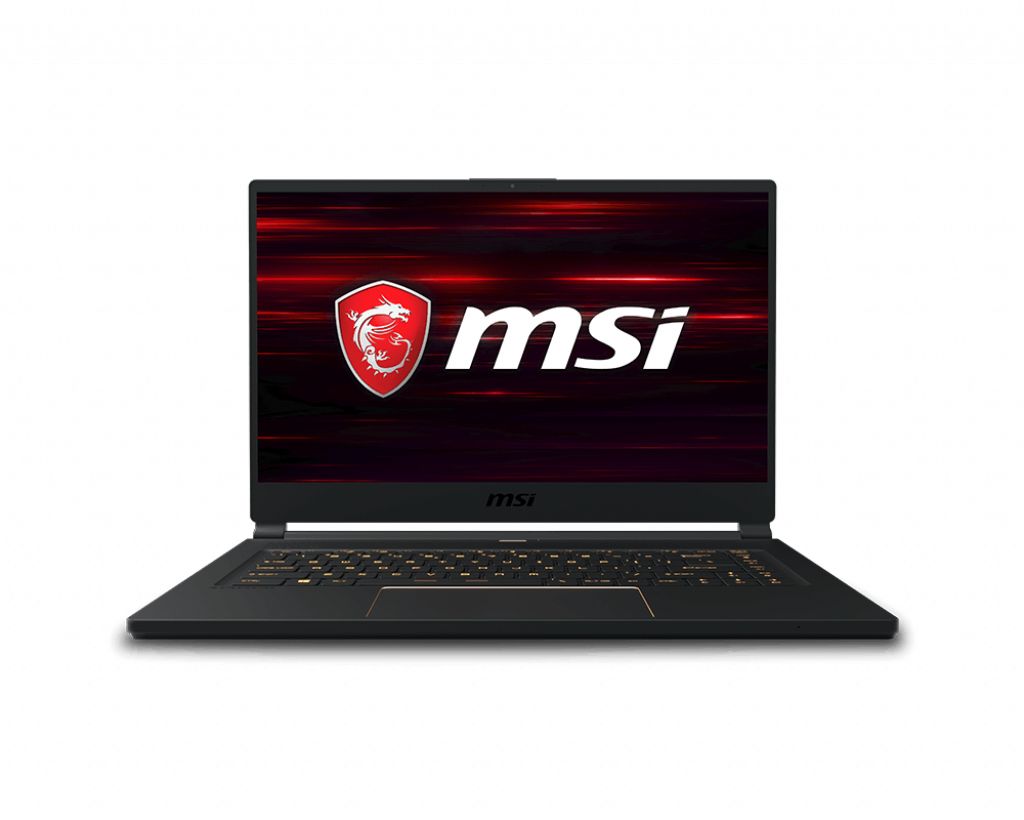

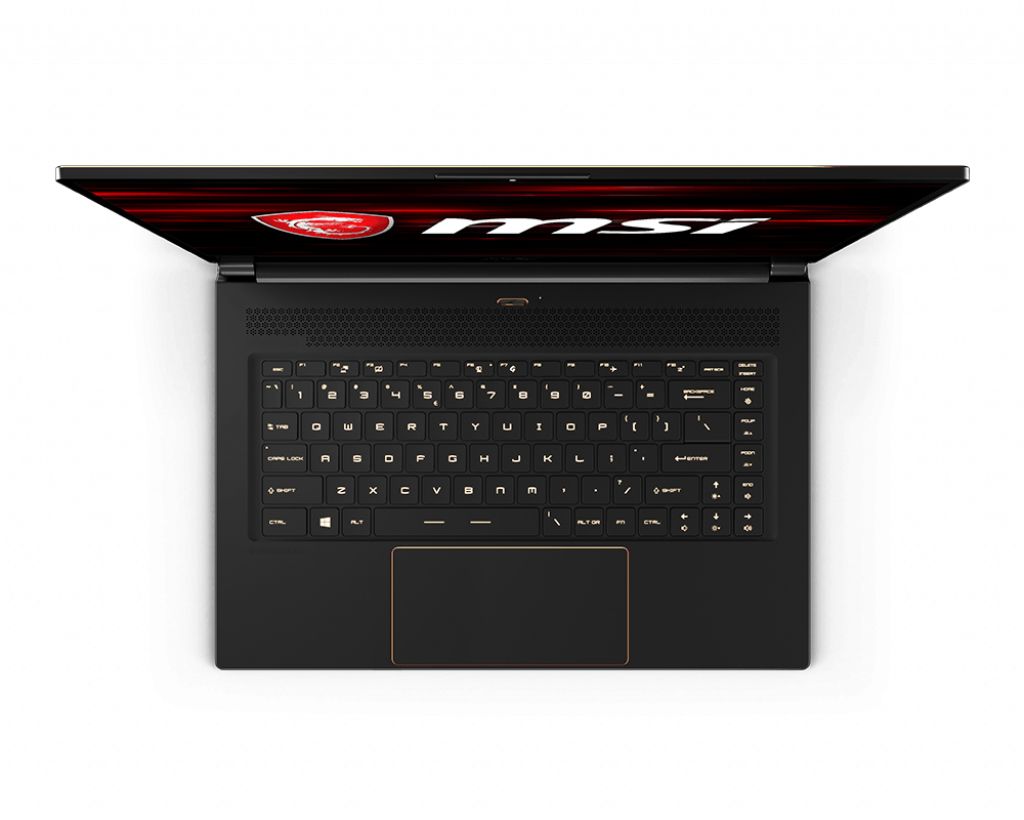
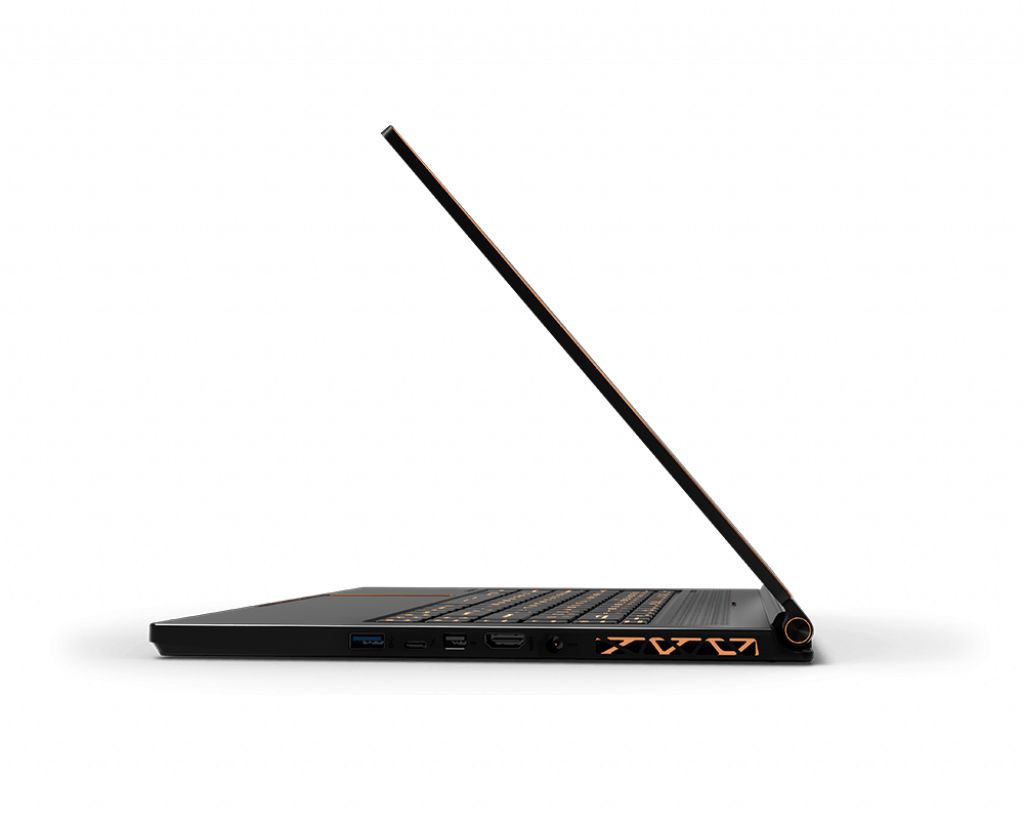
The MSI GS65 8SF-058 Stealth gaming laptop features DDR4-SDRAM memory with two SO-DIMM slots supporting maximum capacity of 32 GB. Upgrade specifications indicate compatible memory modules operating at 2666 MHz frequency. The GS series gaming model accommodates SO-DIMM form factor modules, allowing RAM upgrades from factory configuration. Maximum memory upgrade capacity reaches 32 GB across both available slots, with DDR4-SDRAM specifications defining compatible memory types for this MSI Gaming GS65 model.
Memory Upgrade Specifications
| Specification | Value |
|---|---|
| Memory slots | 2x SO-DIMM |
| Form factor | SO-DIMM |
| Memory type | DDR4-SDRAM |
| Frequency | 2666 MHz |
| Maximum RAM | 32 GB |
| Voltage | 1.2V |
| Number of pins | 260-pin |
| Interface | PC4 |
| PC Speed Rating | PC4-2666 (PC4-21328) |
| Bandwidth | 21.3 GB/s |
| Laptop Release date | 07 February 2019 |
Additional Notes
- The MSI GS65 8SF-058 Stealth supports only 2 SO-DIMM slots, meaning both slots must be populated to achieve maximum capacity; a single module installation will leave half the memory bandwidth unutilized.
- DDR4-2666 MHz represents a significant latency penalty compared to 8th-generation Intel platform standard speeds of DDR4-2400 MHz, yet falls below optimal performance bands for modern gaming workloads above 60 fps at high resolutions.
- SO-DIMM form factor imposes strict dimensional constraints; standard desktop DDR4 modules will not physically fit, and upgrading requires purchasing laptop-specific memory at higher cost per gigabyte than desktop equivalents.
- The 32 GB maximum capacity ceiling leaves no headroom for future expansion beyond a dual 16 GB configuration, locking the system at a fixed memory ceiling without replacement of existing modules.
- SO-DIMM installations on ultraportable gaming laptops typically require disassembly of the palm rest and keyboard assembly; this procedure falls outside most manufacturer warranties unless performed by authorized service centers.
- Mixing single-rank and dual-rank SO-DIMM modules can trigger suboptimal memory interleaving, reducing throughput by 8-12 percent; matching module specifications (rank configuration, voltage, timing) is mandatory for stable operation.
- The frequency specification of 2666 MHz applies only when both slots contain compatible modules; installing a single module or mismatched speeds defaults the system to the slower module's specifications.