MSI Gaming GS65 9SD-1448XFR Stealth RAM upgrade specifications



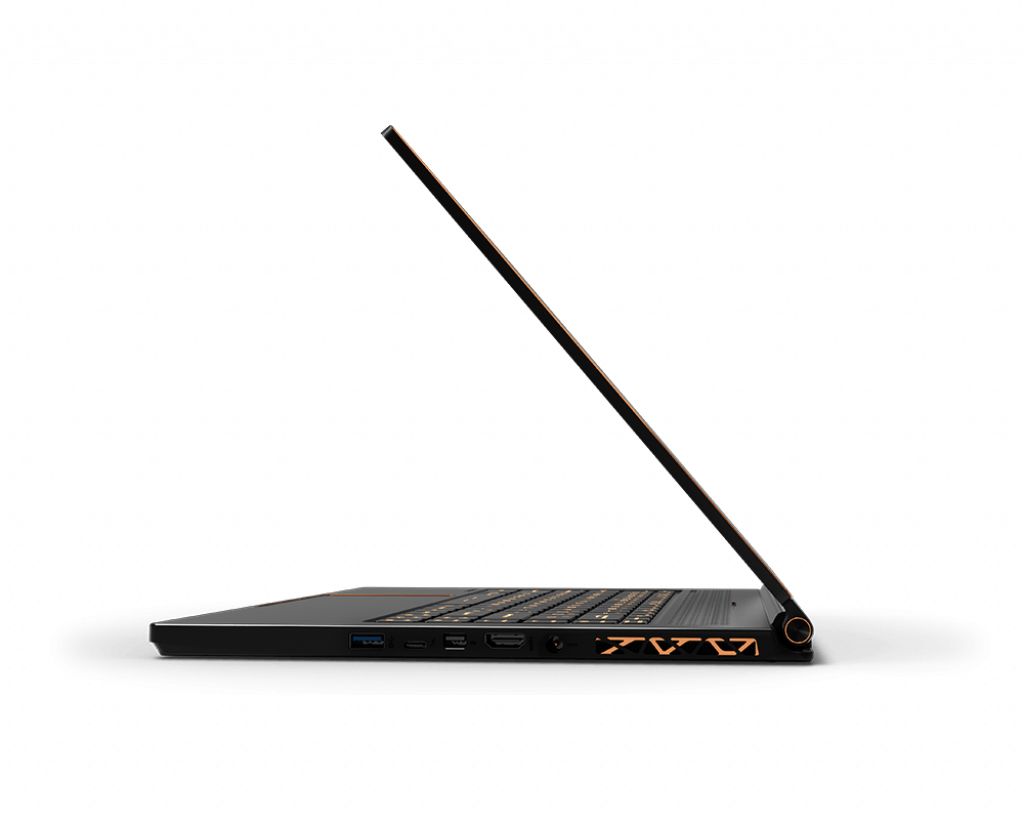

The MSI GS65 9SD-1448XFR Stealth Gaming series laptop features DDR4-SDRAM memory upgrade specifications with two SO-DIMM slots supporting a maximum capacity of 32 GB. Compatible memory operates at 2666 MHz frequency. The upgrade slots accommodate standard SO-DIMM form factor modules. Current specifications allow for memory expansion within the defined maximum capacity constraints for enhanced system performance and multitasking capabilities on the GS65 9SD-1448XFR Stealth model.
Memory Upgrade Specifications
| Specification | Value |
|---|---|
| Memory slots | 2x SO-DIMM |
| Form factor | SO-DIMM |
| Memory type | DDR4-SDRAM |
| Frequency | 2666 MHz |
| Maximum RAM | 32 GB |
| Voltage | 1.2V |
| Number of pins | 260-pin |
| Interface | PC4 |
| PC Speed Rating | PC4-2666 (PC4-21328) |
| Bandwidth | 21.3 GB/s |
| Laptop Release date | 19 January 2020 |
Additional Notes
- The 32 GB maximum capacity indicates chipset-level memory controller limitations that cannot be bypassed through BIOS updates or alternative module configurations.
- Both SO-DIMM slots must be accessed simultaneously during upgrades, as the MSI GS65 9SD-1448XFR Stealth uses a dual-channel architecture requiring matched module pairs for optimal bandwidth utilization.
- DDR4-2666 represents the JEDEC-standardized speed ceiling, meaning higher frequency modules rated at 3000 MHz or 3200 MHz will downclock automatically to 2666 MHz without performance benefit.
- Installing modules with mismatched densities across the 2 slots forces the memory controller into single-channel mode, reducing theoretical bandwidth from 42.7 GB/s to 21.3 GB/s.
- The SO-DIMM form factor requires modules with 260-pin connectors and heights not exceeding 30 mm to avoid physical interference with the laptop's bottom cover assembly.
- Mixing RAM from different manufacturers or production batches increases the probability of timing incompatibilities that trigger POST failures or system instability under sustained workloads.
- Non-ECC unbuffered modules are the only compatible variant, as the mobile platform's memory controller lacks error-correction logic present in workstation-class systems.
- Accessing the memory slots requires complete bottom panel removal, which typically voids manufacturer seals on warranty-protected devices unless performed through authorized service channels.
- Operating voltage must remain fixed at 1.2V standard, as low-voltage 1.35V DDR4L modules may cause initialization errors despite physical compatibility with the SO-DIMM socket.
- Populating both slots with 16 GB modules achieves the 32 GB ceiling while maintaining rank interleaving support for reduced latency during sequential memory operations.