MSI Gaming GS65 9SD-1677XFR Stealth RAM upgrade specifications



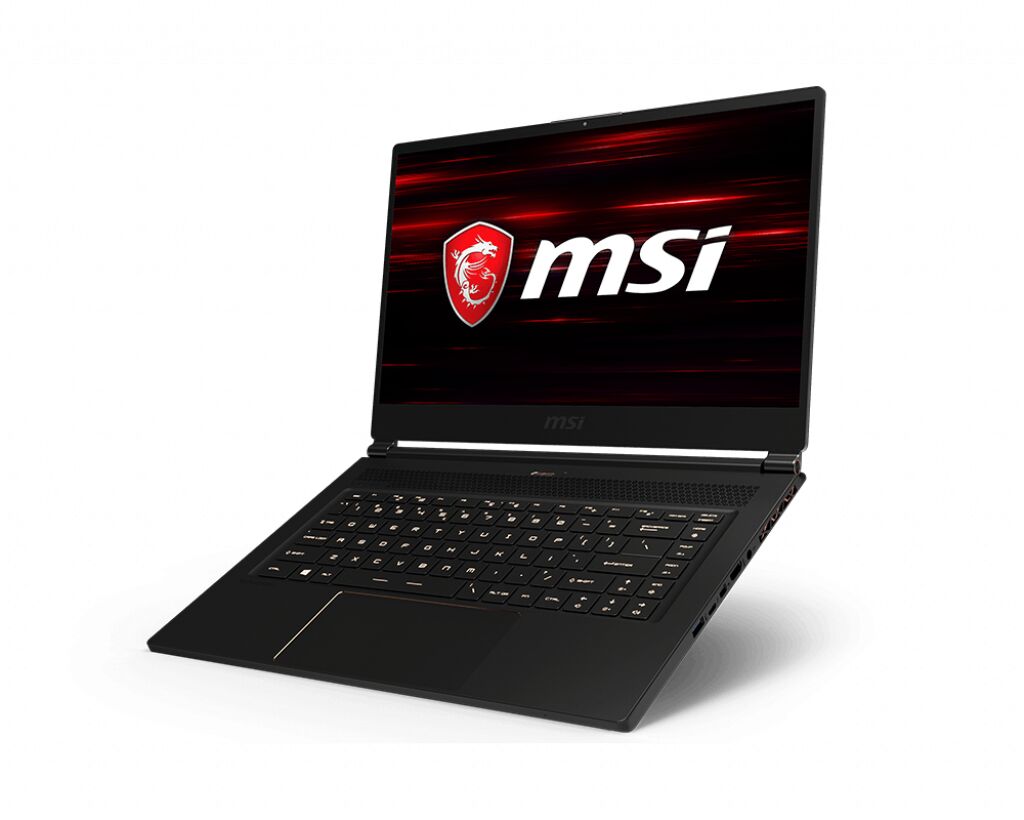
MSI GS65 9SD-1677XFR Stealth gaming laptop supports DDR4-SDRAM memory upgrades through dual SO-DIMM slots. Maximum RAM capacity reaches 64 GB total, with compatible memory operating at 3200 MHz frequency. The upgrade specifications indicate SO-DIMM form factor compatibility, enabling users to expand memory configurations from factory default settings. Detailed specifications outline available upgrade paths for enhanced multitasking performance and system responsiveness on the GS series mobile workstation.
Memory Upgrade Specifications
| Specification | Value |
|---|---|
| Memory slots | 2x SO-DIMM |
| Form factor | SO-DIMM |
| Memory type | DDR4-SDRAM |
| Frequency | 3200 MHz |
| Maximum RAM | 64 GB |
| Voltage | 1.2V |
| Number of pins | 260-pin |
| Interface | PC4 |
| PC Speed Rating | PC4-3200 (PC4-25600) |
| Bandwidth | 25.6 GB/s |
| Laptop Release date | 04 December 2020 |
Additional Notes
- The motherboard architecture requires a flipped layout design which necessitates total removal of the system board to access the memory slots.
- Dual channel mode activation depends on installing 2 identical modules to achieve peak memory bandwidth for the MSI GS65 9SD-1677XFR Stealth.
- Native processor limitations on the 9th generation chipset might downclock 3200 MHz modules to 2666 MHz unless XMP profiles are supported in the BIOS.
- Thermal management constraints within the thin chassis suggest avoiding high voltage overclocked modules to prevent heat soak during sustained workloads.
- Populating the maximum capacity of 64 GB requires 2 high density 32 GB sticks and eliminates the possibility of future incremental expansion without discarding existing hardware.
- Physical clearance for memory is restricted by the ultra slim casing which prohibits the use of modules equipped with thick integrated heat spreaders.
- Potential warranty implications exist due to the factory seal covering the chassis screws required for internal component access.