MSI Gaming GS65 9SD-418CA Stealth RAM upgrade specifications
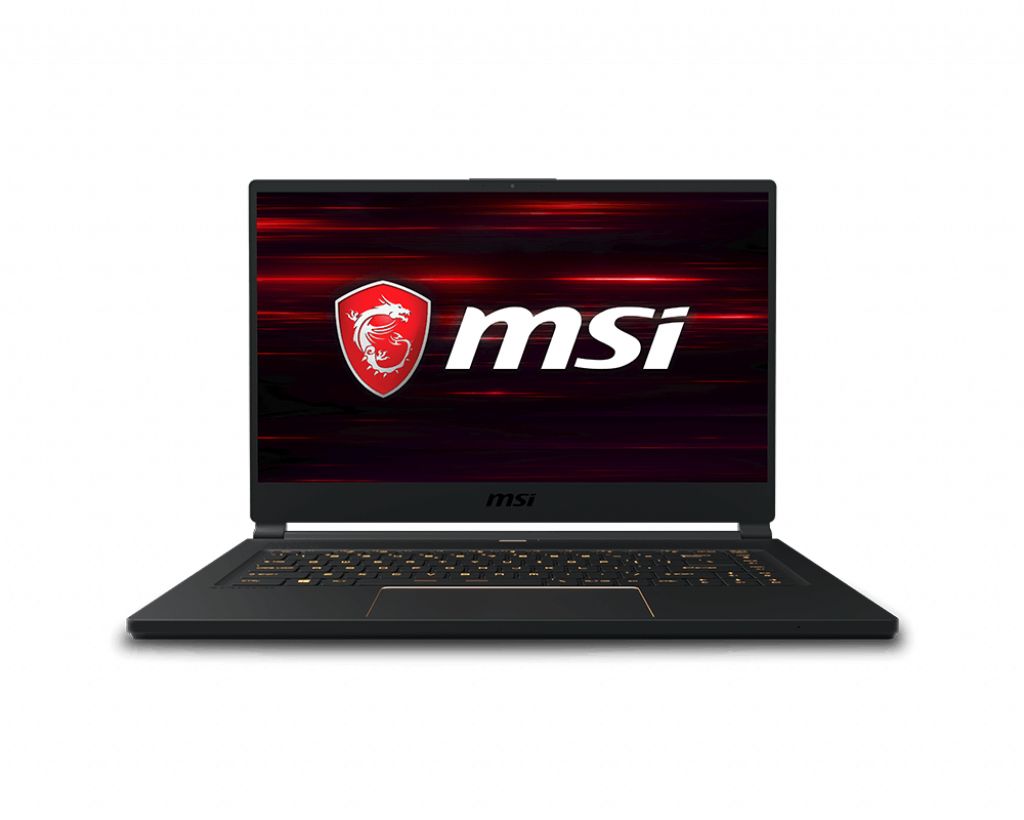
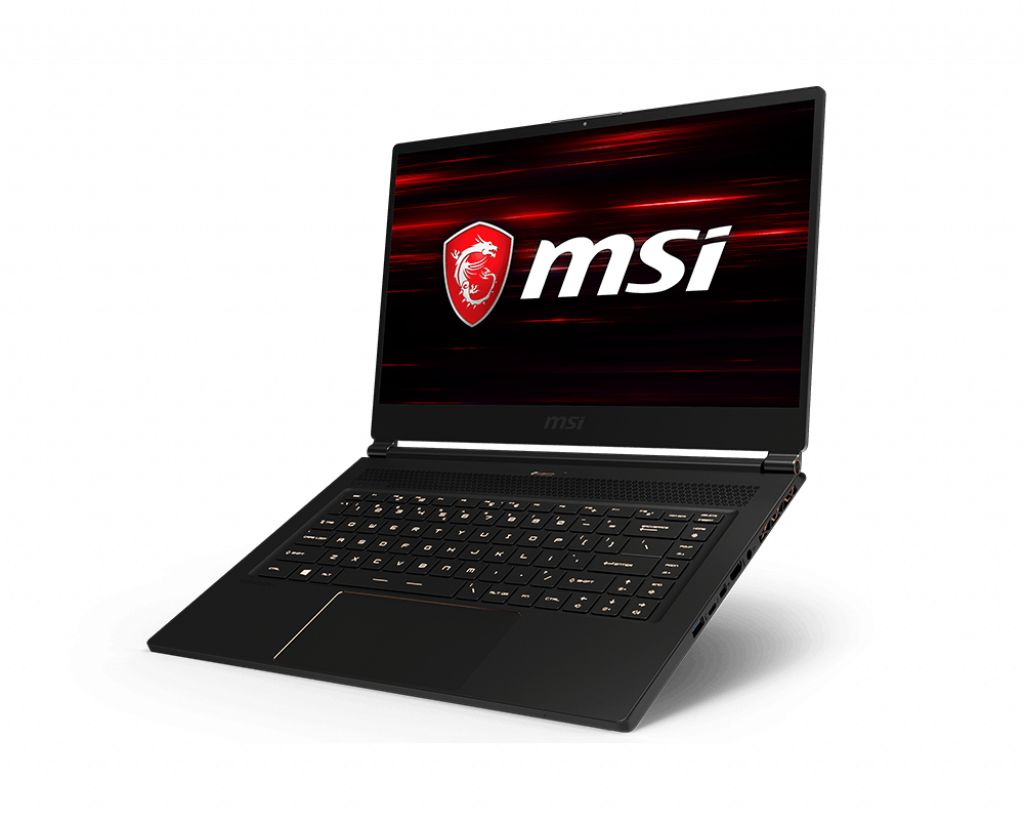


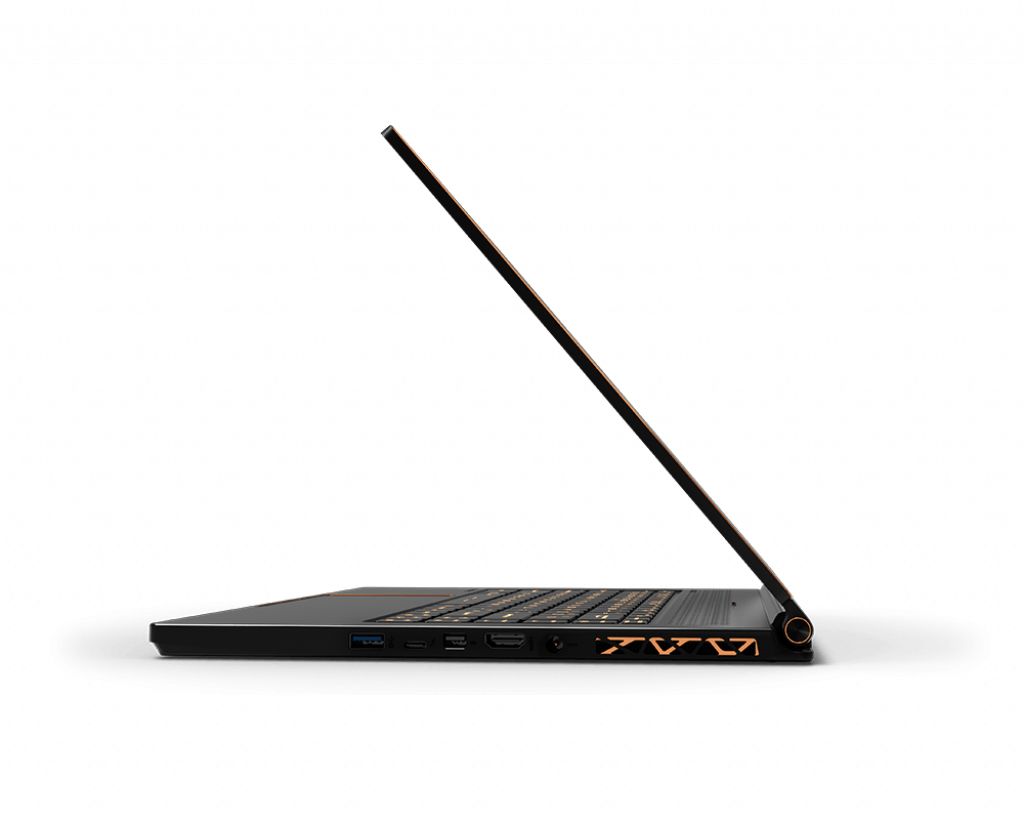
MSI GS65 9SD-418CA Stealth gaming laptop features DDR4-SDRAM memory upgrade capabilities. The system contains 2x SO-DIMM slots supporting maximum memory capacity of 64 GB. Compatible RAM modules operate at 2666 MHz frequency. Upgrade specifications enable users to expand memory by installing additional DDR4-SDRAM SO-DIMM modules into available slots, subject to maximum capacity limitations. This gaming series supports memory expansion for enhanced multitasking and performance requirements.
Memory Upgrade Specifications
| Specification | Value |
|---|---|
| Memory slots | 2x SO-DIMM |
| Form factor | SO-DIMM |
| Memory type | DDR4-SDRAM |
| Frequency | 2666 MHz |
| Maximum RAM | 64 GB |
| Voltage | 1.2V |
| Number of pins | 260-pin |
| Interface | PC4 |
| PC Speed Rating | PC4-2666 (PC4-21328) |
| Bandwidth | 21.3 GB/s |
| Laptop Release date | 12 June 2019 |
Additional Notes
- The internal motherboard layout requires a full removal of the system board to access the memory slots because the components are mounted on the underside of the PCB.
- Utilizing 2 matching modules enables dual-channel memory architecture which minimizes CPU frame time latency during high refresh rate gameplay.
- Installing components with frequencies higher than 2666 MHz results in the system automatically downclocking the modules to match the hardware controller limitations of the MSI GS65 9SD-418CA Stealth motherboard.
- Reaching the 64 GB threshold requires the replacement of all factory-installed modules as the chassis lacks additional expansion paths beyond the 2 primary slots.
- Thermal pads may be required between the memory modules and the chassis shield to prevent heat soak in the thin-profile enclosure during sustained workloads.
- Voiding the factory seal sticker located over a chassis screw is often necessary to reach the internal hardware for any capacity increases.
- The 2666 MHz speed ceiling is dictated by the 9th generation processor architecture which lacks official support for higher native JEDEC profiles without XMP intervention.