MSI Gaming GS65 9SD-431NL Stealth RAM upgrade specifications




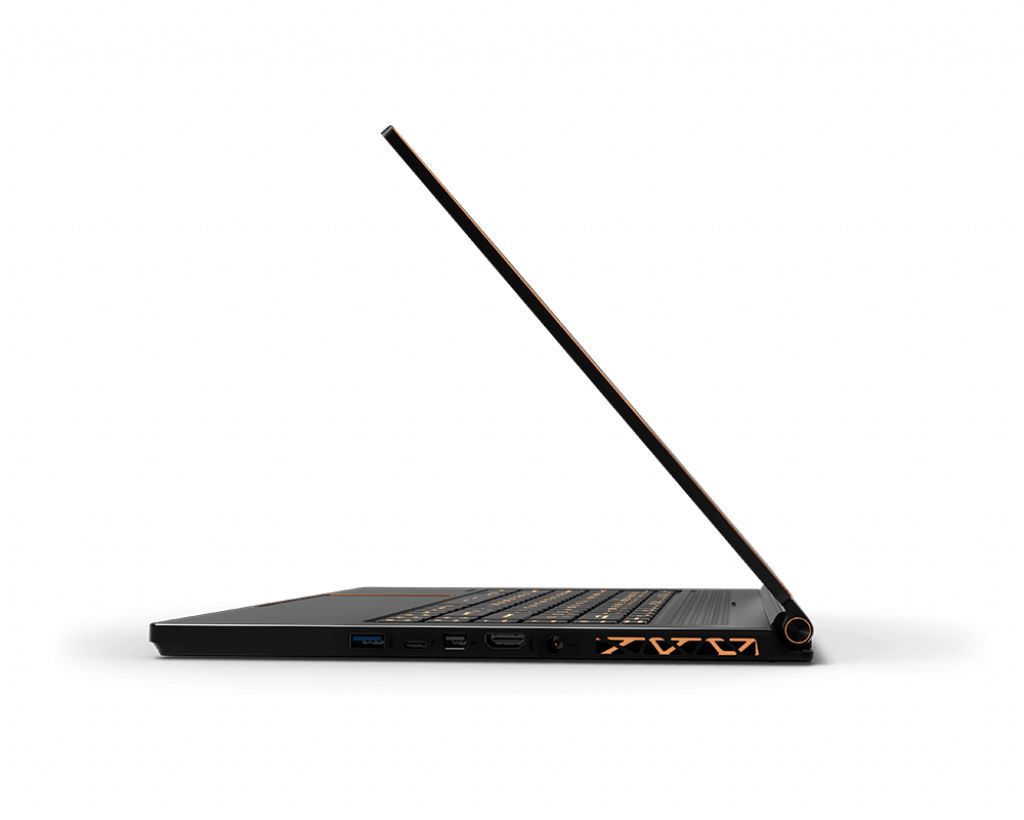
The MSI GS65 9SD-431NL Stealth gaming laptop features DDR4-SDRAM memory with two SO-DIMM slots for RAM upgrade capabilities. The memory upgrade specifications support a maximum capacity of 64 GB total, with each slot accommodating up to 32 GB modules. Compatible memory operates at 2666 MHz frequency. The SO-DIMM form factor indicates proprietary notebook memory configuration. Stock memory capacity and current specifications vary by regional configuration. RAM upgrade procedures require removal of bottom access panels and compatible DDR4 SO-DIMM modules meeting the specified frequency parameters.
Memory Upgrade Specifications
| Specification | Value |
|---|---|
| Memory slots | 2x SO-DIMM |
| Form factor | SO-DIMM |
| Memory type | DDR4-SDRAM |
| Frequency | 2666 MHz |
| Maximum RAM | 64 GB |
| Voltage | 1.2V |
| Number of pins | 260-pin |
| Interface | PC4 |
| PC Speed Rating | PC4-2666 (PC4-21328) |
| Bandwidth | 21.3 GB/s |
| Laptop Release date | 07 April 2019 |
Additional Notes
- The MSI GS65 9SD-431NL Stealth supports dual-channel memory architecture through its 2 SO-DIMM slots, enabling up to twice the theoretical bandwidth compared to single-channel configurations when matched modules are installed.
- The 2666 MHz frequency limitation originates from the Intel 9th generation mobile processor's memory controller, meaning modules rated at higher speeds will downclock to this specification.
- Reaching the 64 GB ceiling requires two 32 GB SO-DIMM modules, which were uncommon in the DDR4-2666 era and may present sourcing challenges or premium pricing compared to standard 8 GB or 16 GB configurations.
- The SO-DIMM form factor necessitates bottom panel removal for access, as gaming laptops typically position memory slots beneath the motherboard rather than through dedicated service doors.
- Mixed-capacity configurations such as pairing a 16 GB module with an 8 GB module will function but may disable flex mode optimizations on certain capacities, reducing effective dual-channel bandwidth for portions of the memory range.
- DDR4 voltage compatibility is standardized at 1.2V for SO-DIMM modules, eliminating voltage-related compatibility concerns that existed in previous DDR3 generations.
- The memory controller supports non-ECC unbuffered modules exclusively, making registered or error-correcting memory physically incompatible despite matching the SO-DIMM form factor.
- Thermal constraints in the slim chassis design may benefit from modules with lower-profile heat spreaders or bare PCBs to maintain clearance from the bottom panel.
- Intel XMP profiles on aftermarket modules will not activate since mobile platforms lack XMP support in BIOS, leaving the system to apply JEDEC standard timings at 2666 MHz regardless of module capabilities.
- Warranty preservation typically allows user-installed memory upgrades on gaming series laptops without seal breakage penalties, though verification of regional warranty terms remains advisable before disassembly.