MSI Gaming GS65 9SE-406BE Stealth RAM upgrade specifications
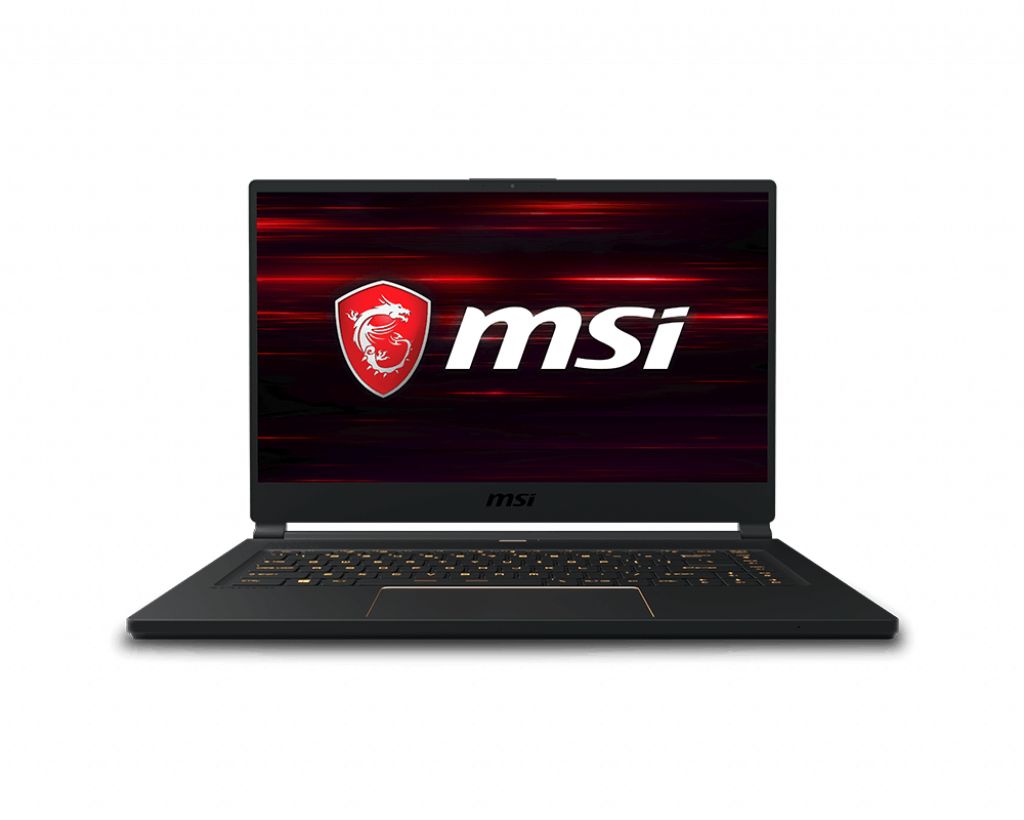
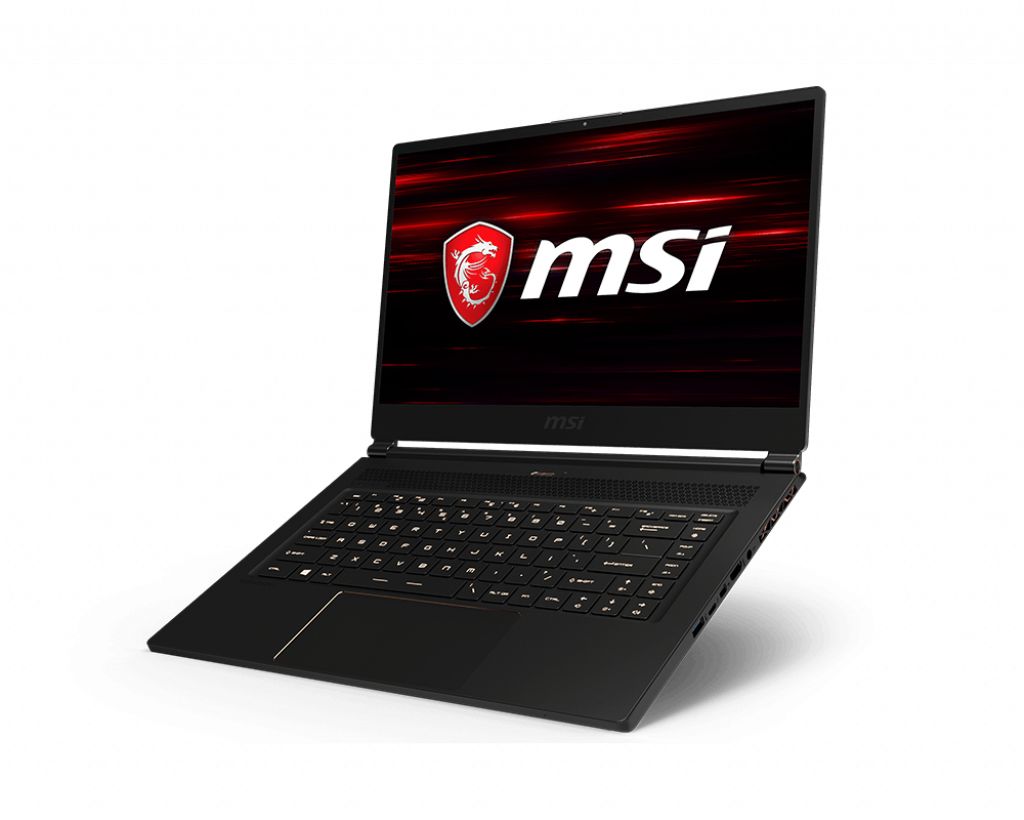
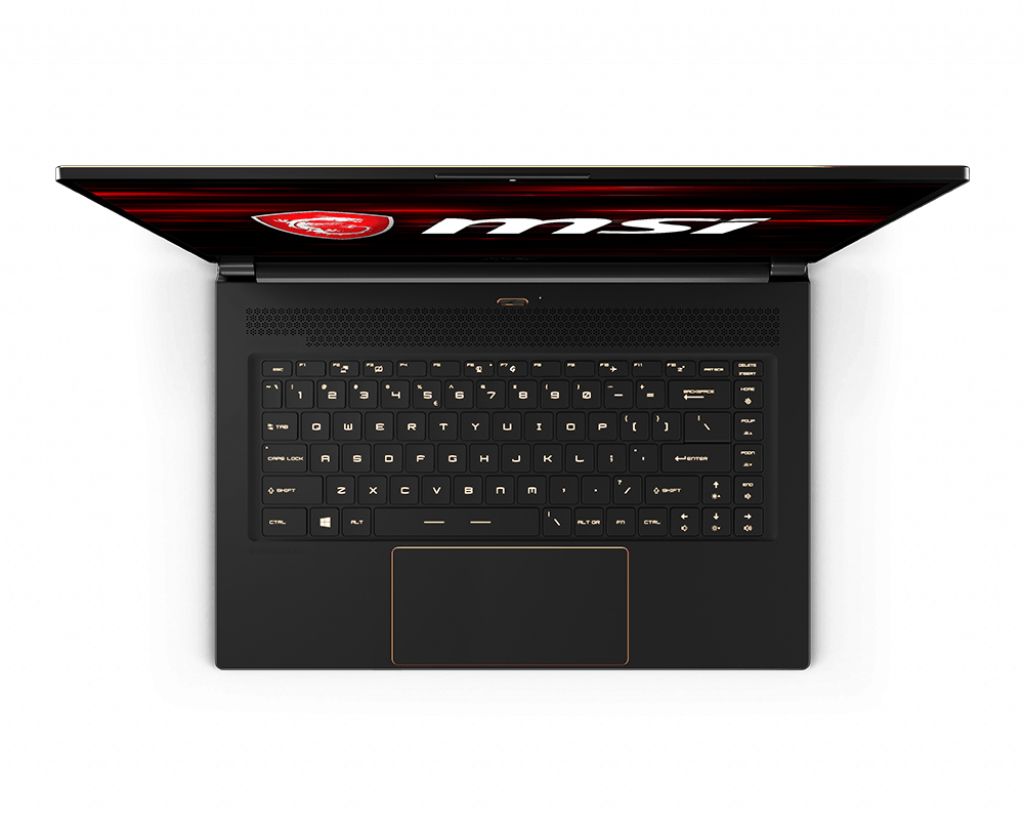

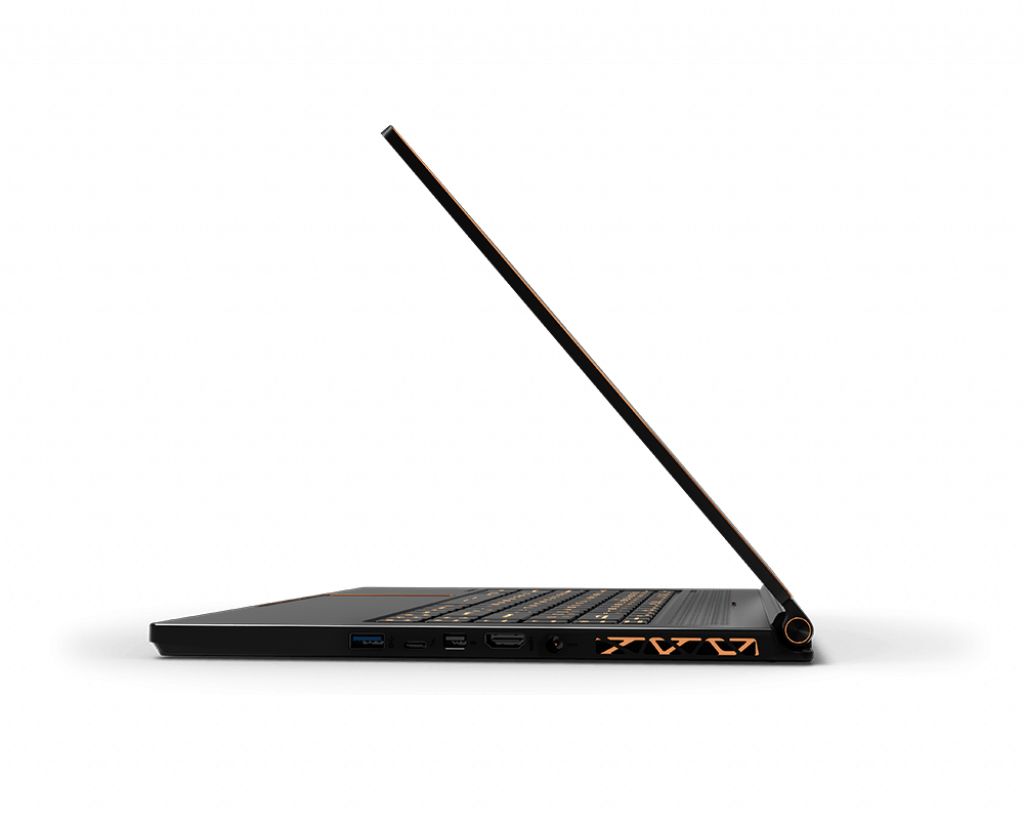
The MSI GS65 9SE-406BE Stealth gaming laptop features DDR4-SDRAM memory configuration with two SO-DIMM slots supporting maximum capacity of 64 GB. Compatible RAM upgrades operate at 2666 MHz frequency. Current specifications indicate available memory slots for RAM expansion. The GS65 series supports SO-DIMM form factor modules. Upgrade options allow users to increase installed memory capacity up to the maximum supported 64 GB specification, depending on existing configuration and compatible DDR4 modules selected for the GS65 9SE-406BE Stealth model.
Memory Upgrade Specifications
| Specification | Value |
|---|---|
| Memory slots | 2x SO-DIMM |
| Form factor | SO-DIMM |
| Memory type | DDR4-SDRAM |
| Frequency | 2666 MHz |
| Maximum RAM | 64 GB |
| Voltage | 1.2V |
| Number of pins | 260-pin |
| Interface | PC4 |
| PC Speed Rating | PC4-2666 (PC4-21328) |
| Bandwidth | 21.3 GB/s |
| Laptop Release date | 08 April 2019 |
Additional Notes
- The MSI GS65 9SE-406BE Stealth contains 2 accessible SO-DIMM slots, permitting maximum single-module capacity of 32 GB per slot to reach the 64 GB ceiling. Asymmetrical configurations (mismatched capacities) function but operate both modules at the speed of the slower module.
- DDR4-2666 MHz represents the maximum supported frequency specification. Modules rated above 2666 MHz will downclock to this threshold, negating performance gains from faster memory and reducing effective bandwidth utilization in applications sensitive to memory speed.
- SO-DIMM form factor requires low-profile modules (30 mm or less in height). Standard full-size DIMM modules are physically incompatible and cannot be installed regardless of electrical compatibility. Passive heatsinks on memory modules may interfere with laptop closure if thickness exceeds clearance tolerances.
- Upgrading beyond the factory configuration voids warranty coverage if performed outside manufacturer-authorized service channels. Replacement modules must carry manufacturer validation for this specific model to maintain post-upgrade support eligibility.
- Dual-channel configuration requires paired modules of identical capacity and speed to activate. Mismatched pairs force single-channel operation on the lower capacity module, degrading memory bandwidth by approximately 50 percent and impacting frame rates in graphics-intensive workloads.