MSI Gaming GS65 9SE-417CA Stealth RAM upgrade specifications




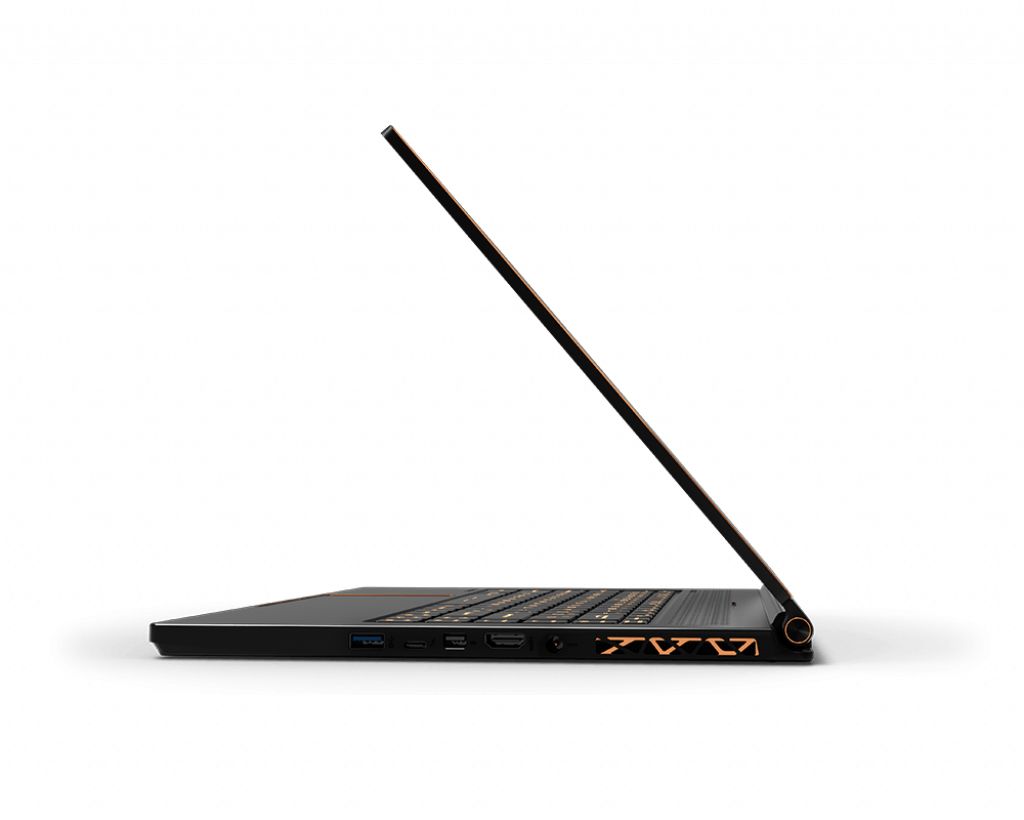
The MSI GS65 9SE-417CA Stealth gaming laptop features DDR4-SDRAM memory configuration with two SO-DIMM slots supporting maximum capacity of 64 GB RAM. Memory upgrade specifications include DDR4 modules operating at 2666 MHz frequency. Compatible memory upgrades utilize the SO-DIMM form factor, enabling users to expand the GS Gaming Series notebook with additional memory modules up to the maximum supported capacity for enhanced multitasking performance.
Memory Upgrade Specifications
| Specification | Value |
|---|---|
| Memory slots | 2x SO-DIMM |
| Form factor | SO-DIMM |
| Memory type | DDR4-SDRAM |
| Frequency | 2666 MHz |
| Maximum RAM | 64 GB |
| Voltage | 1.2V |
| Number of pins | 260-pin |
| Interface | PC4 |
| PC Speed Rating | PC4-2666 (PC4-21328) |
| Bandwidth | 21.3 GB/s |
| Laptop Release date | 12 June 2019 |
Additional Notes
- The MSI GS65 9SE-417CA Stealth utilizes a flipped motherboard design which requires the complete removal of the mainboard from the chassis to access the SO-DIMM slots located on the underside.
- Dual-channel memory architecture requires matching module capacities and timings across both slots to prevent a reduction in effective memory bandwidth.
- Installation of modules with higher frequency ratings will result in automatic downclocking to the 2666 MHz hardware limit dictated by the chipset and processor architecture.
- The transition to 64 GB of total memory necessitates the use of high-density 32 GB modules which may increase localized heat generation within the slim thermal envelope of the device.
- Memory upgrades do not void the standard warranty provided the factory seal is broken only for internal access and no physical damage occurs to the sensitive ribbon cables connecting the keyboard and trackpad.
- The presence of 2 dedicated slots ensures that the system does not rely on non-replaceable soldered memory which extends the functional lifespan through future hardware scaling.
- Upgrading from a single-module configuration to a dual-module setup significantly improves 1 percent low frame rates in CPU-bound gaming scenarios by enabling interleaved data access.