MSI Gaming GS65 9SE-605PL Stealth RAM upgrade specifications
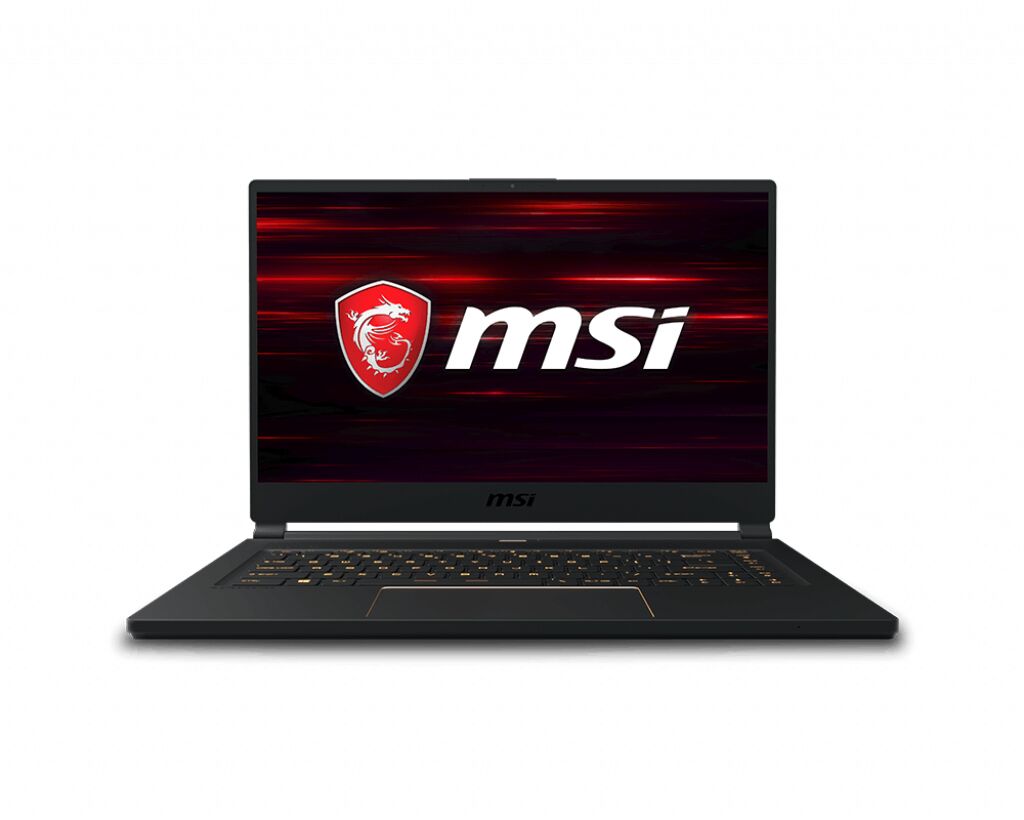
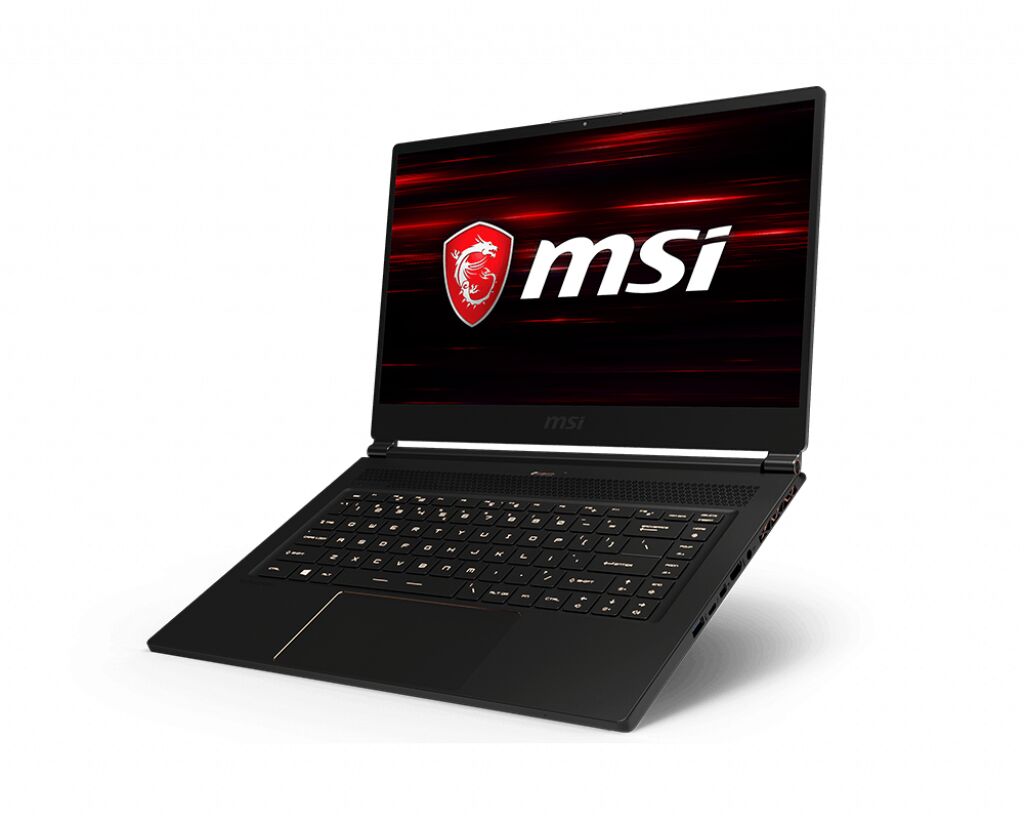


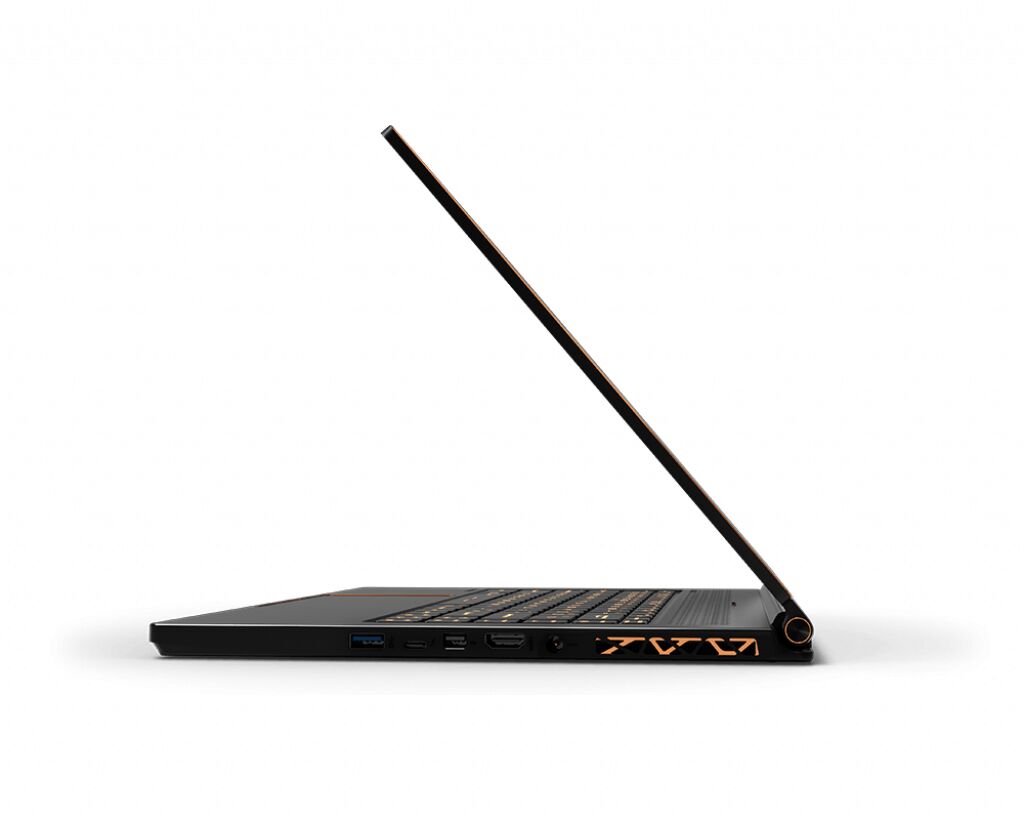
The MSI GS65 9SE-605PL Stealth Gaming series laptop features DDR4-SDRAM memory upgrade specifications with dual SO-DIMM slots supporting maximum RAM capacity of 64 GB. Compatible memory modules operate at 2666 MHz frequency. The upgrade slots accept standard SO-DIMM form factor memory modules, enabling users to expand the laptop's RAM capacity by replacing or supplementing existing modules within the available slots. These specifications define the memory upgrade parameters for the GS65 9SE-605PL Stealth model.
Memory Upgrade Specifications
| Specification | Value |
|---|---|
| Memory slots | 2x SO-DIMM |
| Form factor | SO-DIMM |
| Memory type | DDR4-SDRAM |
| Frequency | 2666 MHz |
| Maximum RAM | 64 GB |
| Voltage | 1.2V |
| Number of pins | 260-pin |
| Interface | PC4 |
| PC Speed Rating | PC4-2666 (PC4-21328) |
| Bandwidth | 21.3 GB/s |
| Laptop Release date | 04 October 2019 |
Additional Notes
- The MSI GS65 9SE-605PL Stealth contains 2 SO-DIMM slots, meaning both memory modules must be replaced simultaneously to achieve maximum capacity; individual slot upgrades are not possible without removing existing modules first.
- DDR4-2666 MHz represents the native specification for this platform; modules rated at 3000 MHz or higher will operate at reduced 2666 MHz speeds due to JEDEC standard limitations on 9th-generation mobile processors, resulting in no performance gain from premium-priced faster memory.
- SO-DIMM form factor requires laptop disassembly to access the memory compartment; this process typically voids certain warranty provisions unless performed by authorized MSI service centers, making third-party installation a potential warranty liability.
- 64 GB maximum capacity indicates the system firmware supports 32 GB modules; however, DDR4 SO-DIMM availability at 32 GB density remains limited in the consumer market, making 16 GB modules the practical upgrade path for most users seeking to maximize installed capacity.
- The 2-slot architecture creates a bandwidth constraint for memory expansion; upgrading from factory configuration will likely involve replacing both existing modules, generating e-waste and increasing total upgrade cost compared to systems with 4 slots.