MSI Gaming GS65 9SE-644RU Stealth RAM upgrade specifications
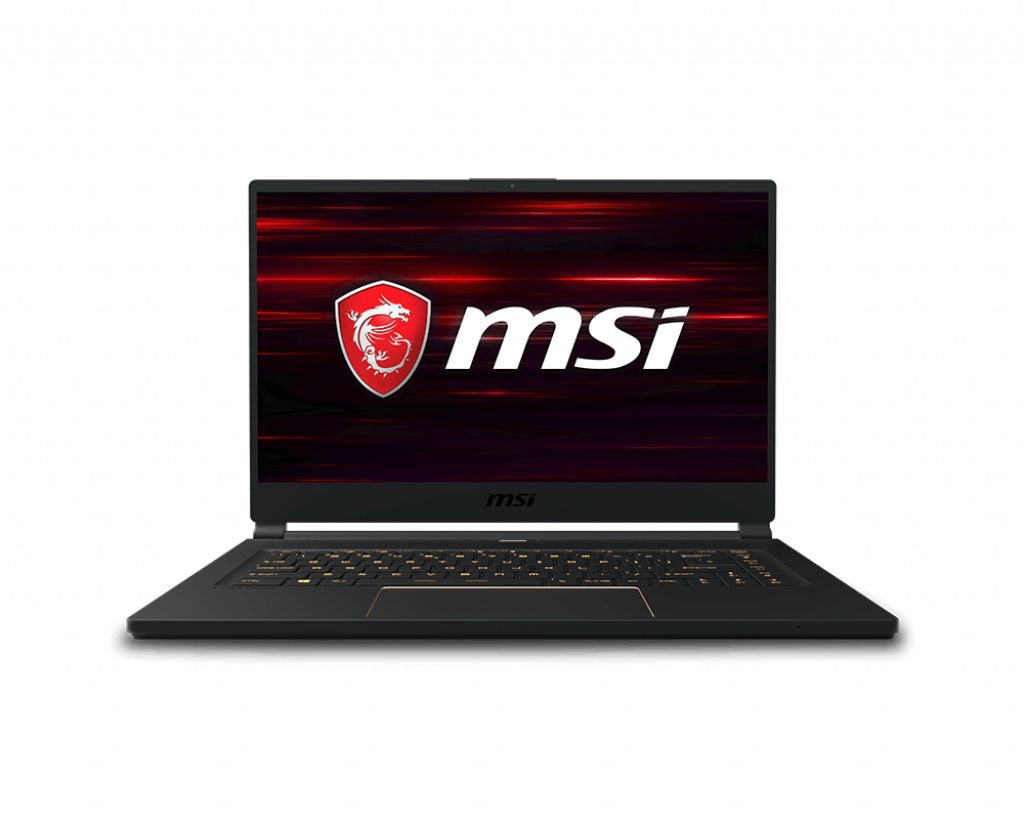
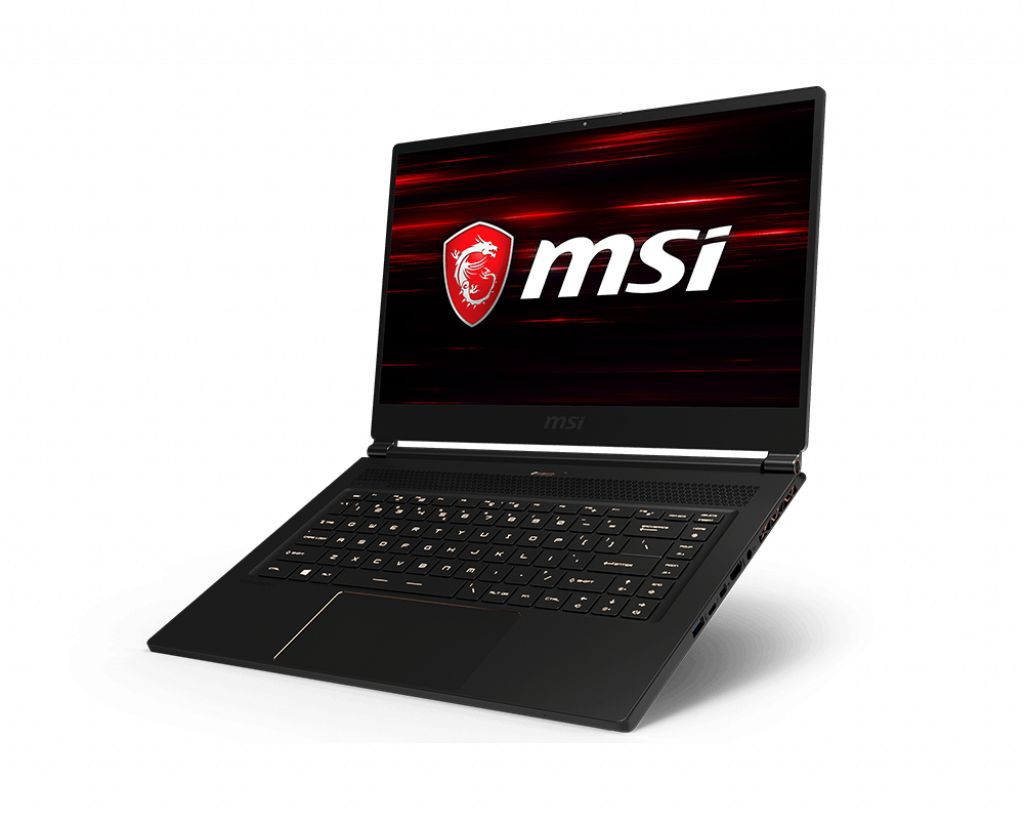
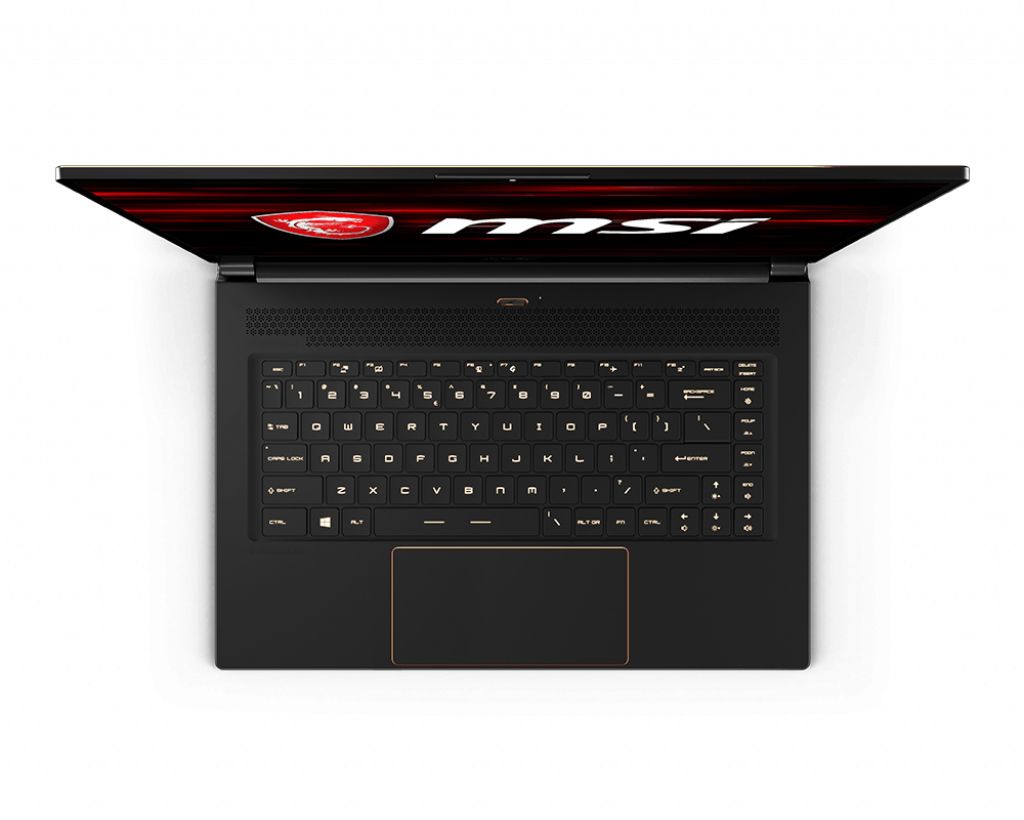

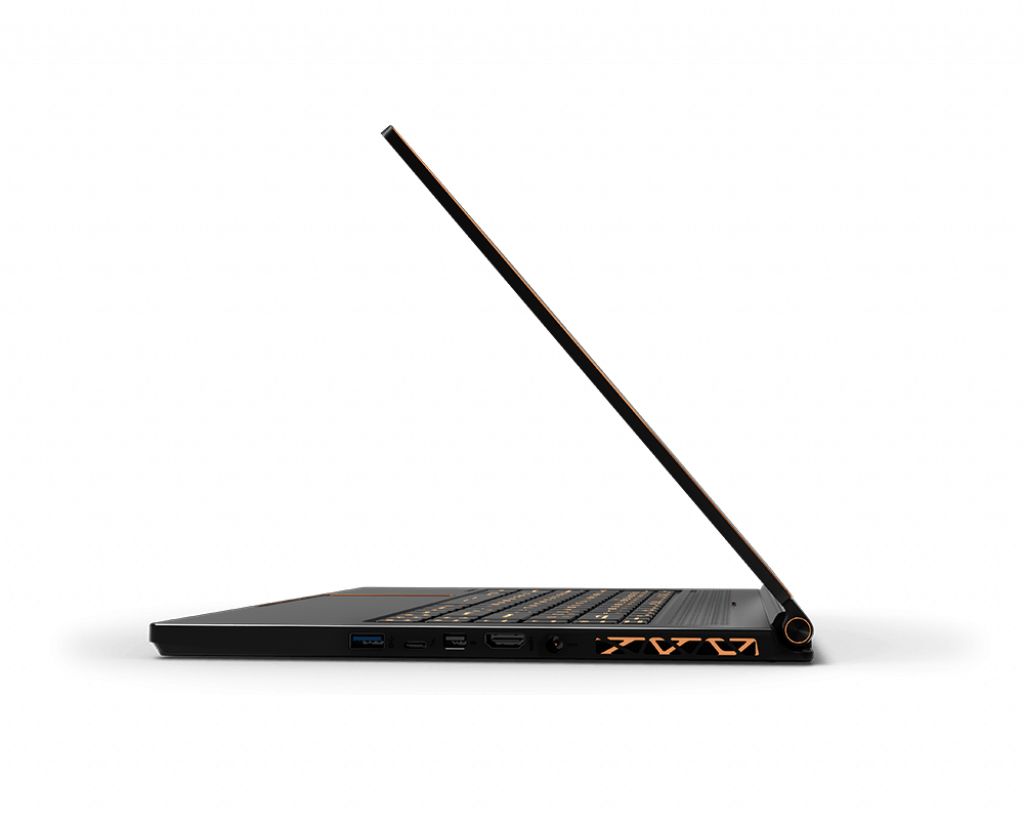
MSI GS65 9SE-644RU Stealth gaming laptop memory upgrade specifications include DDR4-SDRAM support across two SO-DIMM slots. The gaming series device supports maximum RAM capacity of 64 GB total, with compatible memory operating at 2666 MHz frequency. Specifications allow for modular memory expansion, accommodating SO-DIMM form factor upgrades for enhanced system performance on the GS family platform.
Memory Upgrade Specifications
| Specification | Value |
|---|---|
| Memory slots | 2x SO-DIMM |
| Form factor | SO-DIMM |
| Memory type | DDR4-SDRAM |
| Frequency | 2666 MHz |
| Maximum RAM | 64 GB |
| Voltage | 1.2V |
| Number of pins | 260-pin |
| Interface | PC4 |
| PC Speed Rating | PC4-2666 (PC4-21328) |
| Bandwidth | 21.3 GB/s |
| Laptop Release date | 07 August 2019 |
Additional Notes
- The MSI GS65 9SE-644RU Stealth contains 2 SO-DIMM slots operating at 2666 MHz, which means maximum capacity expansion reaches 64 GB total when both slots hold matching 32 GB modules.
- SO-DIMM form factor limits upgrades to laptop-specific memory modules; desktop DDR4 DIMM sticks are physically incompatible and will not install into the available slots.
- The 2666 MHz specification indicates 9th-generation Intel compatibility; memory rated at 3000+ MHz will operate at reduced 2666 MHz speeds due to BIOS limitation, eliminating performance advantage from higher-frequency modules.
- Dual SO-DIMM architecture creates a potential single point of failure; losing one module reduces usable capacity to half, whereas larger slot count designs distribute risk across more channels.
- Upgrading from factory configuration to 64 GB requires replacing both existing modules entirely, as mixed-capacity configurations (e.g., 8 GB + 32 GB) result in asymmetric dual-channel operation that degrades memory bandwidth efficiency.
- 2666 MHz DDR4 SO-DIMM modules remain widely available in aftermarket channels, reducing supply chain constraints compared to specialized memory types.
- Installation requires accessing internal chassis components, and warranty terms typically restrict disassembly to authorized service centers; third-party installation voids manufacturer coverage in most regions.