MSI Gaming GS65 9SE-678IT Stealth RAM upgrade specifications
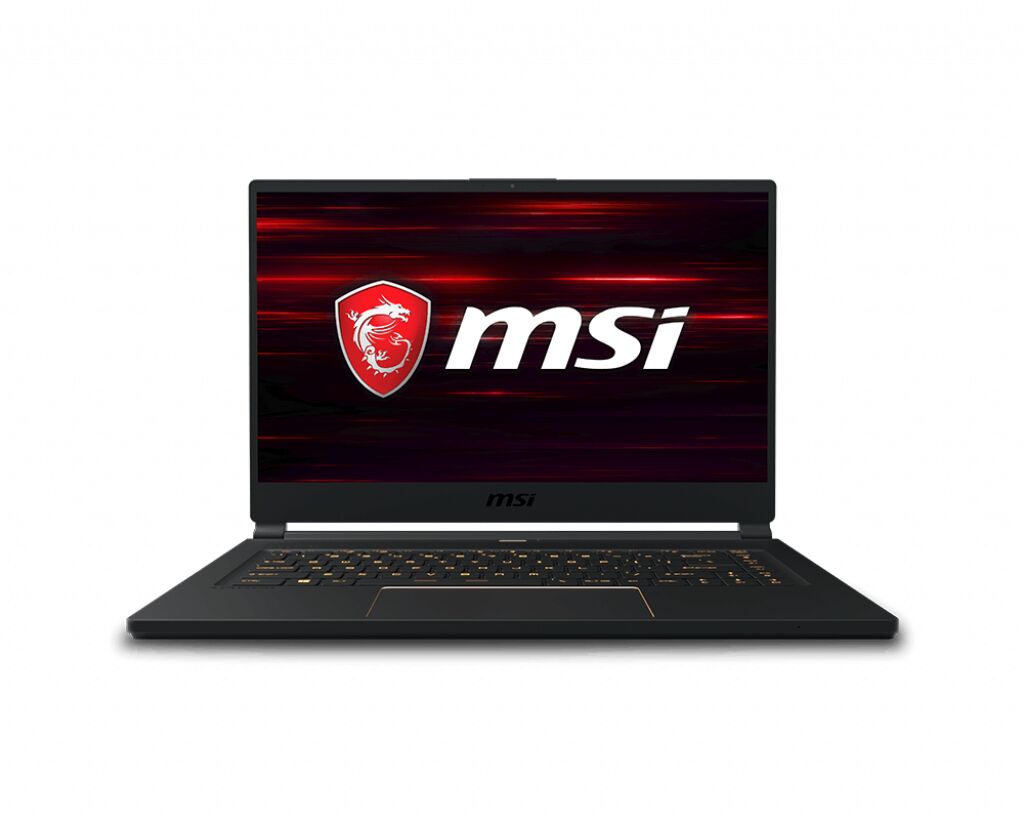
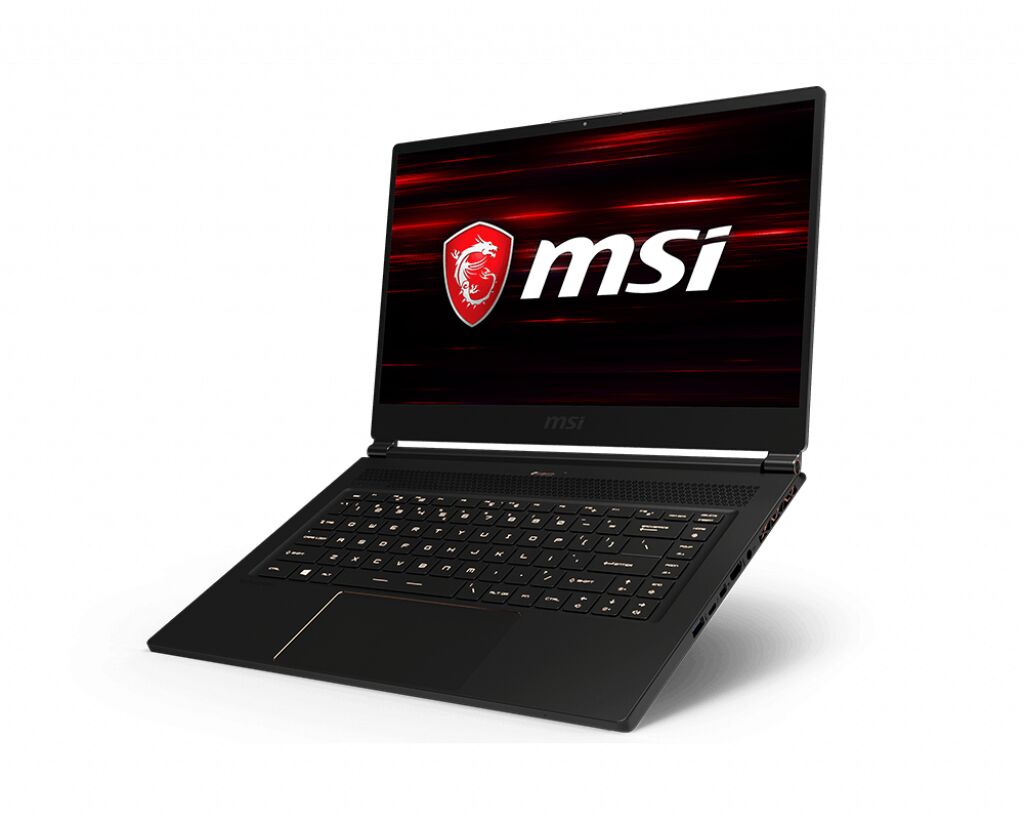
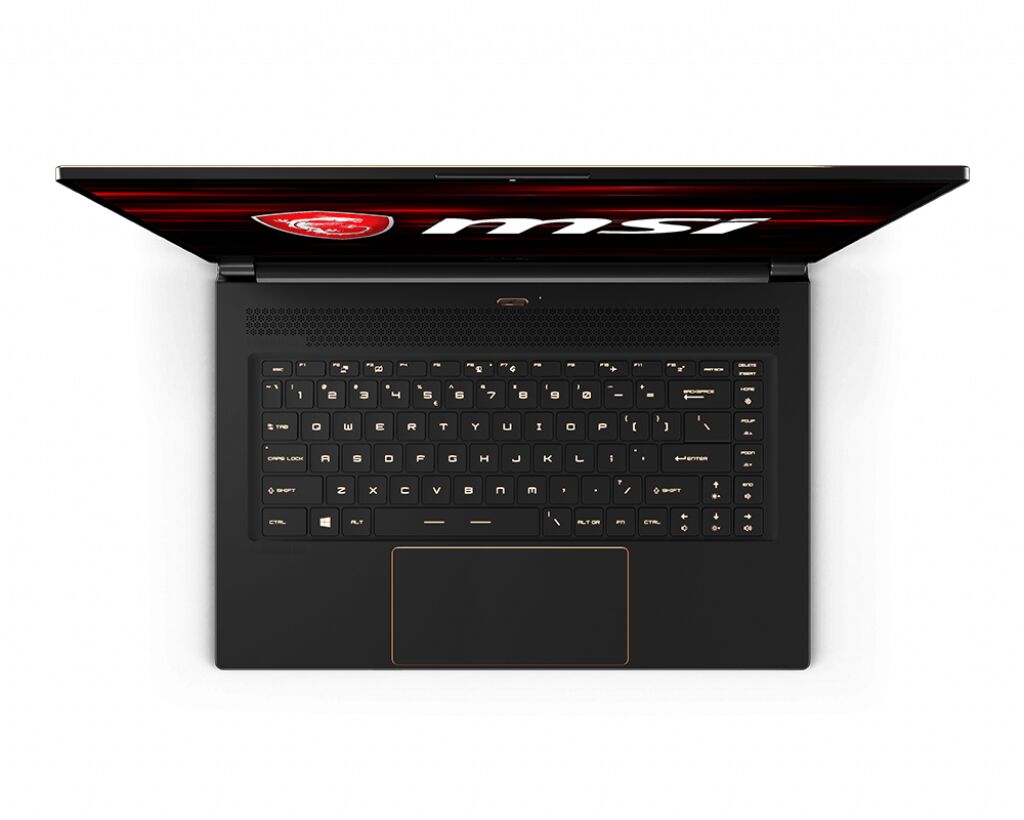

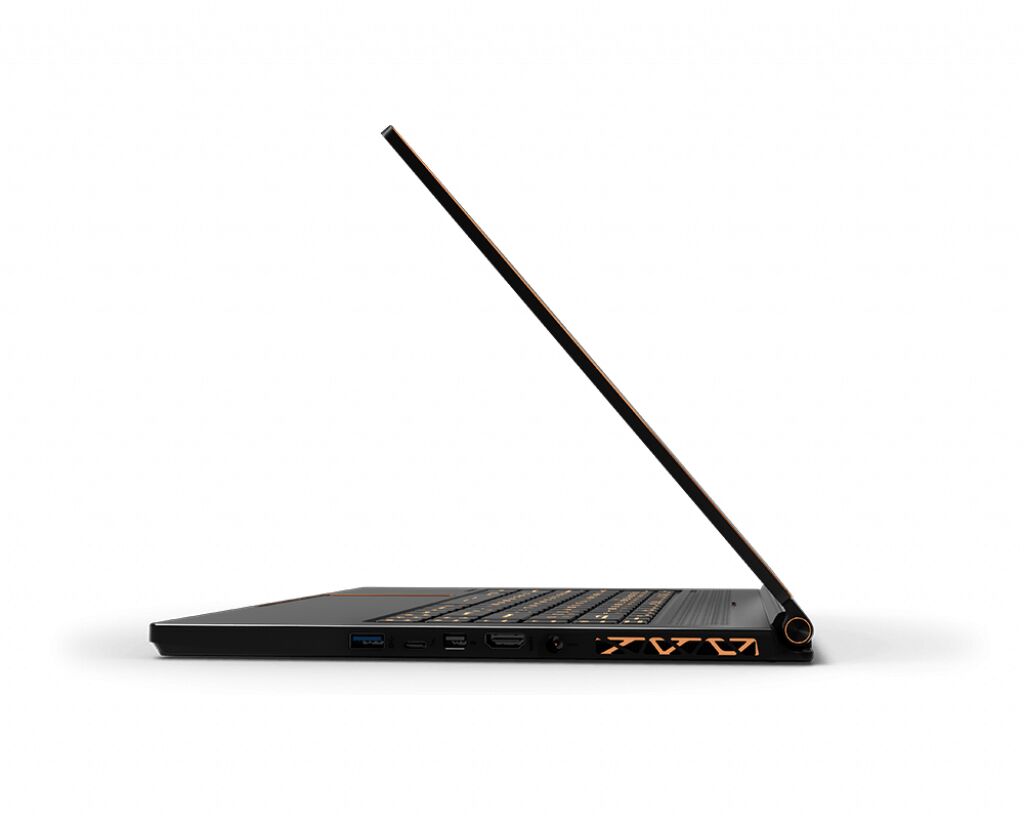
MSI GS65 9SE-678IT Stealth gaming laptop features DDR4-SDRAM memory upgrade specifications. The system contains two SO-DIMM slots supporting maximum RAM capacity of 64 GB total. Compatible memory modules operate at 2666 MHz frequency. Upgrade options allow installation of DDR4 SO-DIMM memory modules in both available slots to enhance system performance and multitasking capabilities.
Memory Upgrade Specifications
| Specification | Value |
|---|---|
| Memory slots | 2x SO-DIMM |
| Form factor | SO-DIMM |
| Memory type | DDR4-SDRAM |
| Frequency | 2666 MHz |
| Maximum RAM | 64 GB |
| Voltage | 1.2V |
| Number of pins | 260-pin |
| Interface | PC4 |
| PC Speed Rating | PC4-2666 (PC4-21328) |
| Bandwidth | 21.3 GB/s |
| Laptop Release date | 30 August 2019 |
Additional Notes
- The 2 SO-DIMM slots in the MSI GS65 9SE-678IT Stealth operate in dual-channel configuration, requiring matched pairs for optimal memory bandwidth performance. Asymmetrical installations will reduce effective throughput by approximately 25 percent.
- DDR4-2666 MHz specification indicates this system predates widespread DDR4-3200 adoption. Faster aftermarket modules (3200 MHz or higher) will operate at downclocked 2666 MHz speeds due to BIOS/controller limitation, negating performance gains from higher-rated sticks.
- 64 GB maximum capacity ceiling constrains workload scaling. Single 32 GB SO-DIMMs exist but command significant cost premiums; dual 32 GB modules remain the practical upgrade path for reaching the upper limit.
- SO-DIMM form factor requires disassembly of the chassis base panel for memory access. Unlike desktop machines, this procedure involves removing fasteners and potentially lifting the motherboard retention brackets, extending installation time beyond 10 minutes.
- Existing memory frequency leaves no headroom for stable overclocking adjustments. Pushing DDR4 above native specifications on this platform typically produces instability rather than marginal gains.
- Replacement modules must carry SO-DIMM mechanical compliance and DDR4 electrical standards, but mixing brands between slots carries risk of undetected incompatibility until heavy load conditions trigger errors or system crashes.