MSI Gaming GS65 9SF-1477IT Stealth RAM upgrade specifications
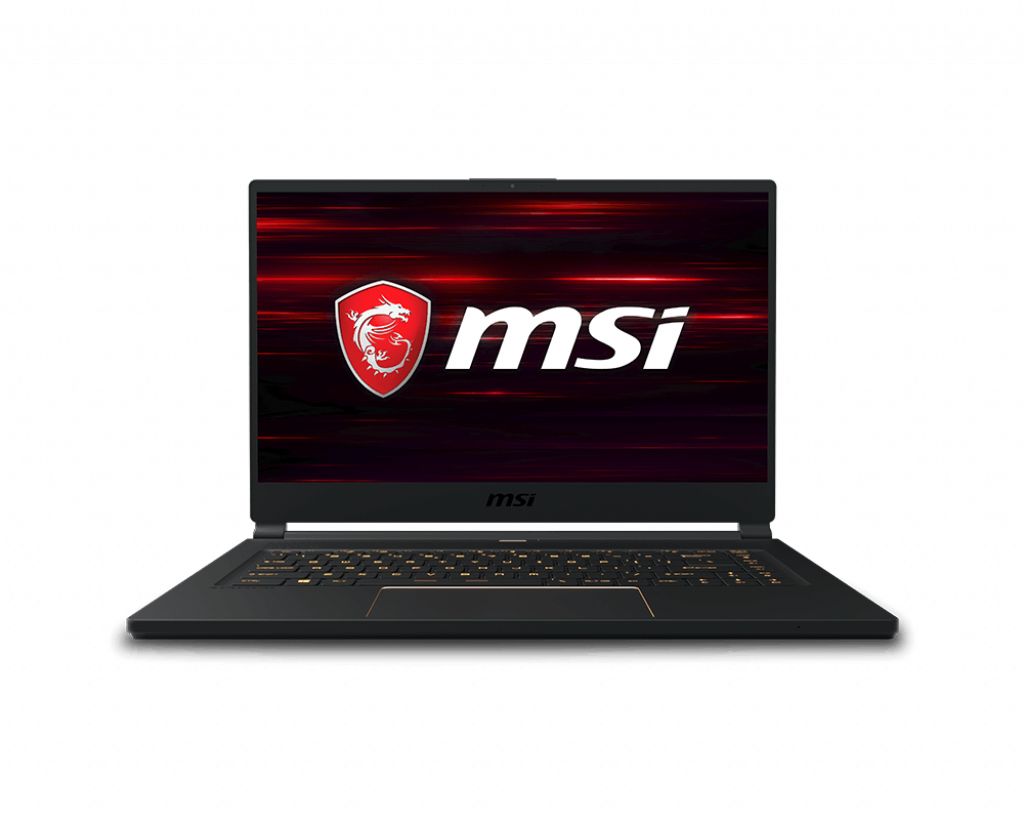
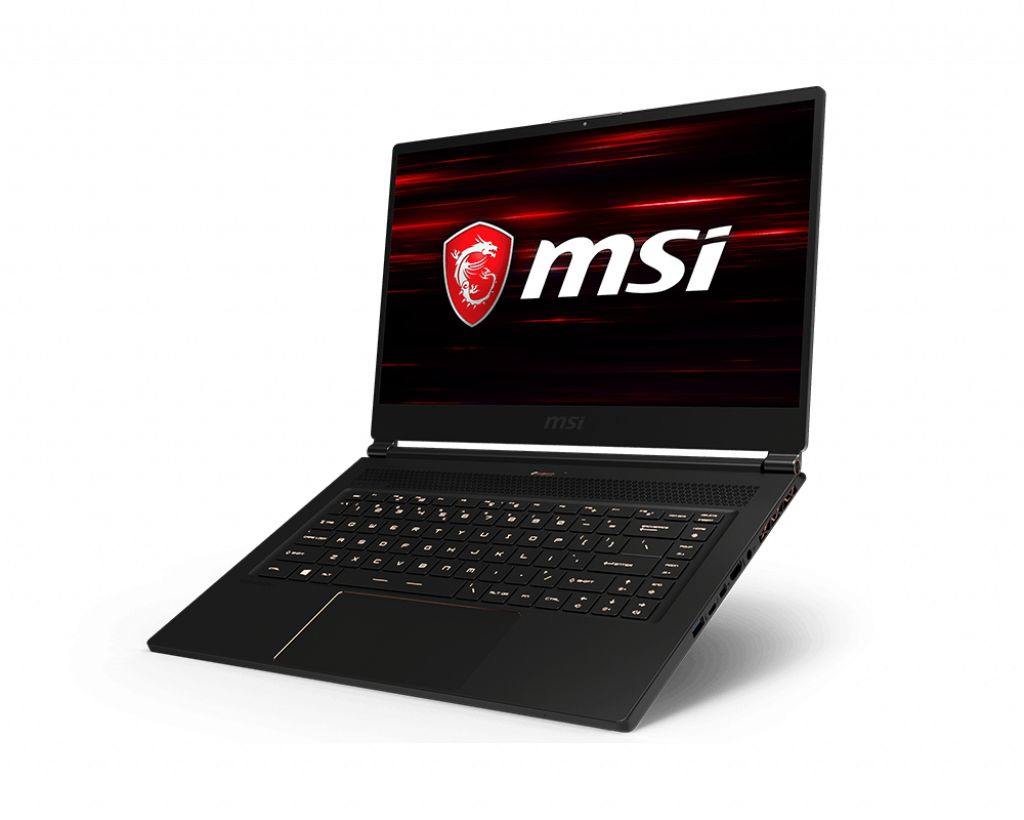
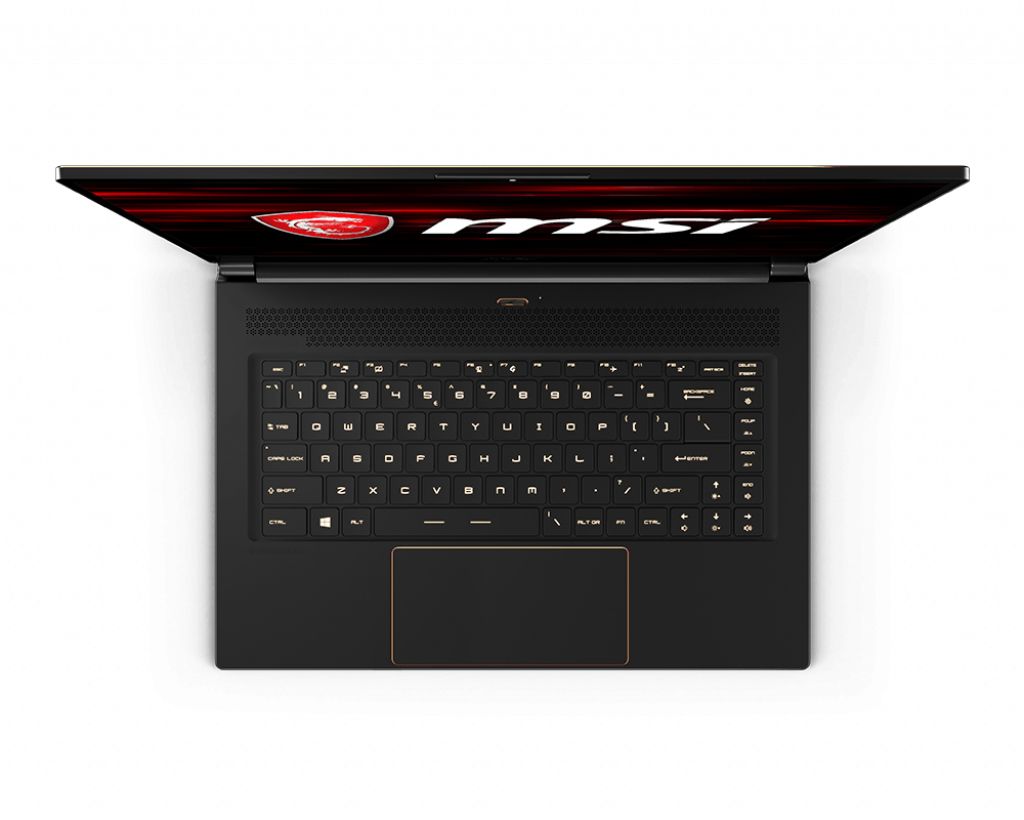
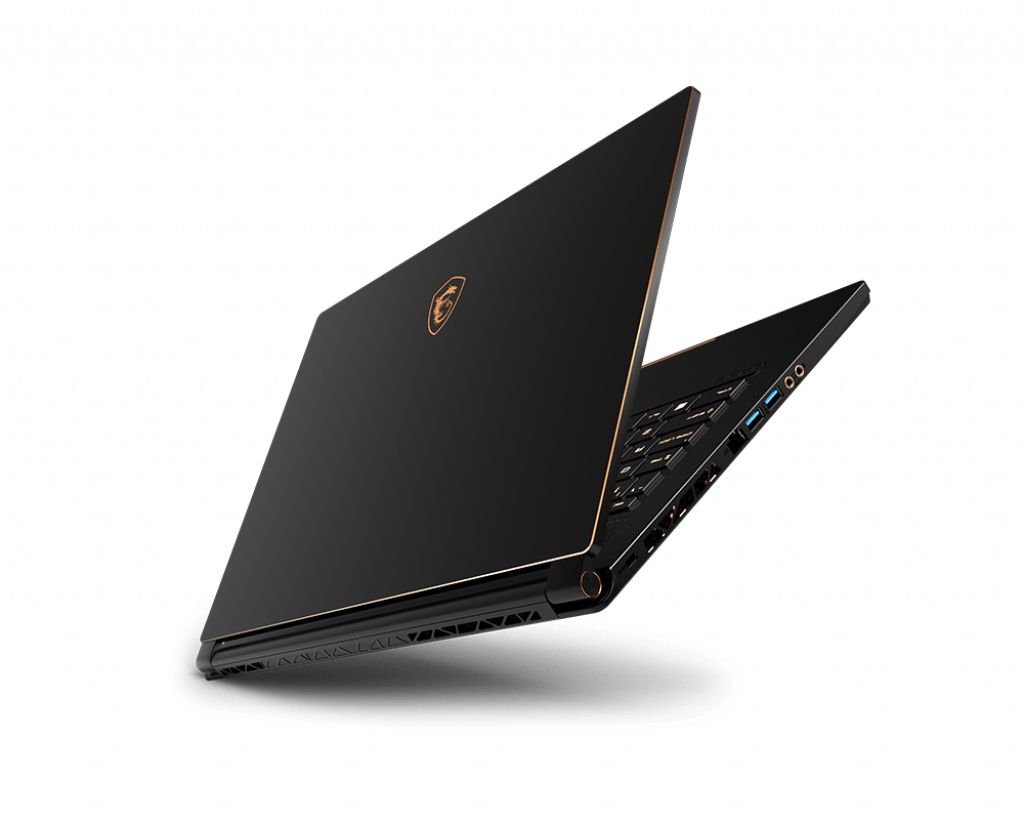
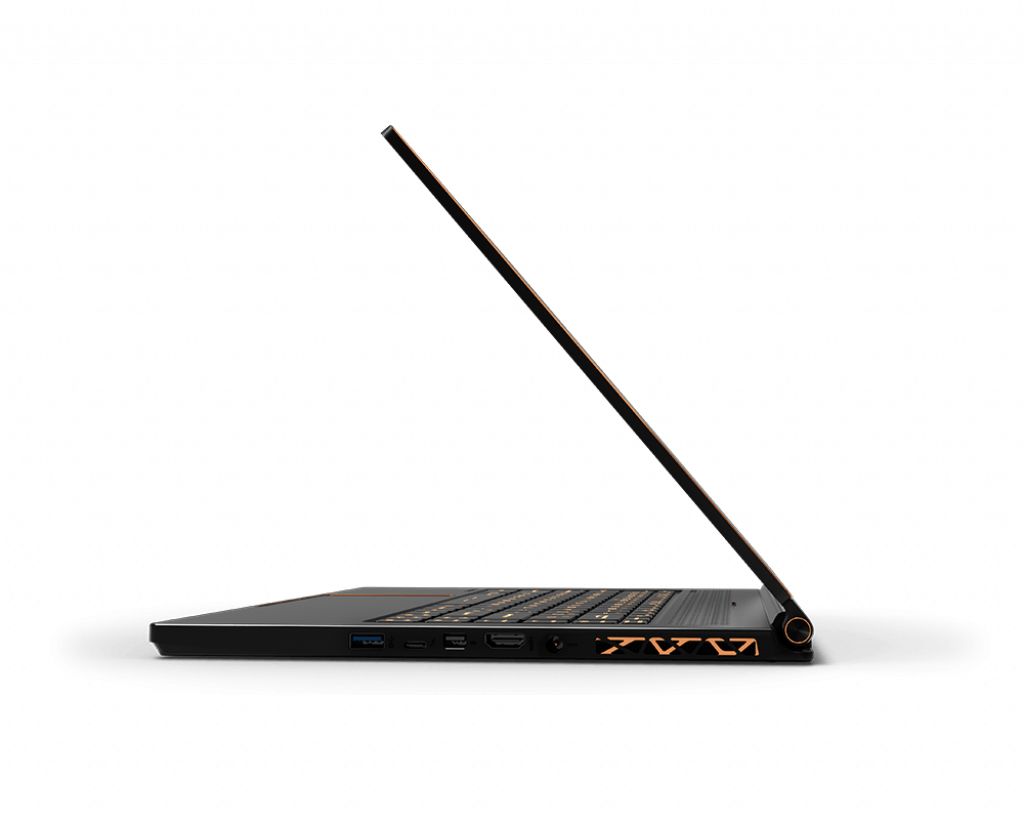
The MSI GS65 9SF-1477IT Stealth gaming laptop features DDR4-SDRAM memory upgrade specifications with two SO-DIMM slots supporting maximum capacity of 64 GB total RAM. Compatible memory modules operate at 2666 MHz frequency and utilize SO-DIMM form factor. Upgrade configurations allow installation of DDR4 memory modules in both available slots to enhance system performance and multitasking capabilities for gaming and professional applications.
Memory Upgrade Specifications
| Specification | Value |
|---|---|
| Memory slots | 2x SO-DIMM |
| Form factor | SO-DIMM |
| Memory type | DDR4-SDRAM |
| Frequency | 2666 MHz |
| Maximum RAM | 64 GB |
| Voltage | 1.2V |
| Number of pins | 260-pin |
| Interface | PC4 |
| PC Speed Rating | PC4-2666 (PC4-21328) |
| Bandwidth | 21.3 GB/s |
| Laptop Release date | 04 October 2019 |
Additional Notes
- The MSI GS65 9SF-1477IT Stealth supports DDR4-2666 MHz, which operates 200-800 MHz below current DDR4 standards. Aftermarket modules rated for 3000-3200 MHz will function but will downclock to 2666 MHz, eliminating performance gains from higher-frequency purchases.
- SO-DIMM slots occupy space directly beneath the keyboard assembly on this gaming ultrabook. Access requires full palm-rest removal and potential displacement of thermal management components, extending upgrade time significantly compared to standard notebook designs.
- The 64 GB maximum capacity represents the SO-DIMM form factor ceiling, not BIOS-imposed limitations. Dual 32 GB modules satisfy this threshold but remain scarce in retail channels, resulting in extended lead times or premium pricing versus standard 16 GB configurations.
- Single-channel operation occurs if both SO-DIMM slots remain unfilled. A 32 GB module in 1 slot delivers only half the memory bandwidth of 2x16 GB in dual-channel mode, creating a performance penalty during multithreaded workloads despite identical capacity.
- DDR4-2666 MHz paired with 9th-generation Intel mobile processors creates no bandwidth bottleneck for this specification. The memory bus saturates efficiently with gaming and productivity workloads, making frequency upgrades cost-ineffective.
- Warranty coverage remains intact when substituting OEM modules with third-party SO-DIMM sticks meeting identical electrical and thermal specifications. Mixing memory brands or capacities within the same system produces no known compatibility issues on this platform.