MSI Gaming GS65 9SE-674CZ Stealth RAM upgrade specifications
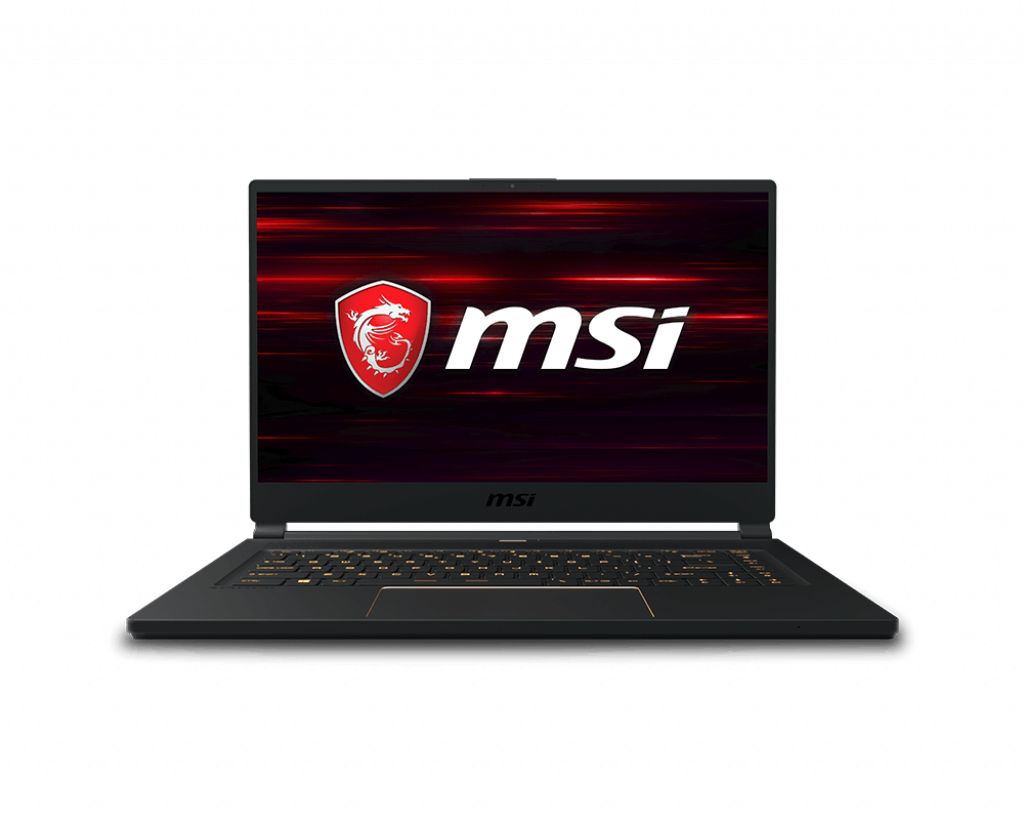
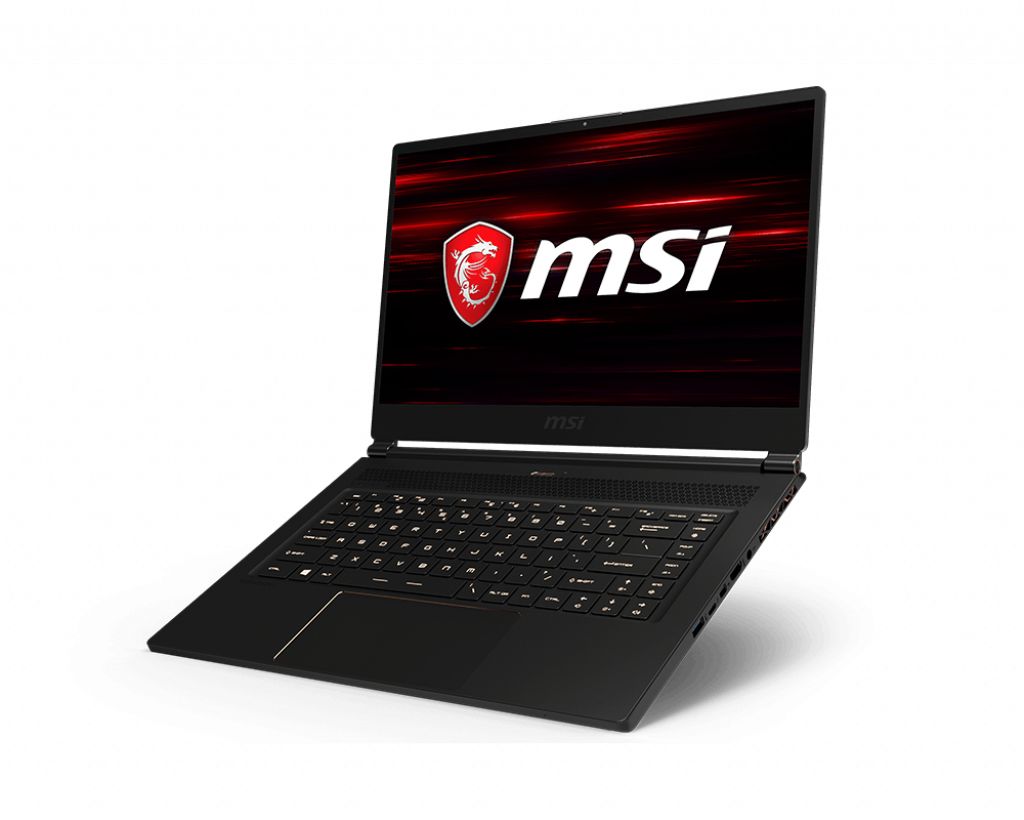


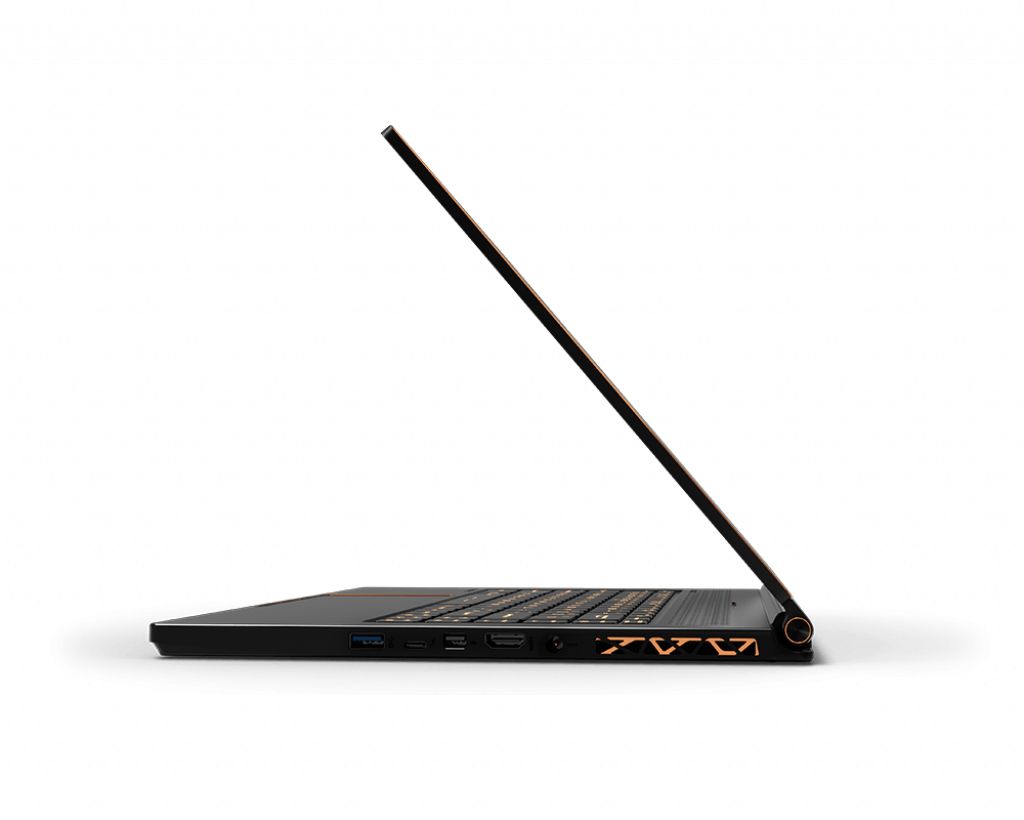
MSI GS65 9SE-674CZ Stealth gaming laptop memory upgrade specifications include DDR4-SDRAM compatible modules in SO-DIMM form factor. The system features two memory slots supporting maximum RAM capacity of 64 GB total. Compatible upgrades operate at 2666 MHz frequency. Current specifications and upgrade options enable users to expand memory capacity for enhanced multitasking and performance optimization on the GS series gaming platform.
Memory Upgrade Specifications
| Specification | Value |
|---|---|
| Memory slots | 2x SO-DIMM |
| Form factor | SO-DIMM |
| Memory type | DDR4-SDRAM |
| Frequency | 2666 MHz |
| Maximum RAM | 64 GB |
| Voltage | 1.2V |
| Number of pins | 260-pin |
| Interface | PC4 |
| PC Speed Rating | PC4-2666 (PC4-21328) |
| Bandwidth | 21.3 GB/s |
| Laptop Release date | 25 May 2019 |
Additional Notes
- The MSI GS65 9SE-674CZ Stealth supports DDR4 modules up to 2666 MHz, meaning faster modules rated at 2933 MHz or 3200 MHz will downclock to match the system's maximum supported frequency.
- Both SO-DIMM slots must be populated with matched pairs to enable dual-channel mode, which effectively doubles memory bandwidth from the CPU to RAM compared to single-channel operation.
- Installing a single 32 GB module leaves one slot unused, resulting in single-channel operation and approximately 50% reduction in memory throughput for bandwidth-intensive tasks like video rendering or large dataset processing.
- The 64 GB maximum capacity requires 2 modules of 32 GB each, as this is the only configuration that fills both slots while reaching the ceiling.
- DDR4 SO-DIMM modules physically differ from desktop DIMM modules in pin count and length, making desktop RAM incompatible regardless of specifications.
- Mixing modules with different capacities or speeds across the 2 slots may force the system to run all RAM at the speed of the slowest module or disable dual-channel mode entirely.
- Non-standard voltage modules like DDR4L operating at 1.2V instead of the standard 1.2V for DDR4 may cause POST failures or system instability if the motherboard lacks voltage regulation flexibility.
- Accessing the SO-DIMM slots typically requires removing the bottom panel, which may void warranty seals depending on regional warranty terms and manufacturer policies.
- The 2666 MHz native frequency operates on JEDEC standard timings, meaning XMP-profiled modules designed for higher frequencies offer no performance advantage beyond the 2666 MHz cap.
- ECC SO-DIMM modules are incompatible with this gaming-oriented platform, as consumer mobile chipsets lack the memory controller logic to utilize error-correcting code functionality.