MSI Gaming GS65 9SF-428NL Stealth RAM upgrade specifications
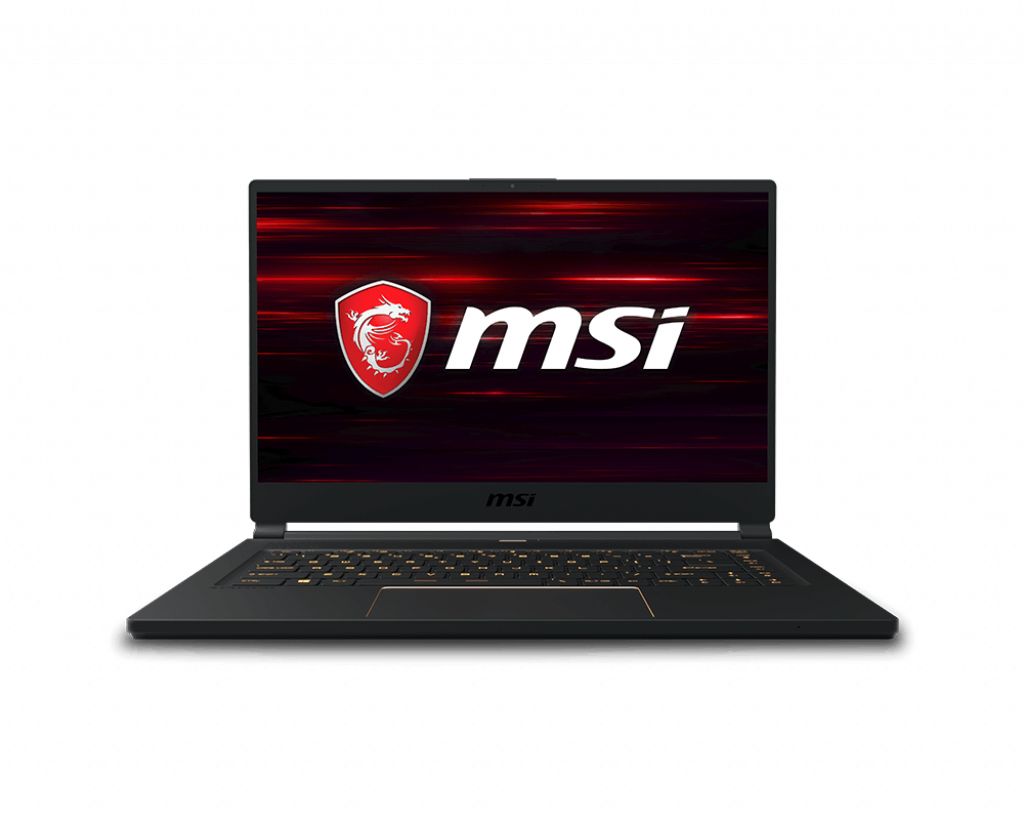
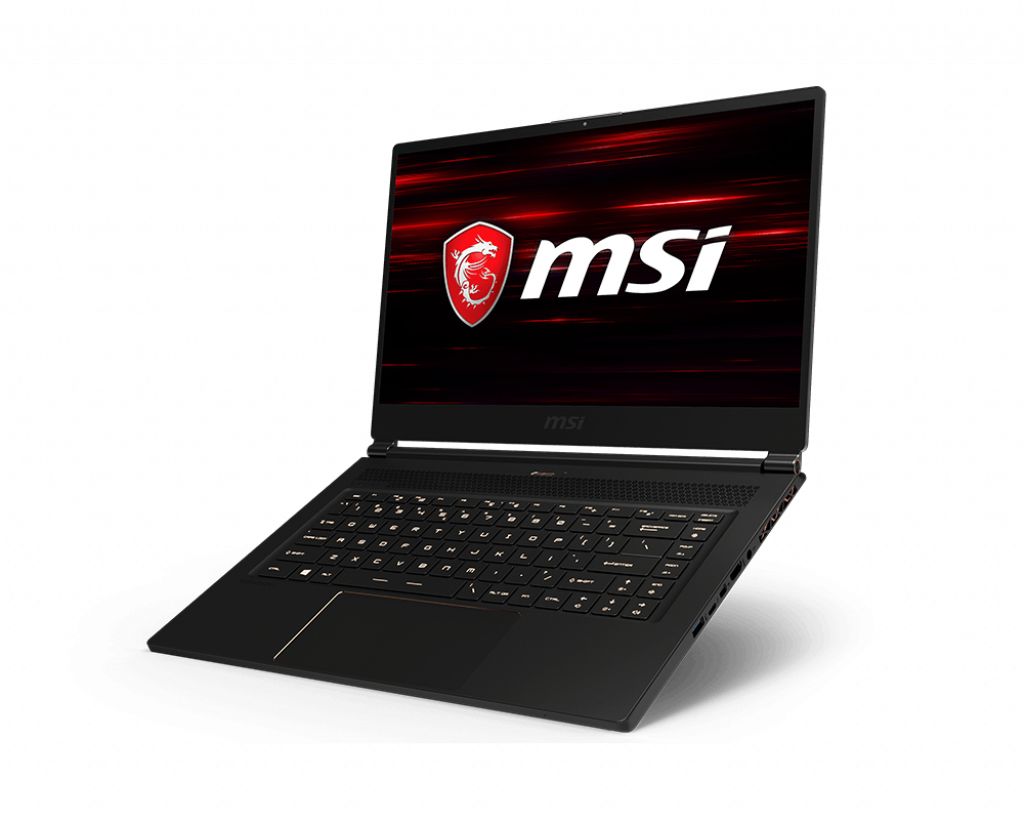
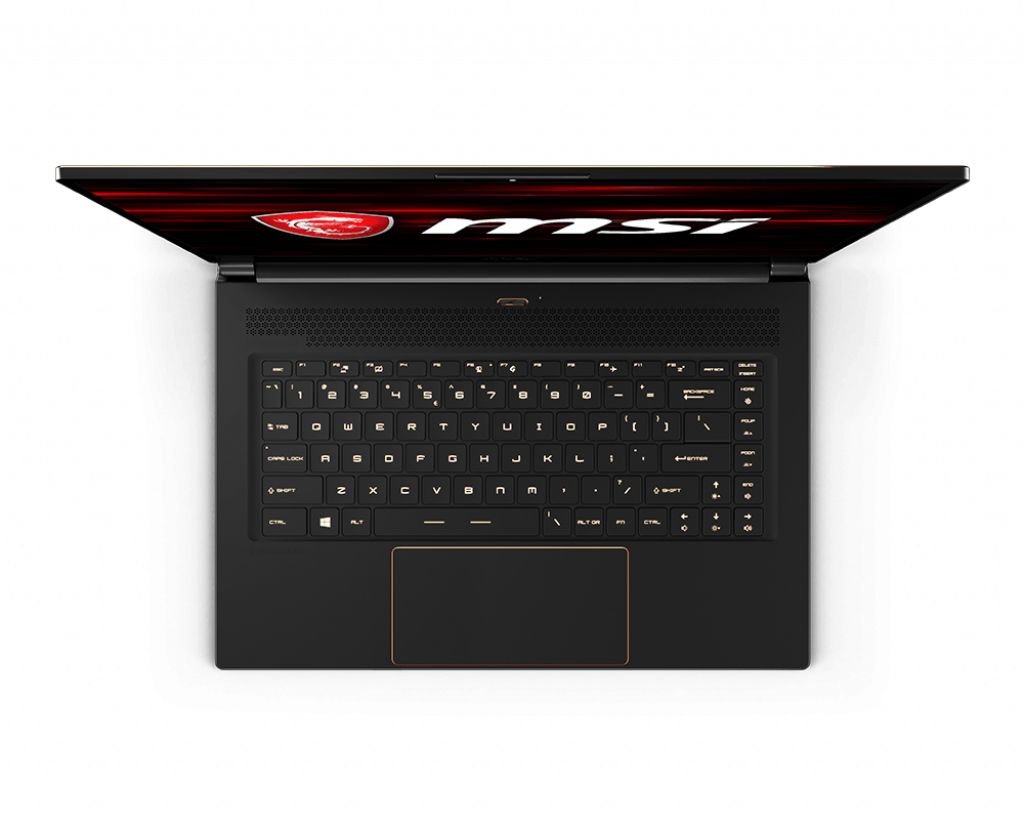

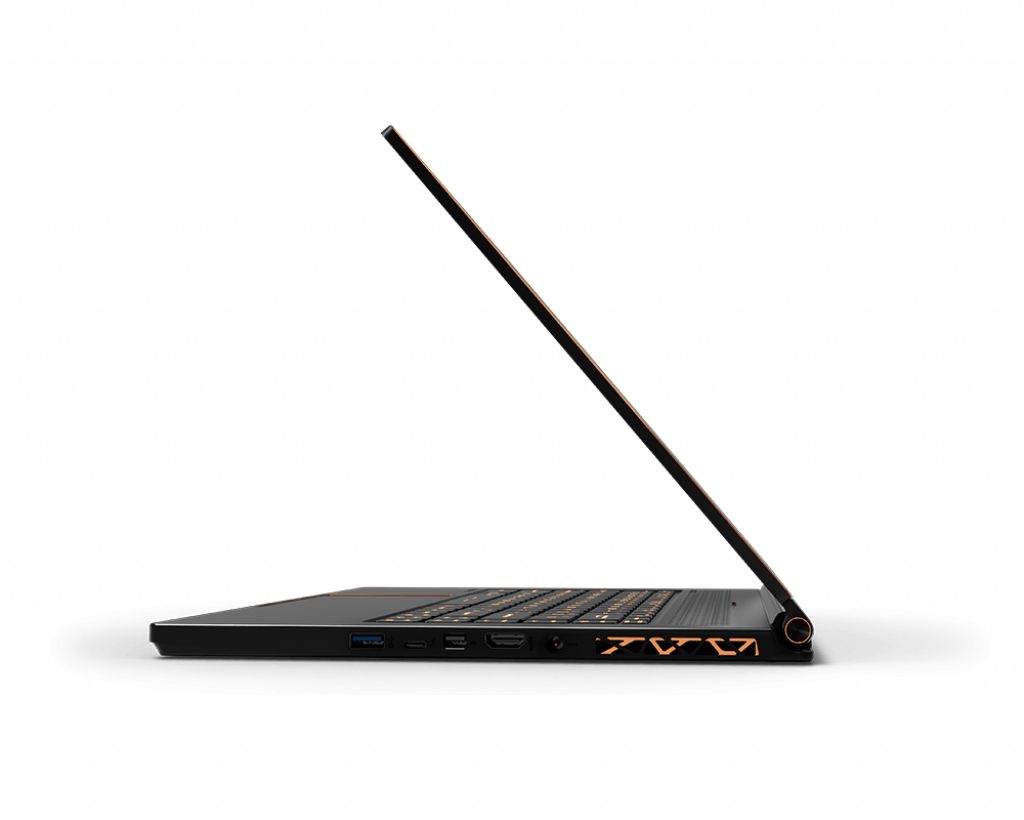
The MSI GS65 9SF-428NL Stealth gaming laptop features DDR4-SDRAM memory specifications compatible with 2x SO-DIMM upgrade slots. Maximum RAM capacity reaches 64 GB, with standard frequency at 2666 MHz. The GS series supports SO-DIMM form factor memory modules for expandable storage configurations. Upgrade specifications indicate compatibility with DDR4 memory technology, enabling enhanced multitasking and performance capabilities for the MSI Gaming GS65 model line.
Memory Upgrade Specifications
| Specification | Value |
|---|---|
| Memory slots | 2x SO-DIMM |
| Form factor | SO-DIMM |
| Memory type | DDR4-SDRAM |
| Frequency | 2666 MHz |
| Maximum RAM | 64 GB |
| Voltage | 1.2V |
| Number of pins | 260-pin |
| Interface | PC4 |
| PC Speed Rating | PC4-2666 (PC4-21328) |
| Bandwidth | 21.3 GB/s |
| Laptop Release date | 03 May 2019 |
Additional Notes
- The MSI GS65 9SF-428NL Stealth utilizes a flipped motherboard design which requires complete removal of the mainboard from the chassis to access the SO-DIMM slots for physical installation.
- System stability depends on matching the 2666 MHz frequency across both slots to prevent the BIOS from downclocking the memory to a lower common denominator speed.
- The 2 slot configuration necessitates the replacement of existing modules rather than the addition of new ones to reach the 64 GB threshold.
- Dual channel bandwidth is only achieved when 2 identical capacity modules are installed, whereas a single module or mismatched capacities will force the system into single channel or flex mode.
- Thermal management constraints within the thin chassis profile favor modules with standard voltage requirements to avoid additional heat generation near the CPU and GPU heat pipes.
- Latency timings should be verified against the factory specifications as the motherboard firmware may not support manual XMP profile adjustments for aftermarket high performance kits.
- Component height is restricted by the narrow gap between the motherboard and the keyboard deck, making modules with thick integrated heat spreaders incompatible with the physical space.