MSI Gaming GS65 9SF-438AU Stealth RAM upgrade specifications
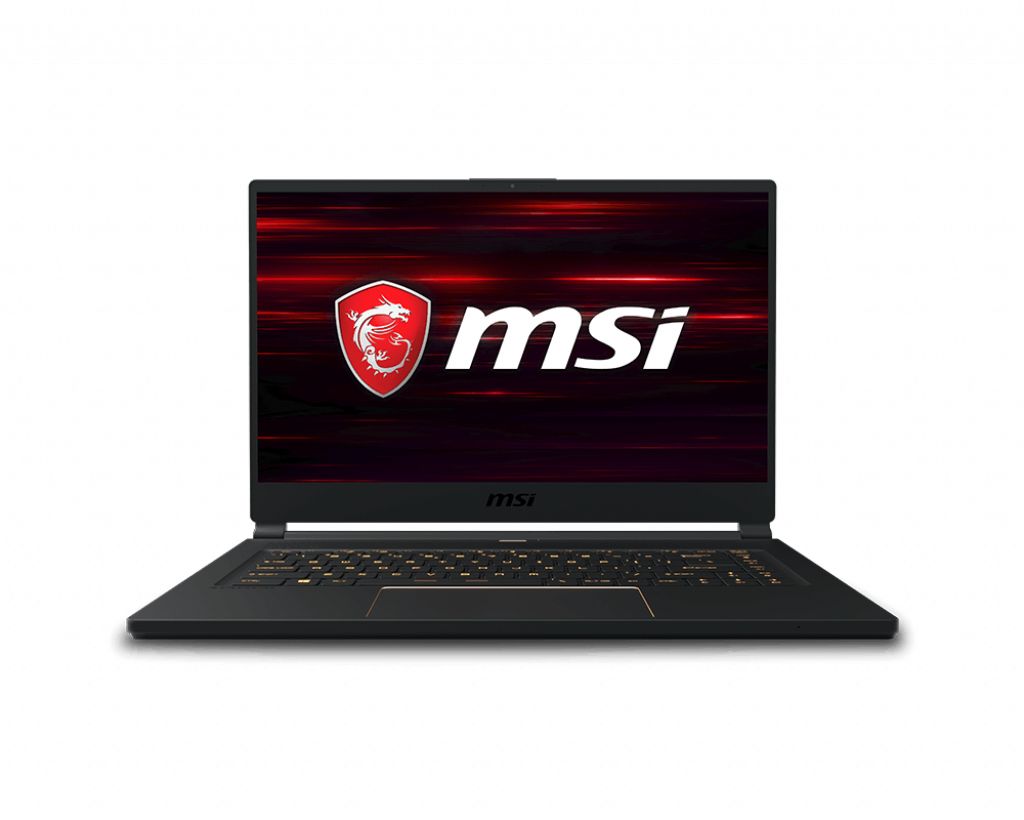
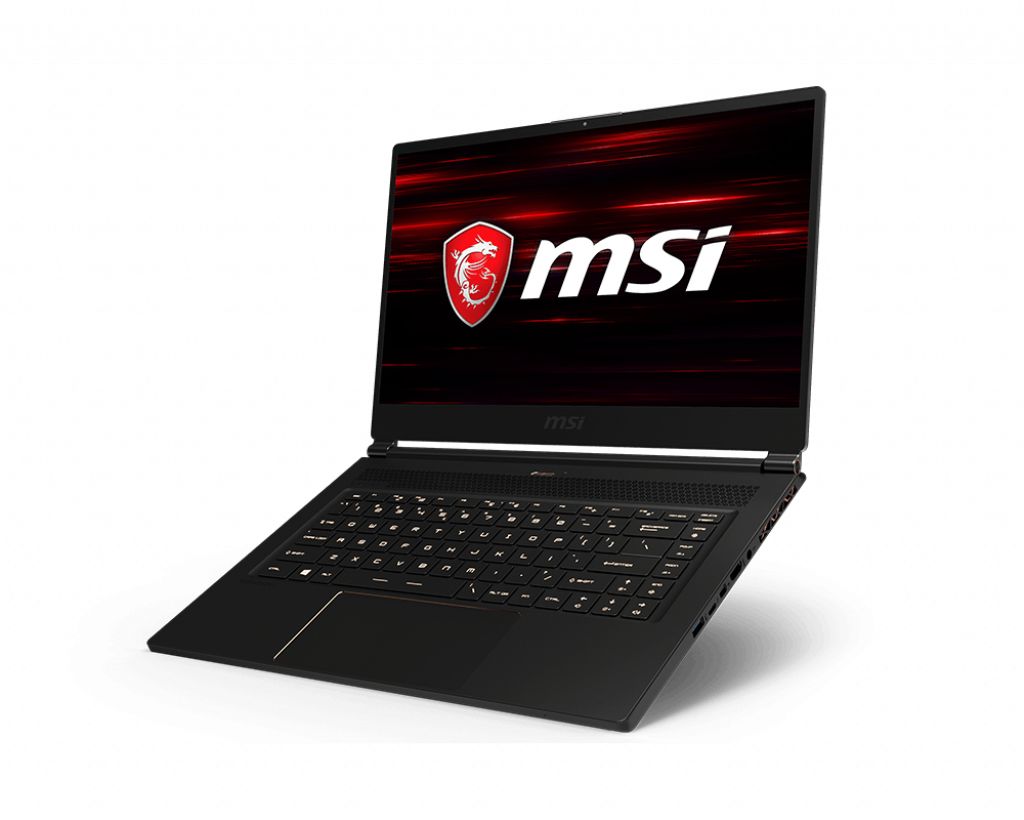

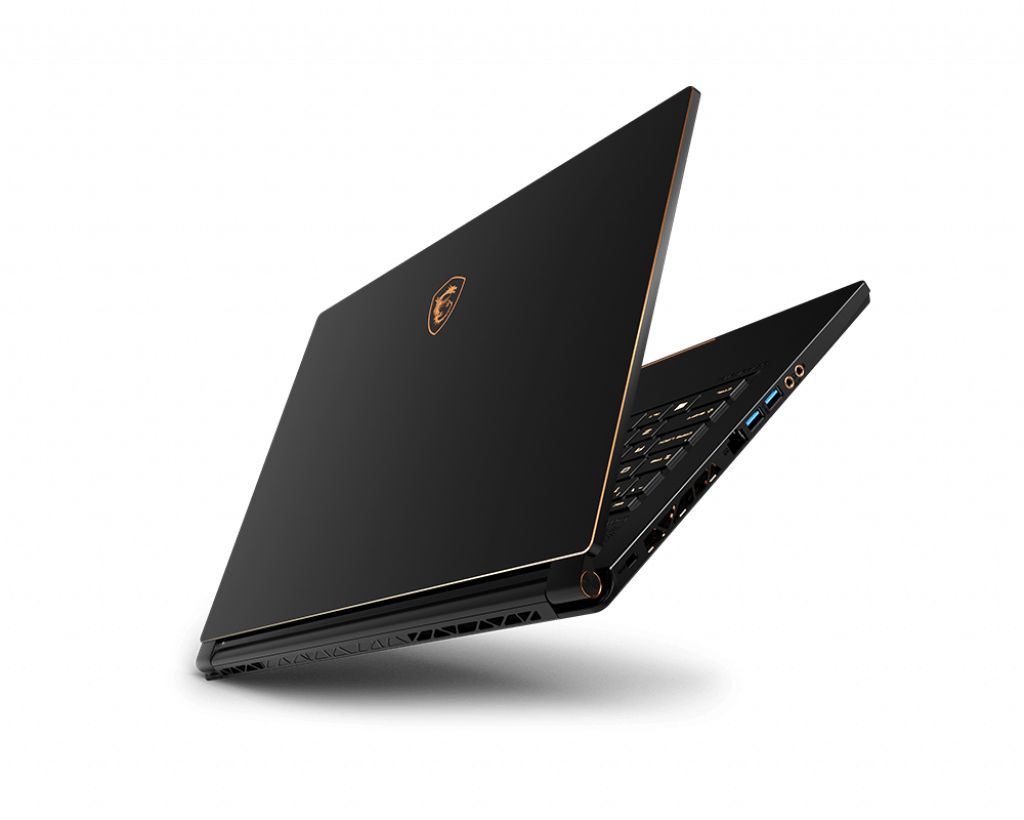
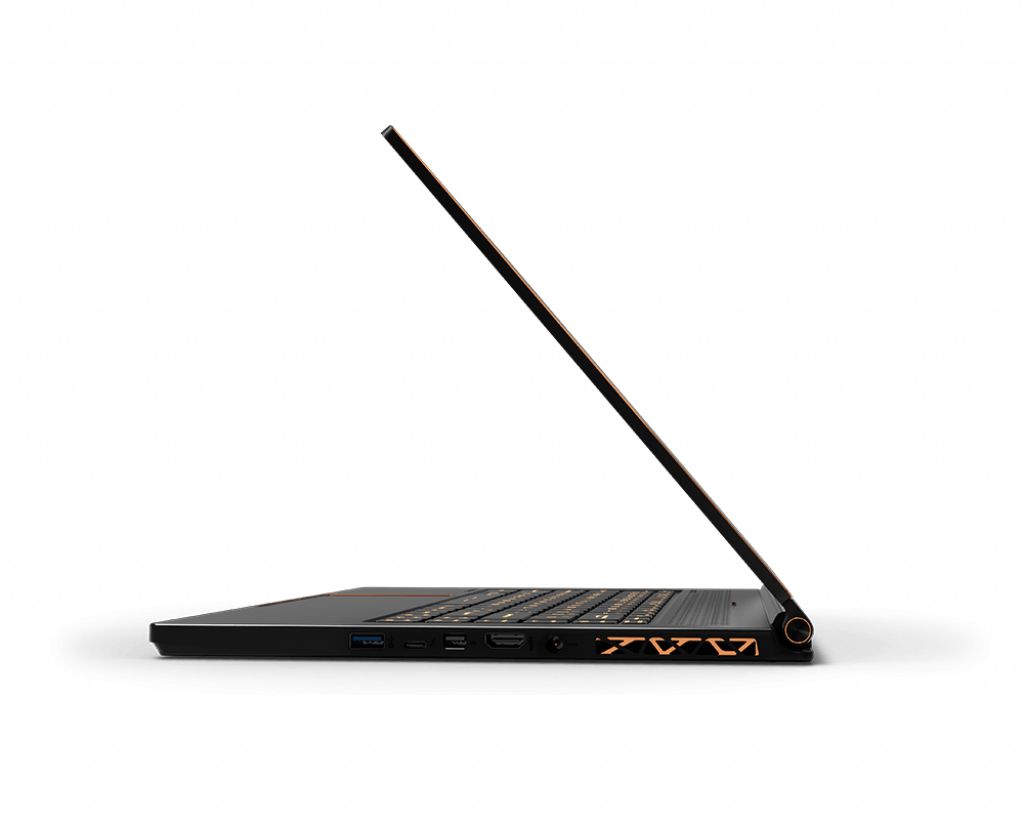
The MSI GS65 9SF-438AU Stealth gaming laptop supports DDR4-SDRAM memory upgrades across two SO-DIMM slots. Maximum memory capacity reaches 64 GB total. The MSI Gaming GS series accommodates SO-DIMM form factor modules operating at 2666 MHz frequency. RAM upgrade specifications for the GS65 9SF-438AU Stealth model enable expansion from factory configuration to 64 GB compatible memory maximum. Upgrade slots utilize standard SO-DIMM DDR4 specifications, allowing compatible memory module installation for increased system performance and multitasking capacity.
Memory Upgrade Specifications
| Specification | Value |
|---|---|
| Memory slots | 2x SO-DIMM |
| Form factor | SO-DIMM |
| Memory type | DDR4-SDRAM |
| Frequency | 2666 MHz |
| Maximum RAM | 64 GB |
| Voltage | 1.2V |
| Number of pins | 260-pin |
| Interface | PC4 |
| PC Speed Rating | PC4-2666 (PC4-21328) |
| Bandwidth | 21.3 GB/s |
| Laptop Release date | 02 May 2019 |
Additional Notes
- The MSI GS65 9SF-438AU Stealth supports dual-channel memory architecture, enabling simultaneous data access across both slots for doubled theoretical bandwidth compared to single-channel configurations.
- Installation requires standard SO-DIMM modules rather than full-size DIMMs, as the compact gaming form factor necessitates the smaller 67.6 mm module length versus 133.35 mm desktop variants.
- The 2666 MHz frequency specification indicates JEDEC standard DDR4-2666 timing requirements, typically operating at CL19 latency unless manually configured to XMP profiles if supported by the chipset.
- Mixing modules with different speeds will force all installed memory to operate at the lowest common frequency, potentially underutilizing faster rated modules.
- The 64 GB maximum capacity requires population with 2x 32 GB modules, which must be specifically validated as compatible since not all 32 GB SO-DIMM configurations work with 9th generation mobile platforms.
- Non-matching module capacities between slots will still enable dual-channel mode only up to twice the smaller module's capacity, with remaining capacity reverting to slower single-channel operation.
- Access to memory slots typically requires complete bottom panel removal and potential thermal shield detachment, which may affect thermal paste condition on nearby heat pipes during service.
- Voltage specifications default to 1.2V for standard DDR4 operation, though some high-performance modules rated for 1.35V may not initialize properly without BIOS support for non-JEDEC profiles.
- The platform's memory controller resides within the CPU package, meaning actual supported frequencies and capacities depend on the specific processor model installed rather than chipset limitations alone.
- Rank configuration affects compatibility, as some dual-rank 16 GB modules may exhibit stability issues when populating both slots compared to single-rank alternatives at identical capacities.